
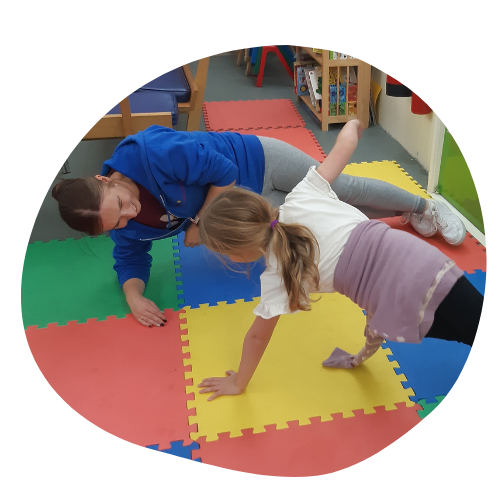
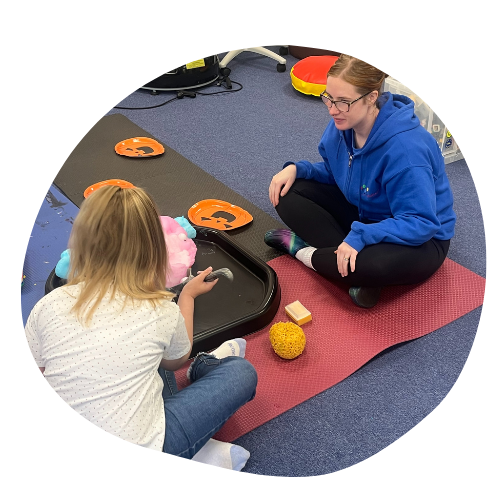
At SensationALL, co-regulation is at the very core of what we do. By modelling calm and regulated behaviour, children feel safe and can settle more easily.
What is it?
Co-regulation means using ourselves as the primary tool for regulation: our breath, body language, tone of voice, and rhythm help to shape a child’s nervous system. A dysregulated adult cannot regulate a dysregulated child so maintaining a calm presence provides the foundation for all the techniques we use here at SensationALL.
Why it matters:
Neurologically, children borrow regulation from adults before they can self-regulate. By reading our state, children can pick up on feelings of safety through our tone of voice, facial expression, and posture.
This means that when we slow down, they slow down; when we brighten and become more animated, they become more alert!
Why it works:
- Co-regulation has to come before self-regulation. Children borrow our from nervous system. When we are grounded, their bodies detect safety and begin to settle.
- Feelings of safety. Warm eye contact at the child’s level, soft facial muscles, and a friendly voice signal “safe” to the brain, which eases the flight or fight response.
- Emotional mirroring. As humans we unconsciously copy postures, facial expressions, and rhythms. If an adult has a slow, steady rhythm a child will mirror this (heart rate, breath, movement).
- Sensory variation:
o Calming: using deep pressure techniques and predictable rhythm can help calm dysregulation.
o Alerting: using a bright and friendly voice, faster tempo and an upright posture can help children feel more alert - Naming sensations. We can use our words to bring awareness to sensations: “Your hands look tight; let’s soften them together”. This builds body awareness and helps young people understand they have a choice about how to feel.
- Building tolerance. Our calm presence widens a child’s capacity to feel big feelings without tipping over into shutdown or chaos.
What can we do as adults?
As adults, we can support children when they are dysregulated by thinking about our body, voice and actions.
Body
- Grounded stance (feet hip-width, weight through heels), relaxed shoulders, open
hands. - Get low (kneel/sit) to reduce visual threat and power distance.
- Breathe visibly: in through nose, longer out-breath (count 4 in / 6 out).
- Proximity: offer presence at an angle (not face-on). Always gain consent for touch.
- Predictable movement: slow, smooth, minimal sudden gestures
Voice
- Calming: low volume, lower pitch, slower pace, warm prosody, short phrases, longer
pauses. - Alerting: brighter tone, slightly increased pace, clear rhythm, upbeat prosody.
- Language: validate + guide (“You’re frustrated. I’m here. Let’s press hands
together… now two slow breaths.”)
Actions
- Model self-regulation out loud (“I’m slowing my breath… shoulders down… now I
can think.”) - Offer regulating choices (calm or alert) matched to need.
- Shape the environment: reduce visual/auditory load for calming; add rhythm/novelty for alerting.
Five steps to co-regulation!
Next time you want to help a child to regulate their behaviour, try using our 5-step system:
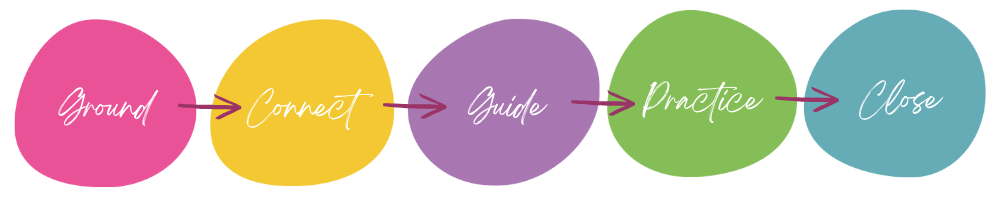
Ground (you and child): feet down • long exhale • soften jaw • slow hands
Connect: name + validate their feelings • be at their level • warm face/eyes
Guide: offer two choices (calm vs alert)
Practice: regulate together (you lead with rhythm)
Close: name the shift • return to task.
Co-regulation is a powerful tool. By role modelling a calm state we can help others feel calm and grounded too.
Keep up to date with the latest SensationALL Self-Regulation Strategies on our socials!
