
As parents and carers, we all want to help our children manage big feelings, sensory overload, and tricky behaviours in ways that build confidence and help them stay calm. When emotions run high it can be hard to know what to do in the moment.
This blog is focused on how you can prevent those stressful moments with proactive strategies and what reactive strategies to use when overwhelming situations are unavoidable.
(NB: while this has been written with children in mind, these strategies and methods are equally appropriate for all ages.)
The power of Proactive and Reactive strategies
Understanding the difference between the two and how they work together, can make daily life feel more peaceful for both you and your child.
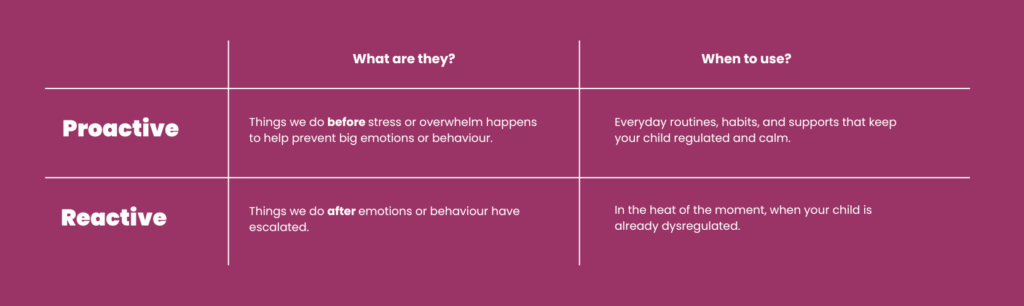
Think of it like weather planning…
- Proactive is checking the forecast, packing a raincoat, and planning a route to stay dry.
- Reactive is opening the umbrella when the rain starts.
Why both are important:
We need to have both types of strategies because life is calmer when we’re prepared but we can’t plan for every eventuality…
Proactive strategies help reduce stress on the nervous system. They give your child predictability, safety, and skills to manage their emotions before they feel overwhelmed.
Reactive strategies are essential when emotions are already high. They help calm the body and bring your child back to a state where they can think, learn, and connect again.
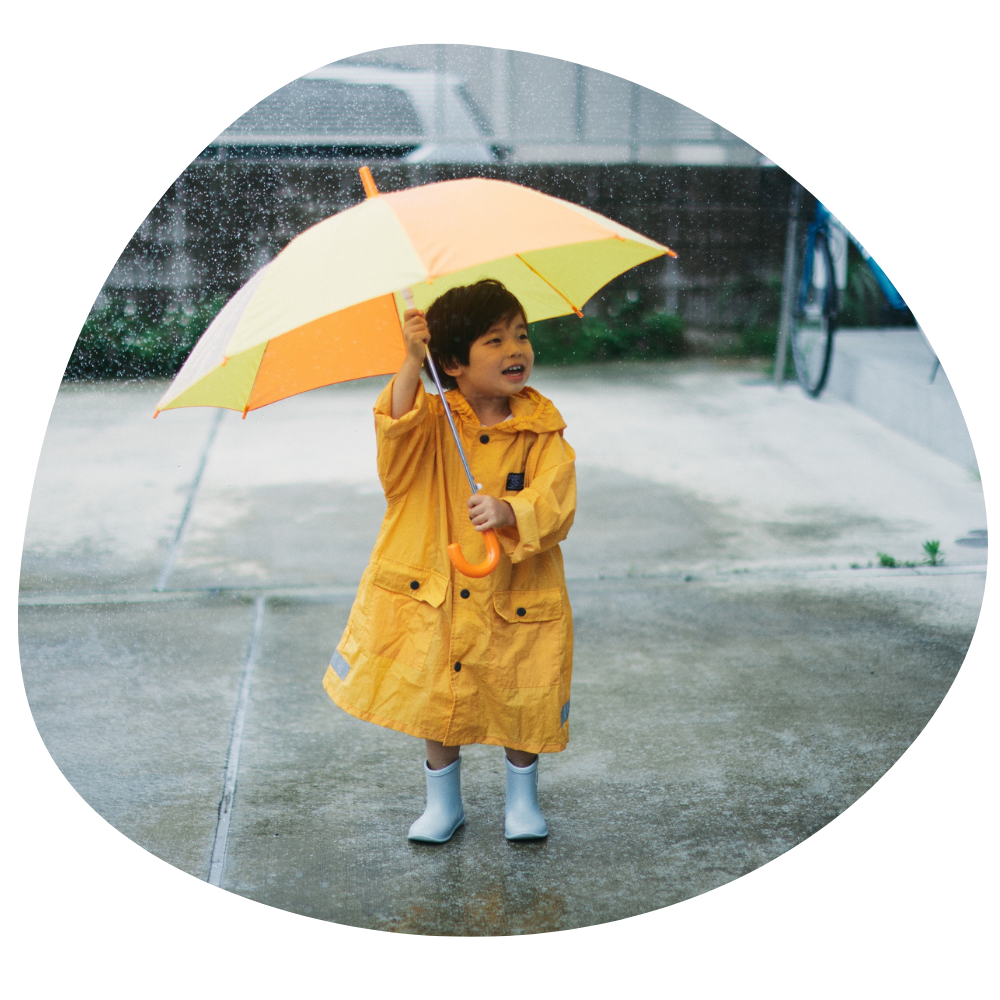
Using both together builds emotional intelligence, confidence, and self-regulation — key ingredients for thriving in daily life.
What’s happening in the brain…
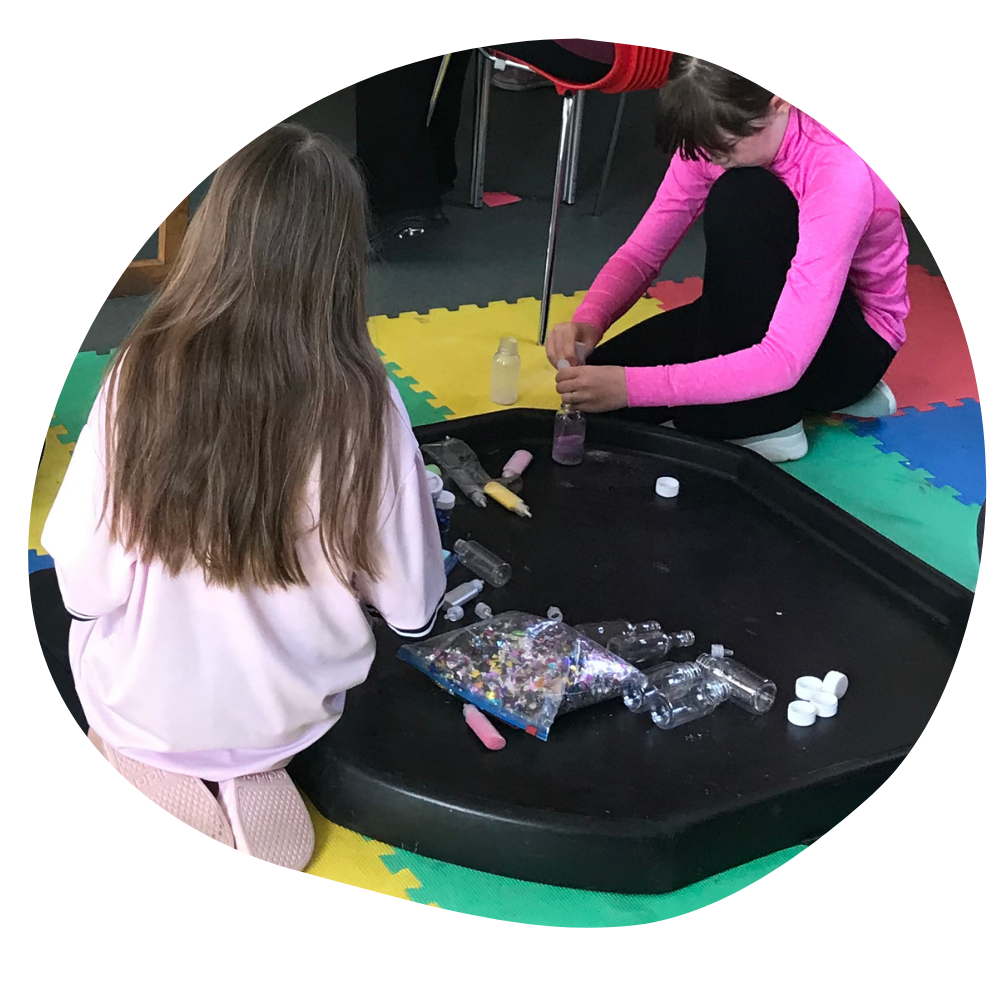
- Proactive strategies engage the “thinking brain” (the prefrontal cortex), teaching planning, reflection, and choice-making.
- Reactive strategies soothe the “feeling brain” (the amygdala and limbic system) when your child’s nervous system is in fight, flight, or freeze.
When we focus on proactive support, we reduce the frequency of fight or flight moments happening but when they do, they will be less severe or easier to recover from.
Using the strategies:
Proactive Strategies: Prevent Stress Before It Builds
These daily habits and routines can help children feel safe, calm, and in control.
1. Sensory-Friendly Environments
- Reduce noise and visual clutter
- Dim lights or use warm lamps
- Offer a calm corner or quiet space
- Keep routines predictable
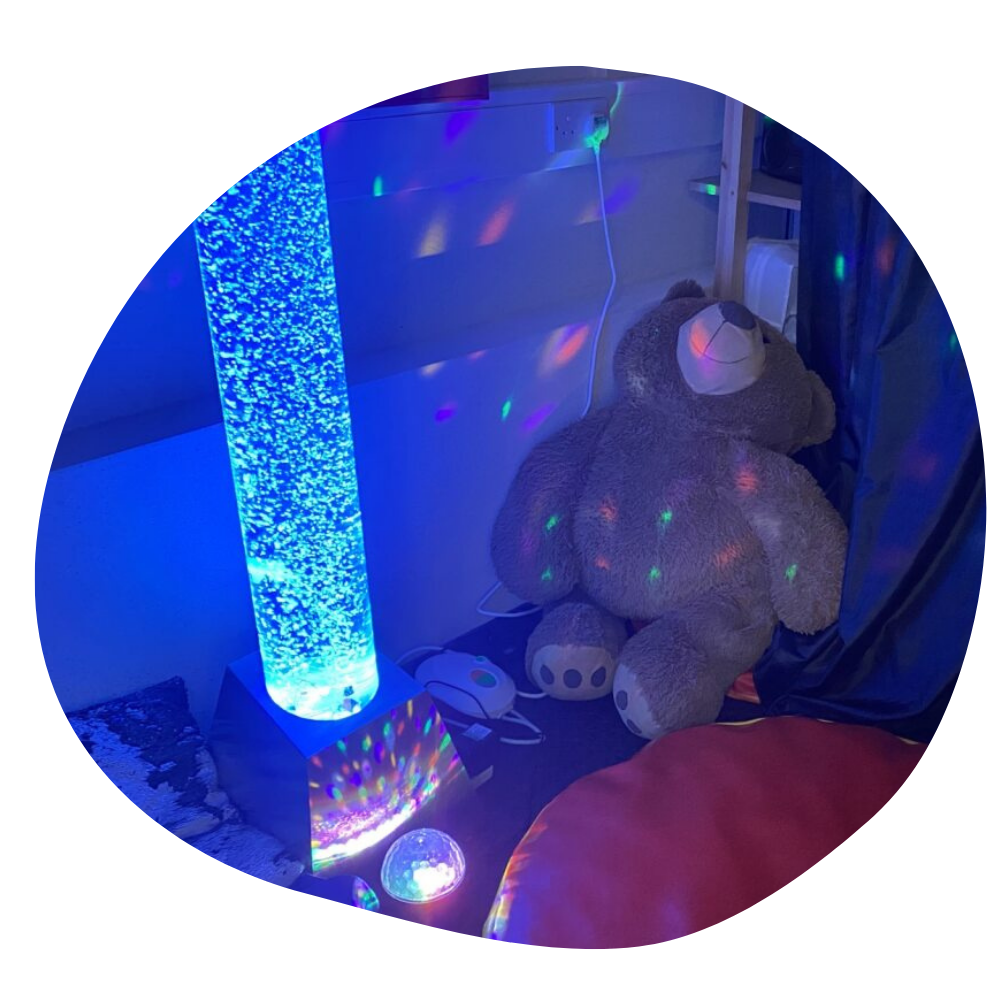
Example: A “cosy corner” with soft lighting, fidgets, and weighted blankets gives a child somewhere to retreat before they feel overwhelmed.
2. Self-Regulation Skills
Teach your child what helps them feel calm. This can include:
- Wall pushes or animal walks (heavy work)
- Breathing games or blowing bubbles
- Stretching or yoga poses
- Crunchy snacks or chewing (oral regulation)
- Visualization or story-based relaxation
Example: Practice “starfish breathing” together when you’re calm — trace your fingers and breathe in and out with each point.
3. Emotional Education
Help your child name what they feel:
- Use feelings charts or visuals
- Talk about emotions in stories or daily life
- Model naming your own feelings calmly
Example: “I’m feeling a bit frustrated, so I’m going to take a deep breath.” This teaches emotional language and coping by example.
4. Adult Modelling
Children learn regulation from our calm presence.
- Narrate what you’re doing to calm yourself
- Use a steady tone
- Keep routines consistent
Example: “Let’s pause together and take a breath. We can figure this out once we feel calm.”
Reactive Strategies: Support in the Moments
When your child is already upset or overwhelmed, the goal is calm and connection, not correction.
Try some or all of these:
- Moving to a quieter, low-stimulation space
- Using deep pressure (like a firm hug or weighted blanket)
- Offering a familiar comfort item or soothing activity
- Keeping language minimal — too many words can add stress
- Waiting patiently — give their nervous system time to settle
Example: If your child is melting down after school, dim the lights, sit nearby quietly, and let them rock or squeeze a fidget.
Once they’re calm, you can talk or problem-solve.

Keep up to date with the latest SensationALL Self-Regulation Strategies on our socials!
