
For neurodivergent children issues with toileting are very common. Their struggles may be because:
- They don’t notice the signals
- They notice too late
- Toilets are an overwhelming place
- Fear of the flushing noise or smells
- They have lower body awareness or sequencing
- Transitions are difficult for them anyway
So how do we support children and youngsters with toilet training and everyday use of the bathroom? Read on for our top tips on how to ease the experience…
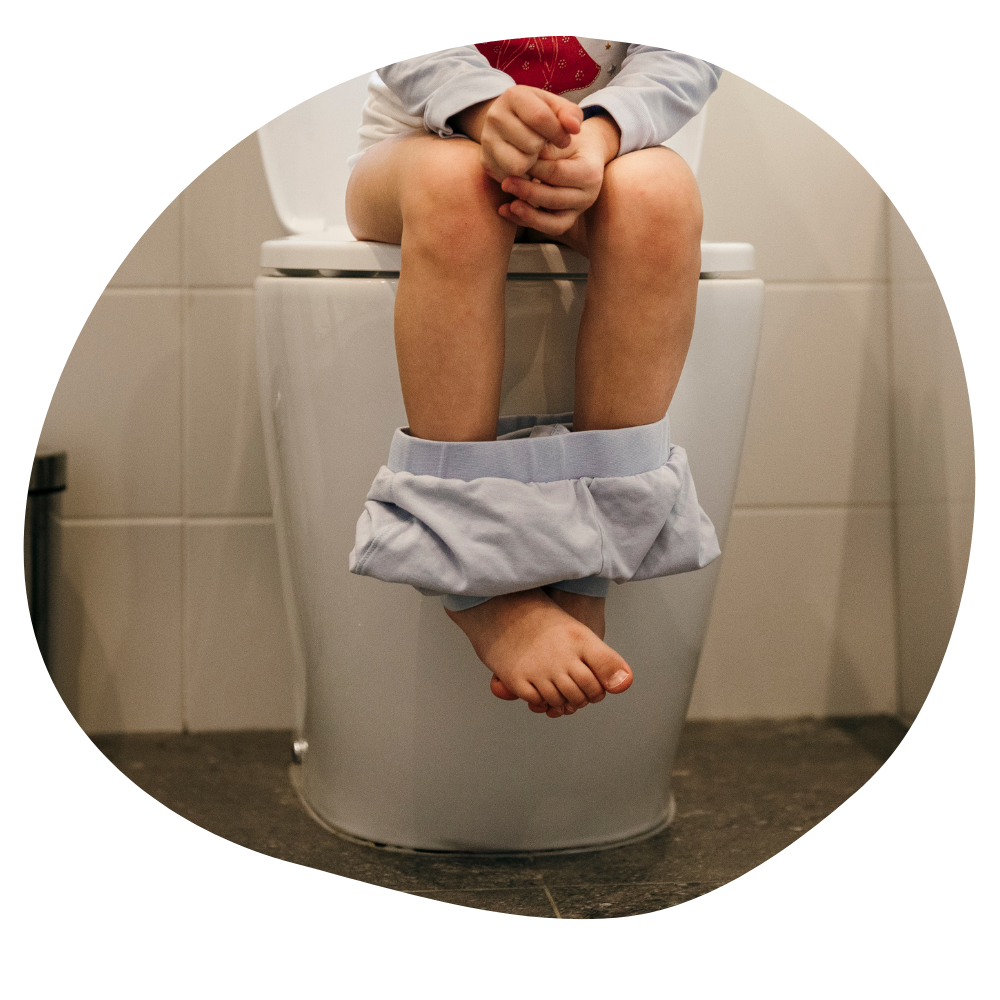
Reduce the pressure
Firstly, it is crucial that you support them gently, compassionately, and at a pace they are comfortable with to avoid stress, shame, pressure, or even trauma around their bodily functions.
Build predictable routines
Stick to the same routines and the same sequence of events because that equals safety.
- visit the bathroom at same times of day
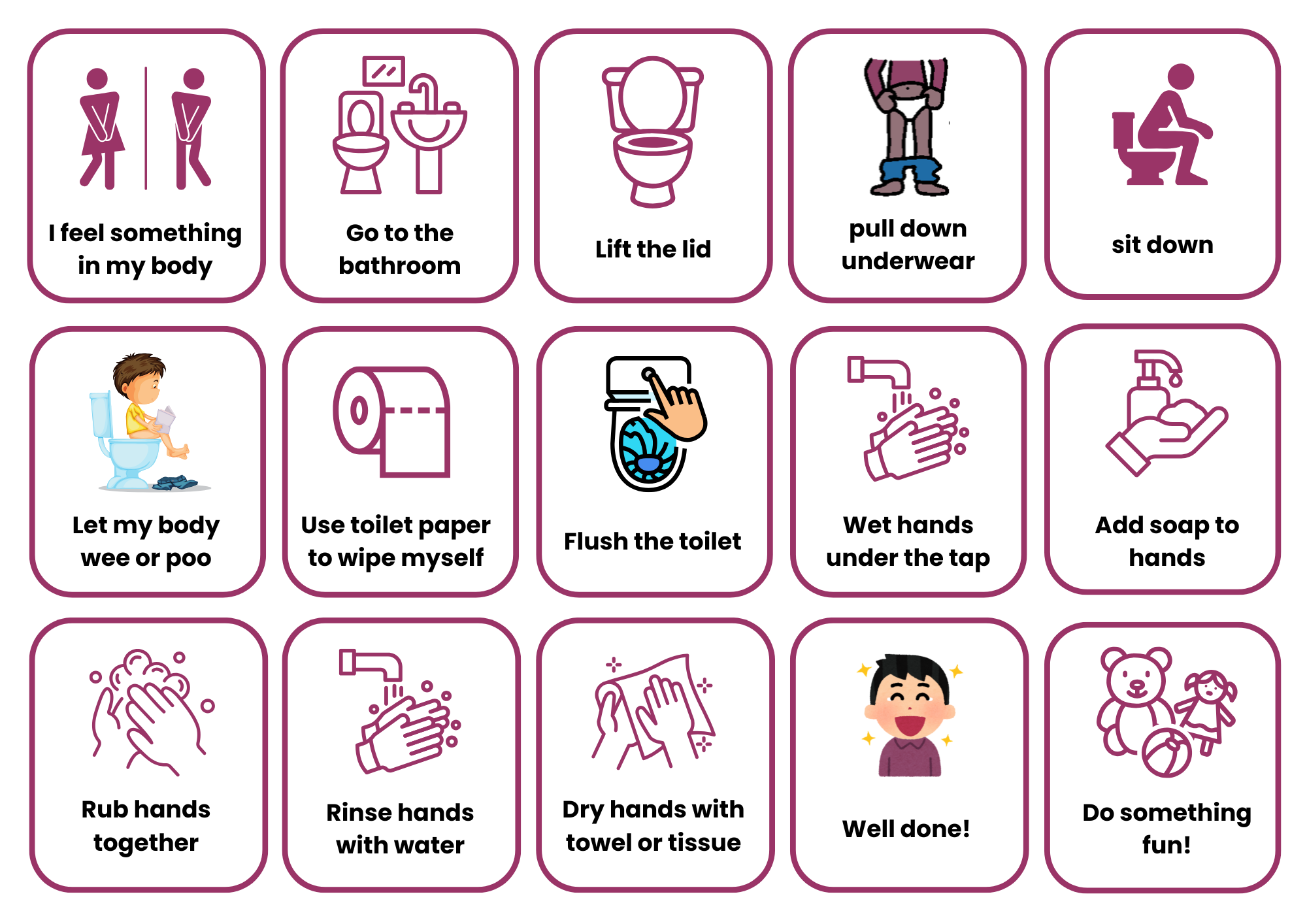
- follow the same steps before and after using the toilet
- use visual aids
- be consistent with wording and use of a calm voice
- provide the same tools (footstool, step, their favourite scent of hand soap etc.)
Visual sequences are particularly useful with children and adults who have limited verbal communication. You can download our printable visuals here:
Interoception – why it’s important
Using the toilet is a sensory experience involving the interoceptive system which is how your body notices and understands internal signals like hunger/thirst, temperature, pain and much more including the urge to need the toilet etc.
A lot of neurodivergent people don’t recognise these signals until they are urgent. While others may feel them too intensely so the slightest feeling is overwhelming which the try to suppress.

So remember to be patient when accidents happen as often it isn’t a deliberate action to withhold or avoid the bathroom but they may find it difficult to interpret, understand or trust what their body is telling them.
How to help:
- Talk about the feelings “tight tummy”, “pressure” etc.
- Use visual scales for them to rate how they feel (1-5 or smiley/sad faces)
- Footstools are great for young children who feel unstable when sitting on the toilet with their legs dangling. Not to mention that bringing their knees up is better for toileting.
- Give choices – “flush before or after washing hands”, “dry hands with a material or a paper towel”.
- Avoid shame – no embarrassment, punishment or pressure. If they feel safe and supported they are more likely to have a positive experience.
- Celebrate the successes! Small wins are worth celebrating e.g. sitting on the toilet for only a few seconds, communicating discomfort, tolerating the bathroom environment etc.
Make the bathroom a good sensory place
The bathroom can be an overwhelming experience – lots of sounds (running water, flushing toilet, extractor fans etc.), cold surfaces, strong smells (good and bad!), bright lights etc. For a sensory sensitive nervous system, that can feel overwhelming, unsafe, or even painful. And when anxiety enters the body, the body often tightens making toileting even harder.
So shift from asking: ‘Why won’t this child use the toilet? to… what might be making toileting feel difficult, unsafe, overwhelming, or inaccessible?
- Change the toilet seat (e.g. soft child seats rather than cold plastic ones)
- Use bath mats or rugs on hard floors to soften the environment
- Avoid using extractor fans or electric hand dryers
- Change the light bulbs to reduce the brightness
- Choose hand wash they like
- Bring some toys or fidgets into the space
- Reframe the room as somewhere fun
Reassurance
When supporting someone with sensory sensitivities remember… if we can understand them a little better, we can avoid accidentally making them feel ashamed about their responses to their bodily functions.
Use reassuring language and a calm tone of voice because a regulated adult will co-regulate the child’s nervous system. When adults become anxious, rushed, frustrated, or overly focused on success, children often feel that pressure in their body.
And most importantly, remember progress does not need to be huge to be meaningful. Small, consistent, compassionate changes will create the biggest shifts over time.
Check out more top tips on a variety of topics here.
