Preparing for Back to School
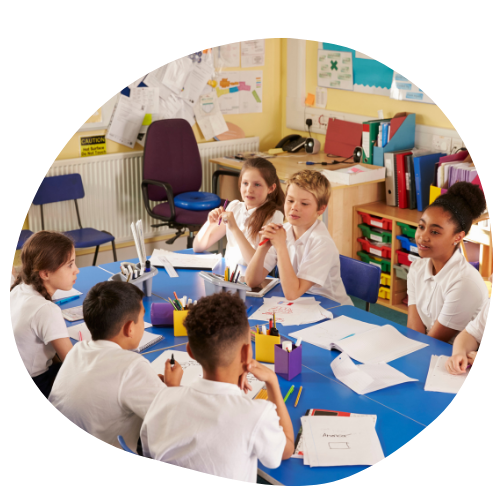
As the summer holidays come towards an end, inevitably we all start to think about the return back to school and the routine that comes with it. For many children, the transition between holidays and school can be really tricky and feel overwhelming.
Take a read below at our top tips for helping your child transition back to school.
Prep in advance!
You can start getting ready for the school routine before the summer holidays finish. There are lots of easy small things you can do that you can start now:
- Organise some playdates with school friends in advance of going back
- Adjust breakfast and lunch times to be similar to the school day
- Let children be involved in the back to school purchases – bags, uniform, shoes.
- Practice putting on school uniform and packing school bags
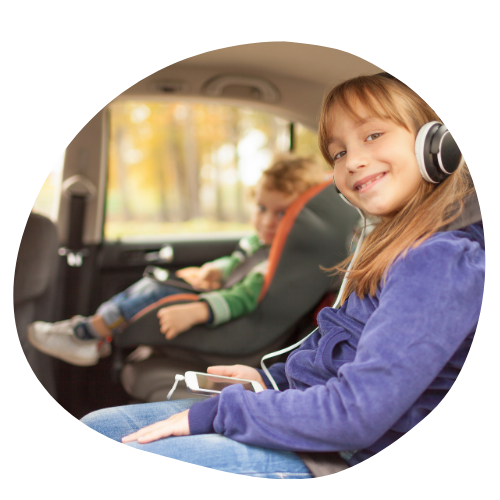
- Drive or walk past school the week before school starts to get familiar with the environment
- Help with sensory triggers: wash uniform and cut off any itchy labels in advance
- Make a visual timetable for your day/week. You can use our template!
Make a Social Story
A social story is a tool we use frequently at SensationALL to help explain social situations and to help with understanding expectations. You can create a social story to explain the back-to-school transition. There are lots of examples of these online. AI tools are another great way of creating these.

Managing After School
- Expect the after-school meltdown/shutdown: it’s not surprising that meltdowns/shutdowns are hugely common when children get home to their safe space. Planning for these can help you support your reaction
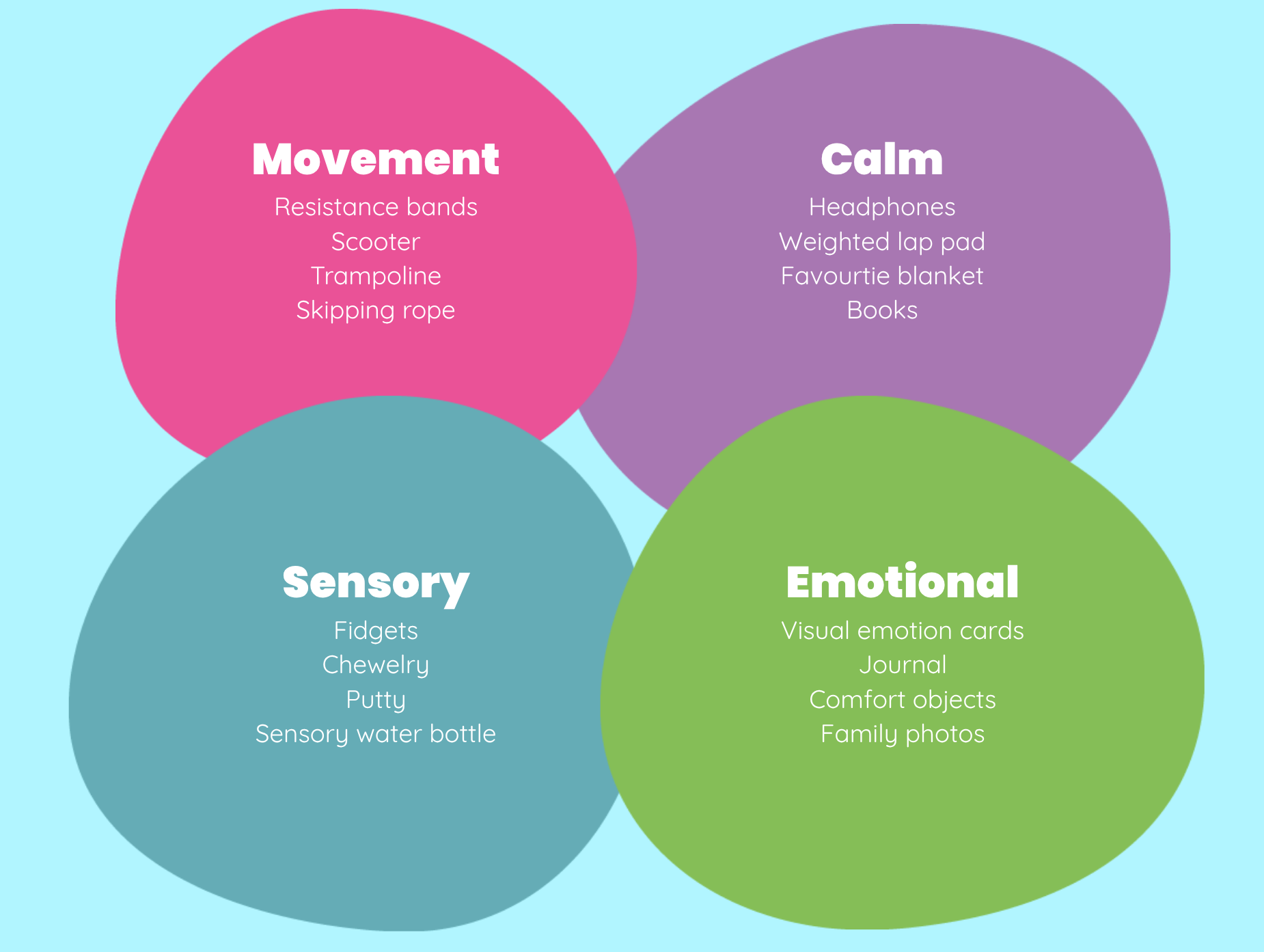
- Offer a quiet space: offering downtime, snacks or low-demand activities like fidgets or colouring before asking about their day can make for easier conversations later
- Keep your evenings simple: providing easy/accepted meals and reducing extra-curricular commitments for the first few weeks can make life easier for everyone
Working with school
- Ask school to send a picture of the new classroom and teacher in advance so your child can see where they are going and who they will meet
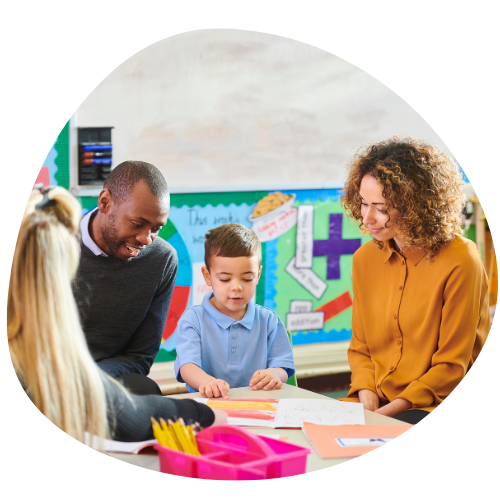
- Create a ‘School Passport’: this short document helps staff get to know your child’s likes/dislikes, triggers and worries. You can use our template.
Final thoughts
Transitioning back to school can be a tricky time for both children and parents, but there are steps you can take to make the transition more predictable. Taking the pressure off any unnecessary elements of your week can allow for the extra downtime needed until everyone settles back into the routine. Positive affirmations go along way – both for you and your child!
Check out more top tips on a variety of topics here.