Self-regulation spotlight – Finished Box

It’s our aim to share fantastic self-regulation techniques with you and this post focuses on Finished Box; a simple but powerful tool to support regulation, transitions, and dignity in letting go of items. Please note; while this has been written with parent/carers in mind, the principles apply to ALL ages.
What is it?
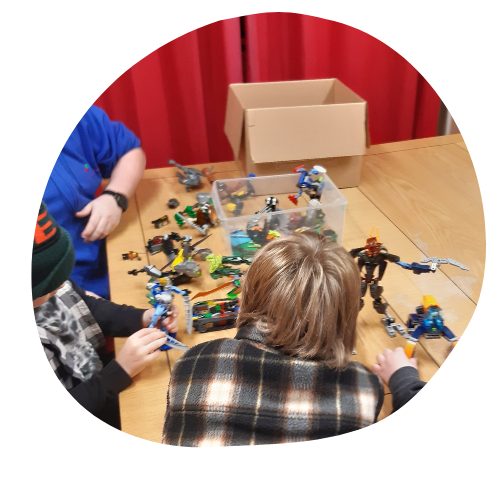
A Finished Box is a clearly marked container where children place items they are “done” with. Instead of throwing objects, clinging to toys, or hiding materials, children are offered a predictable way to signal completion.
Why it matters:
It may sound small, but for neurodivergent children or those with sensory, attention/focus or executive functioning differences, this tool can be transformative in helping them determine when an activity or game is finished. For older youngsters, it could be used to mark the end of homework or tech time.
Neurologically, we all need closure to mark an activity as complete and for those who struggle to interpret signals a Finished Box is a tangible, physical method which provides:
- A clear, consistent end-point (supporting executive functioning) giving the brain has a clear signal “when I’m done, it always goes in here”
- Predictable sensory-motor feedback – the motion of putting or throwing things in the box can release energy in a positive way (tactile/proprioceptive closure)
- Reduction in overwhelm from too many items at once – minimising stimulus by ‘finishing’ with some toys/games before moving onto other items
- Visible reassurance that items are “done for now” will help reduce stealing/clinging/throwing
- Creates a predictable bridge for smoother transitions between activities
By introducing a Finished Box, we support the brain’s need for order and safety. This small adjustment creates calmer situations in play or activities, strengthens trust,and empowers children to move on with dignity.
Remember, if your child displays possessive or boisterous behaviour with toys or items, throwing or holding onto items isn’t “bad behaviour”, it’s communication! They probably enjoy the sensory stimulation from the noise and motion of throwing the item so by restricting throwing to the finished box only, you can redirect that energy into a positive outlet. For heavy or bulky items you can encourage them to be gentle when placing items in the box, praising them when they do a good job.
How to use:
- Have a Finished Box on standby during play activities or home tasks as part of their routine and model repeated use of the box in every activity so it becomes a predictable part of their behaviour.
- Use consistent language when guiding children: “Finished? It goes in the Finished Box.”
- Create a unique Finished Box when you need them to “let go” of items (toys, fidgets, comforters etc.) helping them transition away from reliance on those items more smoothly.
Top tips:
- Involve them in choosing which box is for different toys or rooms of the house.
- Colourful boxes or tubs will help them identify what goes where as well as making it more visually interesting.
- Why not make a finished box or bag to take out with you for small fidgets, comforters or toys.
- Keep it going in adulthood – the same principles can work when you have to complete household chores, life admin etc.
Keep up to date with the latest SensationALL Self-Regulation Strategies on our socials!