
Hearing isn’t just about our ears. It’s about how our brain makes sense of sound, voices, music, background noise, sudden bangs, or the quiet hum of everyday life.
For some people, sound feels calming and grounding. For others, it can feel confusing, distracting, or overwhelming. This guide gives you an easy way to understand what you, or your child, might be experiencing, and how to find calm, connection, and comfort at home.

How does auditory processing works?
Auditory processing is the brain’s ability to:
- notice sound
- filter out background noise
- understand speech
- tell where sound is coming from
- use rhythm and tone
- stay regulated in noisy spaces
When this system works smoothly, people feel settled, focused, and ready to learn or play. When it struggles, their behaviours will often show this.
Why does sound affect our emotions?
When we hear sound, it goes straight to the part of the brain that decides “I’m safe” or “I’m not safe.”
For sensitive nervous systems, this can mean:
- small sounds can feel huge
- sudden noise can trigger fear
- silence feels calming
or:
- loud, rhythmic sound can feel grounding
- music helps regulate emotion
- predictable sound feels safe
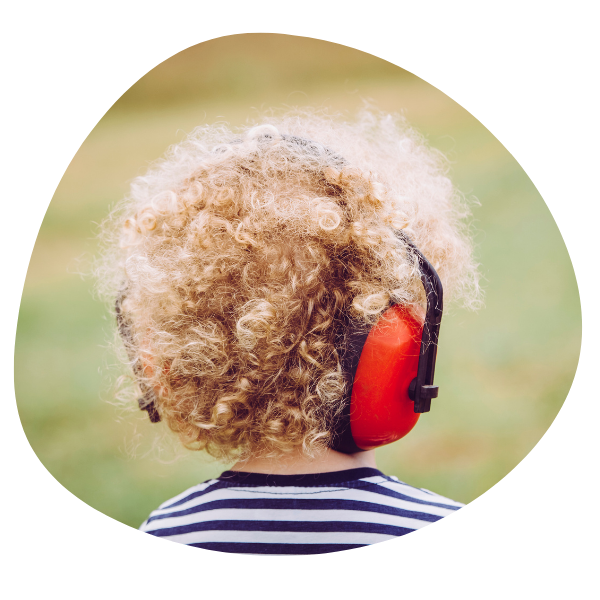
Over-responsive or under-responsive?
There are two common ways in which people can respond to sound: over-responsive and under-responsive. They can be seen in children, teens and adults.
Over-responsive
Over-responsive is when sound can feel too much. This happens in children, teens and adults. You might notice:
- Hands over ears
- Avoids noisy places
- Gets upset with sudden sounds
- Startles easily
- Prefers quiet and calm
- Meltdowns or anxiety which is triggered by noise
How to support someone who is over-responsive:
- Noise-reducing headphones
- Reduce background noise
- Warn them before any loud sounds
- Speak slowly with fewer words
- Create a quiet corner at home
- Use soft rhythmic music
Under-responsive
Under-responsive is when sound does not register strongly enough.
- Doesn’t respond to their name right away
- Needs instructions to be repeated
- Turns music up loud
- Seeks noise (hums, taps, bangs)
- Enjoys busy, loud environments
- Struggles to focus without sound
How to support someone who is under-responsive:
- Use songs and rhythms for routines
- Add movement and sound together (clap, drum, stomp)
- Clear, short instructions
- Listening games
- Musical toys or instruments
- Use a sound to cue to get attention
Supporting the auditory system isn’t about forcing tolerance. It’s about helping the nervous system feel safe, steady, and understood!
Ideas to try at home!
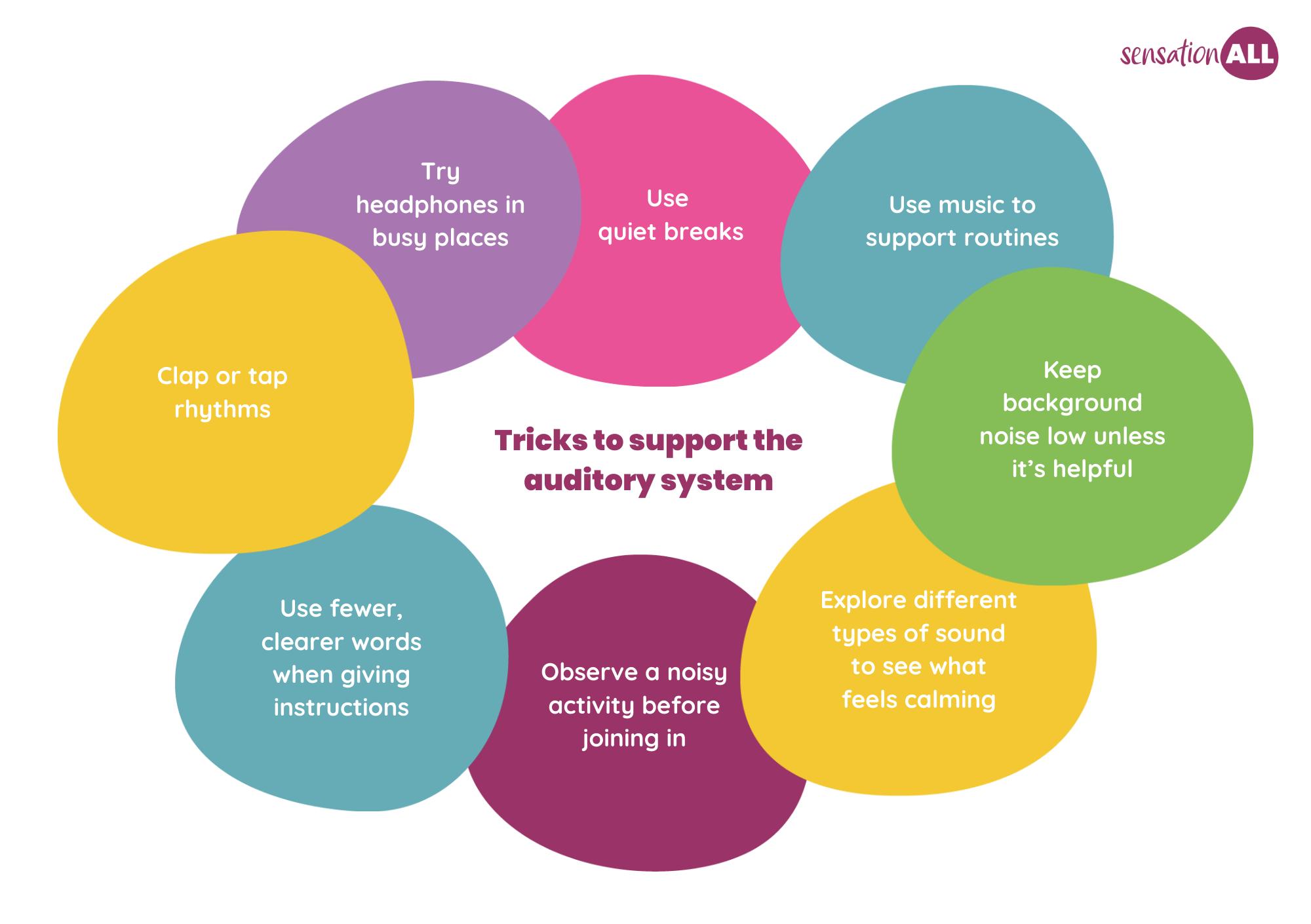
Keep up to date with the latest SensationALL Self-Regulation Strategies on our socials!
