Celebrating Neurodiversity: How SensationALL supports our community 

At SensationALL, we provide support for people of ALL ages and conditions and their family members removing the barriers of a formal diagnosis. Currently, we interact directly with over 480 individuals each year across 800+ sessions, but the demand we face is much greater. With over 1,900 registered service users and close to 200 named on our waiting lists actively seeking a space in one or more of our services, it’s clear that we need to do more. 

As a charity who receive no statutory funding, we rely entirely on grants, donations, corporate partnerships, and fundraising efforts to keep our services running. Like many charities, we are navigating an increasingly competitive funding landscape, with reduced funding available and rising demand leading to higher rejection rates. 

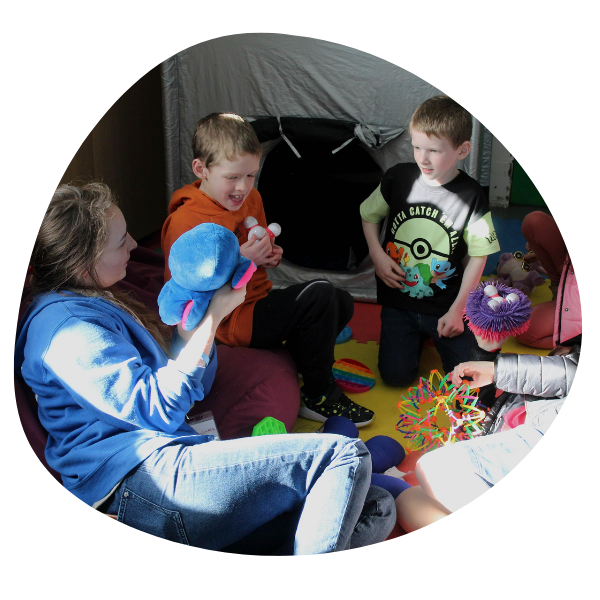
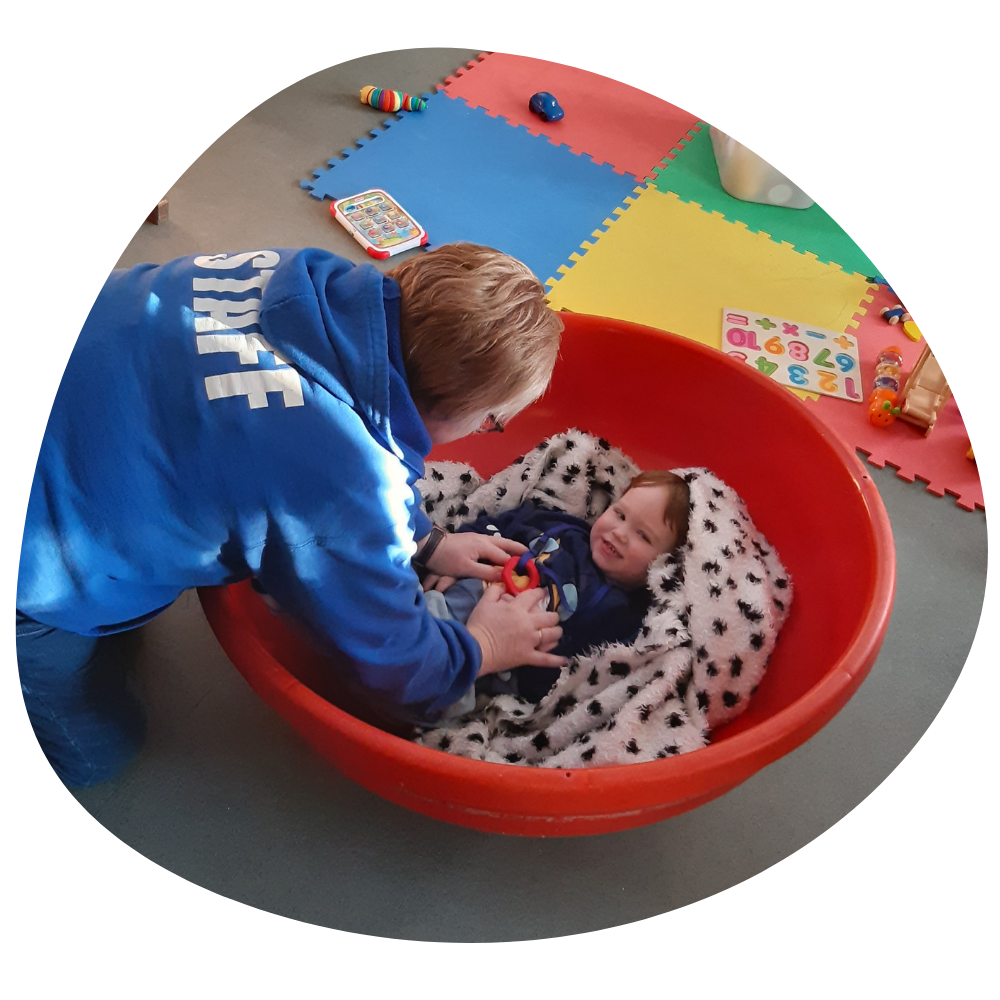
Our groups are different to mainstream or public recreational activities because we create a safe, welcoming environment where our specially trained staff support attendees so they can: 

  • Recharge and express themselves freely 
  • Build genuine friendships 
  • Reduce loneliness and isolation, reducing mental health risks 
  • Connect with a community of people who accept them as they are 

We carefully match each person to a group that suits their needs. Sessions are designed to help people with sensory processing or emotional issues to build skills that will improve confidence, social interaction and resilience. 

To ensure everyone can thrive we: 

  • Keep group sizes small (an average of 6-8 per session) 
  • Considers the person needs of attendees not just age so we can meet their behavioural and sensory needs  
  • Operate waiting lists to accurately gauge demand for each service and support level 

Sadly, despite our best efforts to grow services, waiting lists are increasing faster than ever before and many are left waiting for support they can’t access anywhere else. 
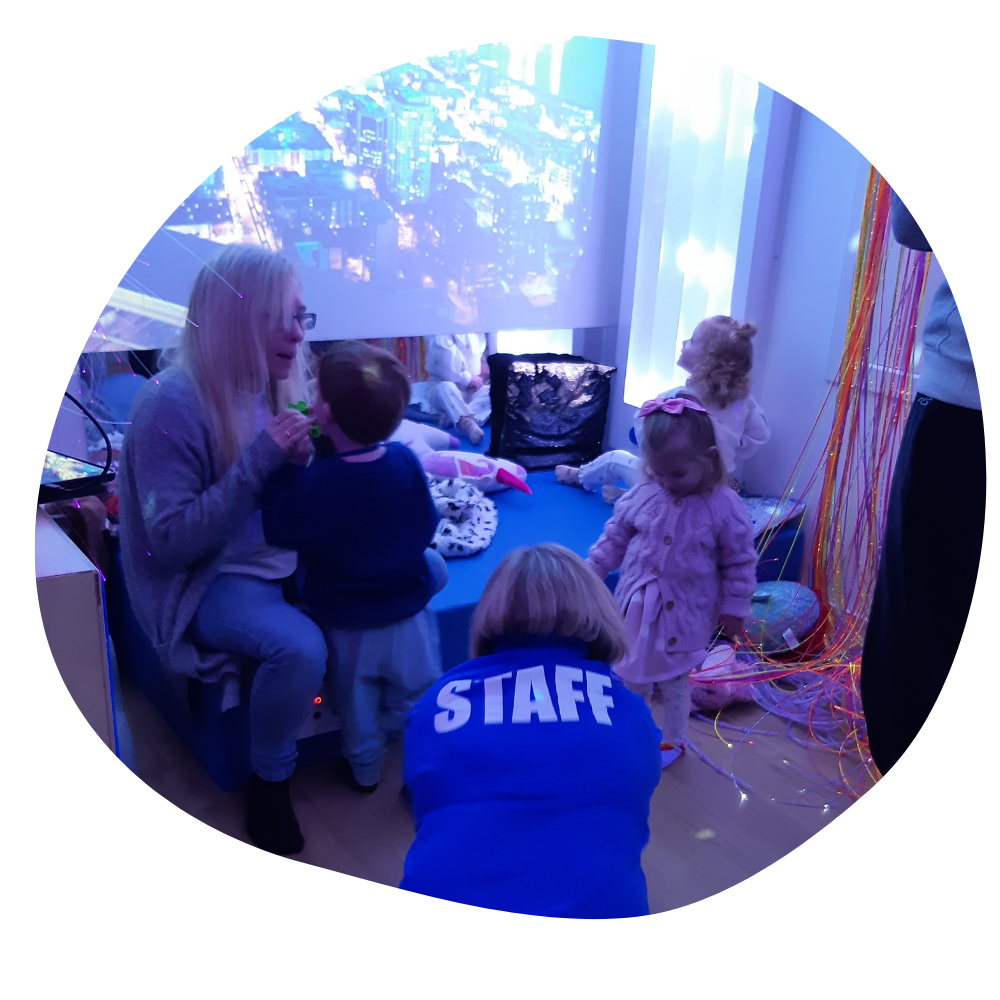
At SensationALL, we believe everyone deserves equal access to meaningful social opportunities. For many, our groups are their only opportunity to make friends and feel a sense of belonging. 

We also support parents and carers, helping them feel informed, confident, and connected. Our families report: 

  • Improved mental health and wellbeing 
  • Stronger family dynamics 
  • Loved ones developing better self-regulation and social skills 

Our approach creates a supportive environment for the whole family, enabling individuals to thrive at every stage of life. 

We are working hard to expand our timetable and create more spaces, but we need your help. The funding climate is tough for all charities, so donations, corporate partnerships, and fundraising support means more than ever!  

Every pound you contribute will enable us to reach more people and provide the vital services our community relies on. 

You can make a difference: 

  • Fundraise for SensationALL – there are so many opportunities coming up, why not do the Kiltwalk for us in 2026?! 
  • Dontate to SensationALL or support our fundraising campaigns 

Together, we can ensure that every neurodivergent individual and their family in the north east has the support they deserve to thrive. 

Meet the service team!

Collectively our team of practitioners and support workers have decades of experience working with people with complex needs and a wealth of knowledge and expertise.

about Chloe

What’s your role at SensationALL and what does it involve?
My role as Service Team Lead bridges service demand, design, and delivery with operations and HR. I collaborate with the operations team, session coordinators, and Clinical Team Lead to schedule and deliver services, recruit and allocate staff, lead our team of practitioners and youth workers, manage appraisals and training needs, as well as have fun in some sessions too!

What do you like most about SensationALL?
The shared passion within the team for supporting neurodivergent individuals, their families, carers, and the wider community. The genuine, authentic care shown by the team drives our work and ensures that a needs-led, person-centred approach remains at the heart of everything we do. I feel proud to work for a charity that retains such a strong sense of purpose and fosters an environment built on inclusion, understanding, and lived experience.

How long have you been at SensationALL?
I have been at SensationALL for over 3 years now, starting in a Youth Worker position in 2022, and becoming Service Team Lead in 2023. 

What’s your favourite sensory activity?
My favourite sensory activities are movement-based. I especially enjoy using the balance boards and vibration plates, as well as active games in the soft play room, particularly hide and seek or grounders. I also love making slime!

about Rebekah

What do you like most about SensationALL / what does SensationALL mean to you?
What I love most about SensationALL is the deep respect for every child and adult as an individual. SensationALL means safety, understanding, and possibility to me. It’s a place where differences are welcomed, nervous systems are honoured, and children are supported to thrive in ways that feel right for them.

How long have you been at SensationALL?
I’ve been part of SensationALL for 8 years.

What’s your favourite sensory activity?
My favourite sensory activity is anything involving deep pressure or heavy work. It’s grounding, regulating, and such a powerful way to help children feel safe and settled in their bodies.

about Fran

about Marie

about Caitlin

about Jo

In addition to these wonderful people we have an enthusiastic team of support & youth workers who assist the practitioners during sessions.

Snow day regulation tips

When snow falls, everything slows as schools and businesses close and routines change.

For most people snow days are exciting – getting all bundled up to enjoy a winter wonderland. However, for many neurodivergent people, the disruption can be upsetting and stressful and the extra winter clothes can present sensory challenges. But did you realise that snow play is incredible for the nervous system resulting in calmer bodies and more settled emotions, when it’s done with a little intention.

Our SensationALL team have put together some ideas on how to turn your snow days into a fun, positive experience!

Firstly, cold air can also increase alertness, while repetitive or exaggerated movements (like walking through snow) helps organise thoughts and emotions.

Snow activities can provide our brains and bodies with big movement, deep pressure, and rhythm which sends reassuring signals to the brain that say, “I know where my body is. I’m safe. I can settle.” So, that’s why you might feel more regulated after outdoor play, even if things feel wild in the moment.

The rolling, packing and lifting of snow into place all count as “heavy work”. This kind of movement helps release excess energy and feel more grounded in your body.

You might notice:

  • Better emotional regulation
  • Less fidgeting
  • A calmer transition back indoors

Tip: Encourage slow pushing and rolling rather than rushing. Adding pauses to “admire the snowman” can help the body reset. Use a spade or shovel if you don’t like touching the snow (or wearing gloves!).

Sledging gives gentle, linear movement that helps you feel balanced and settled.

To keep it regulating rather than overwhelming:

  • Take turns, don’t race
  • Walk back up the hill slowly
  • Admire the view – what can you see on the way down
  • Pause between rides to catch breath and notice the cold air

If you become dizzy or overly excitable, that’s the body asking for a break.

Snow angels involve both sides of the body moving together, which helps the brain integrate and calm so is like a natural reset button. They’re especially helpful after lots of high-energy play.

Try counting slow angel “wings” together or taking deep breaths while lying in the snow. It often brings a noticeable shift from excitement to calm.

If you seem calmer, more focused, or more emotionally settled after playing in the snow, that’s not a coincidence. The body has done exactly what it needed to do but pace yourself…

Break the day down into cycles of gentle and high energy activities to ensure a balance. You don’t need a strict plan but try alternate slow and fast paced activities like:

  • Big movement (sledging or building in the snow)
  • Still moment (look at the sights and sounds of the winter landscape. Listen to your breathing, notice how the cold feels)
  • Repeat the cycle

This rhythm helps you enjoy the excitement without tipping into overwhelm and encourages you to be present in sensory experience.

Snow play is powerful sensory input, but often we need help landing afterwards. Try doing this with:

  • A warm drink
  • Dry clothes with gentle pressure (cozy jumpers, weighted blankets)
  • A quiet activity like drawing or reading

Calm activities tell the nervous system it’s safe to rest.

Touch – If you find touching the snow unpleasant then use a spade or bucket to minimise the chance of getting wet gloves. For children, try using baking or play doh moulds/cutters to make shapes. Maybe making a small snow animal is more achievable than a full snowperson!

Clothes – hate hats and gloves? Padded winter coats too restricting? Are wellies a no-go?! Look for alternative options – maybe multiple thinner layers will be more comfortable; perhaps long sleeves could be pulled over your hands; or limit the time outside if you are wearing less than ideal coats.

Snow days don’t have to be a disruption. They’re an invitation to let you regulate in the most natural way possible: through movement, cold air, and play.

Keep up to date with the latest SensationALL Self-Regulation Strategies on our socials!