Getting through the festive season

Most people look forward to the festive period but if you are neurodivergent then it can exacerbate issues you already find tricky… changes in routine, activities and expectations.

Some of our ‘neuro-spicy’ staff and families have collaborated to pull together this list of tips and suggestions to help you tackle the Christmas and New Year period. We’ve even included some handy templates and resources!  

It’s ok to do your version of whatever you want, or need, to do!

Be by yourself, have no decorations, eat your usual favourite foods, stay in jammies, play with old familiar toys, watch the same old TV programmes, open presents (do they need wrapped?) when you feel like it… whatever helps you and your family to cope with these different festive experiences.

Reducing demands can help avoid overwhelm and meltdowns, so everyone can self-regulate.

Social demands can be high at this time of year, so try to be aware of your own social battery and be selective about what you commit too; even if this means missing a gathering or leaving early. Space out social events to make sure you and your family have time to recover and decompress. 

Reducing sensory overload can be tricky at this time of year. Here are some ways to cope:

  1. Create a safe/quiet space with sensory supports and familiar comfy clothes/blankets or ear defenders if needed.
  2. Consider your environment. How can you reduce food smells, lighting or noise? Does changing the environment help; take time out in a quiet, safe space, go outside/for a drive.
  3. Use familiar sensory tools and resources. If you are going out remember to take your favourite sensory items with you. Being in busy or unfamiliar social settings could result in an increase in stimming behaviour and greater reliance on sensory tools.
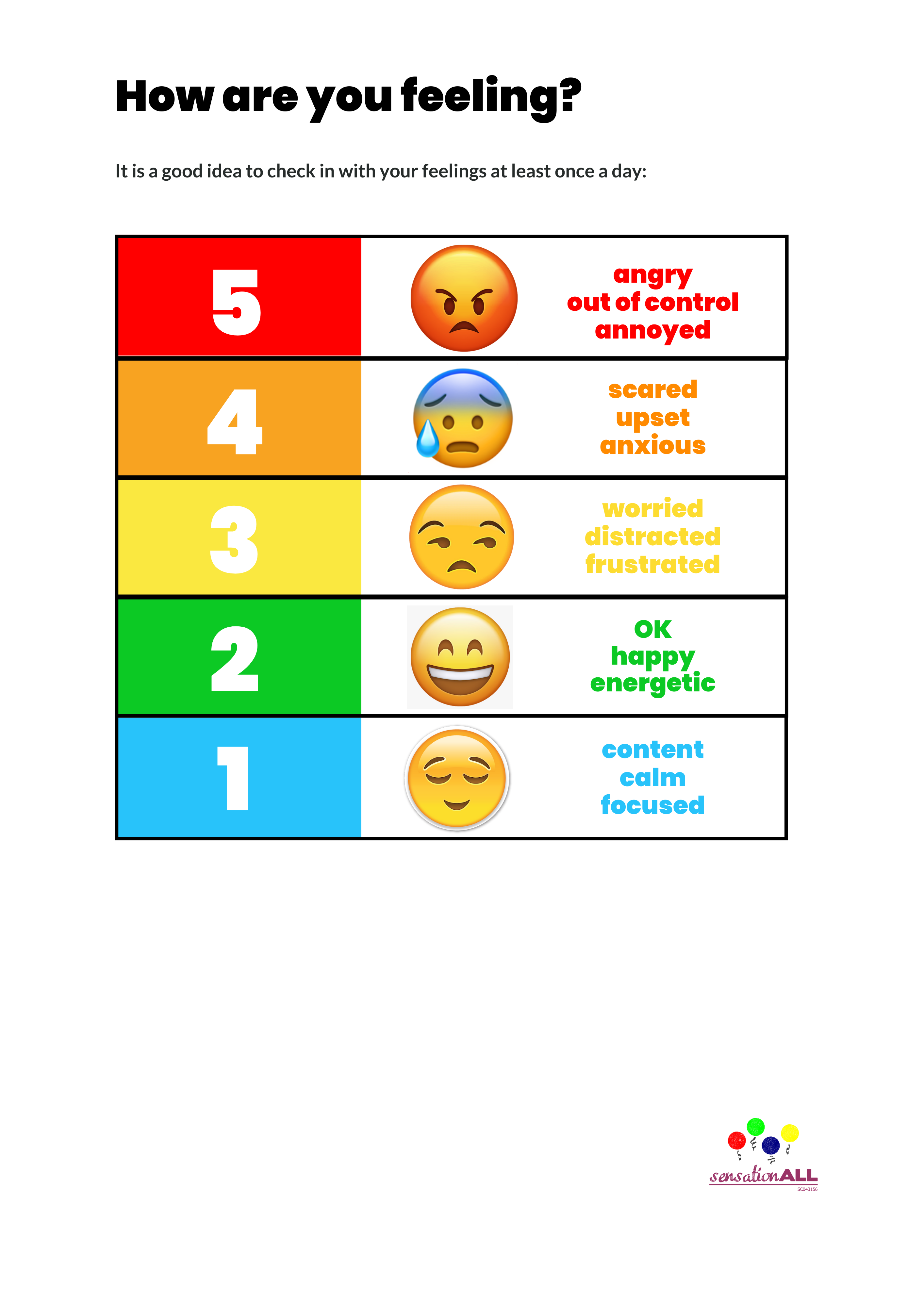
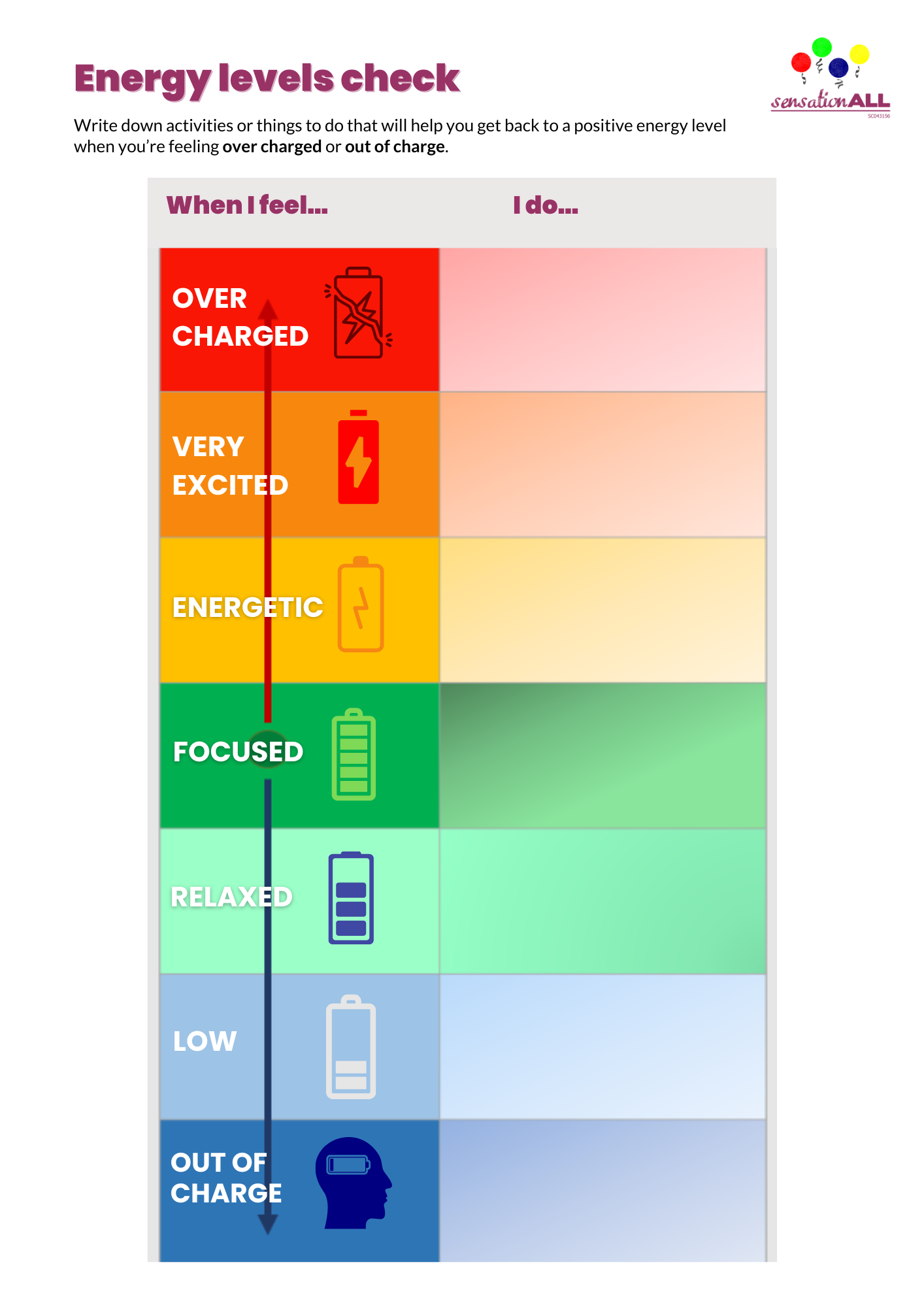
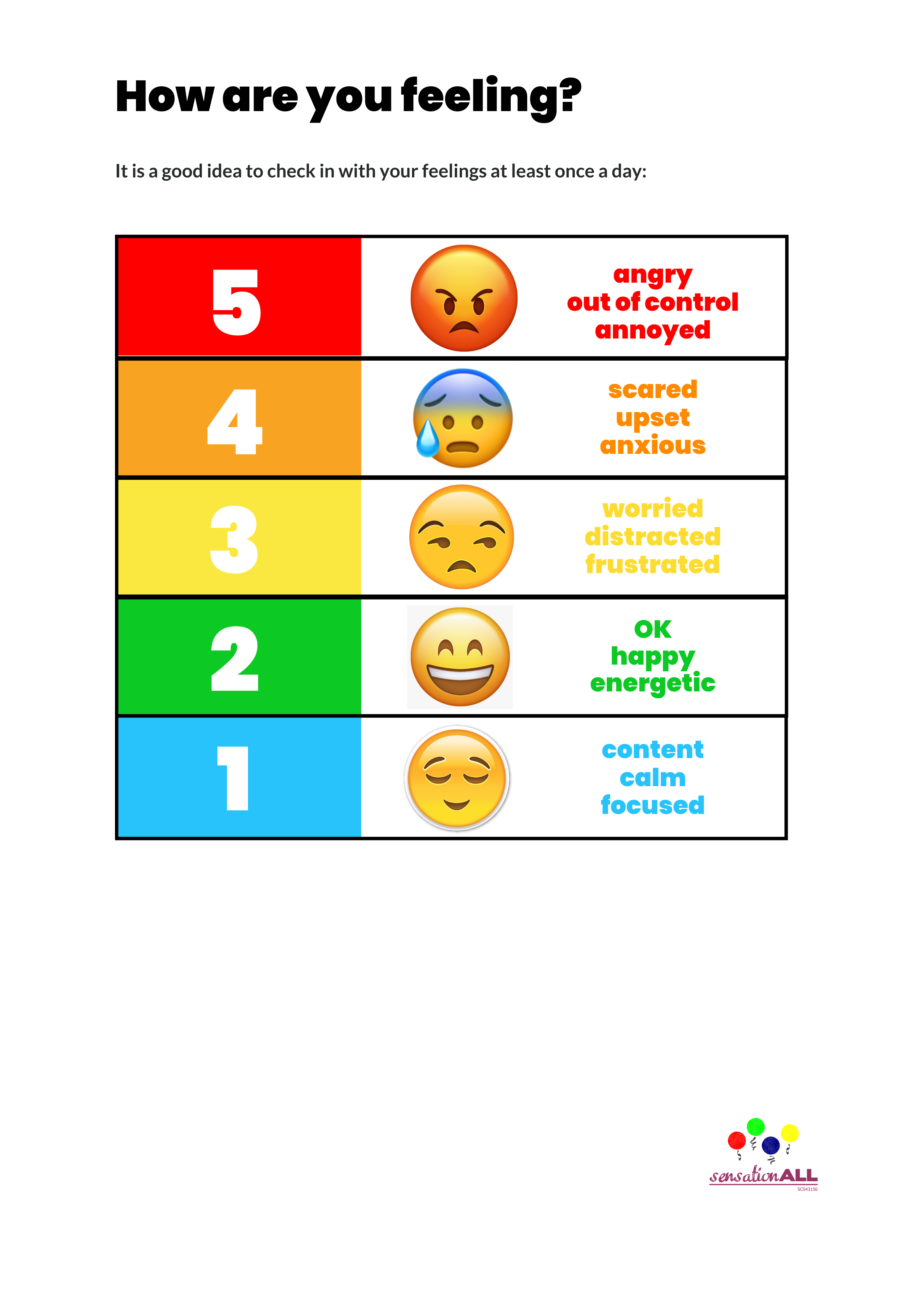
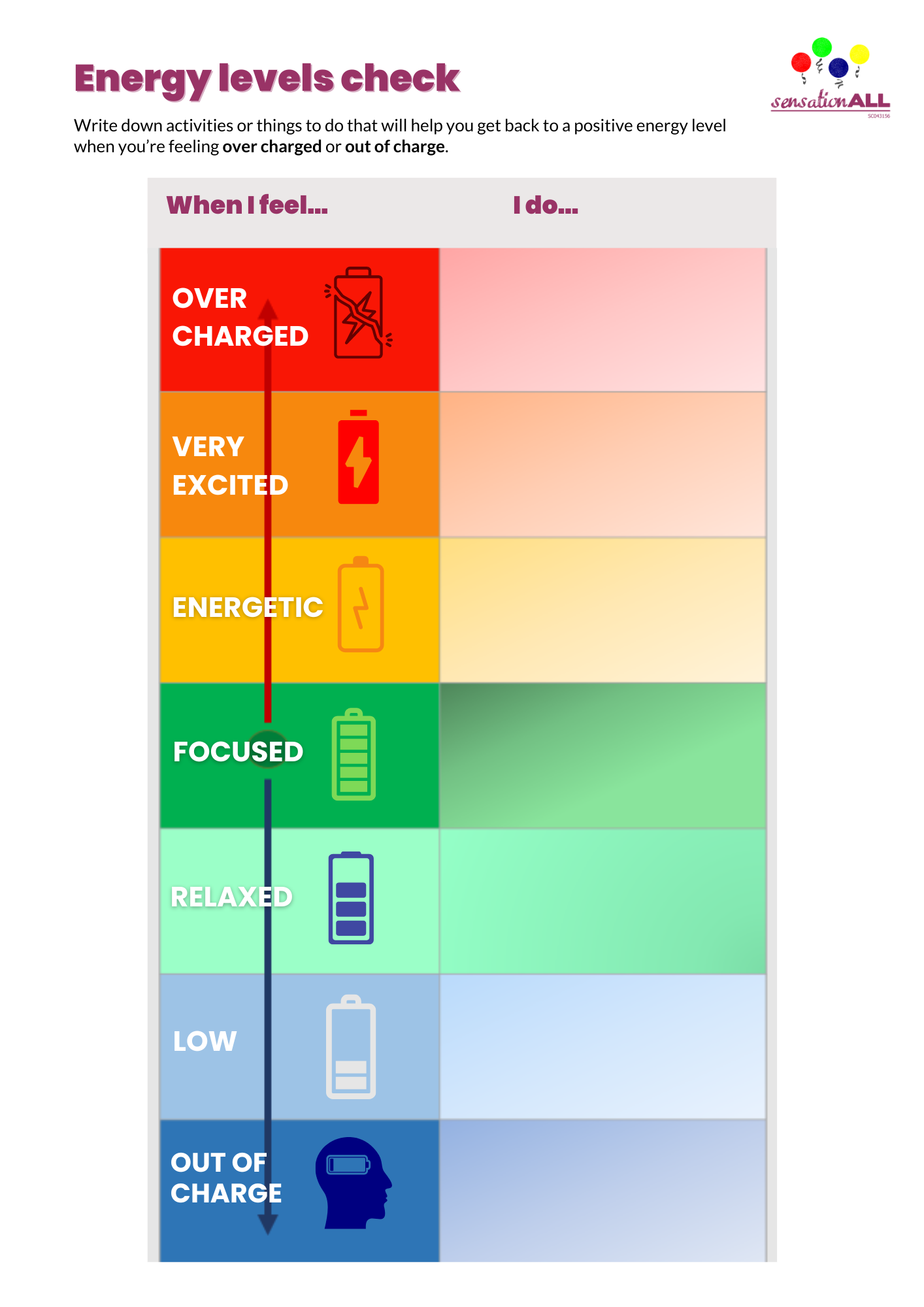
  4. Communicate. Explain to people if you or your loved one is feeling overwhelmed. Why not encourage the whole family to use our energy battery to share how they are feeling – you can even turn it into a game! If the adults/non-neurodivergent people model some regulating activities (massage, deep breathing, bear hugs, active calming etc.) then it becomes the norm. Brief the whole family on what the triggers or signs of dysregulation are for you and tell them what your sensory solutions and strategies are. 
  5. Plan sensory breaks or active moments try to avoid sensory overwhelm by proactively taking time out to regulate and recharge.

Preparing for all the changes to routine and expectations is so important! If you introduce visual supports such as calendar countdowns, social stories, schedules in advance then you/your neurodivergent loved-one will feel more in control. Having a set routine of activities can help many, others might prefer having a choice of what activities they do or what order they do them in. Use visual choice boards so they can choose and during activities, timers can be great to define the start and end.

There can be a lot of anxiety and/or excitement associated with Christmas, especially Christmas eve when sleeping may be even more difficult. Prioritise some relaxation exercises and wind-down time before bedtime to try ease the transition to sleep (remember, relaxation for some can be both low and high energy!).

Trying to juggle everyone’s needs and expectations at this time of year can be very stressful. It is almost impossible to achieve this. It can be particularly tricky having some children or adults in the household who can and want a more traditional Christmas, balancing that with those who find it more difficult and require their own version. Remember to use your usual strategies and techniques – if that means using separate rooms, each doing different activities at different times, using screen time, fidgets/sensory supports, limiting time at the table, eating under the table, particularly at unfamiliar environments or in a group situation, that is ok.

Maybe having a code word, gesture or symbol card to demonstrate a need for support between family members could work. Remember your own needs – take the time and space to calm your chaos: step outside into the cold air, take some deep breaths, listen to your favourite music! 

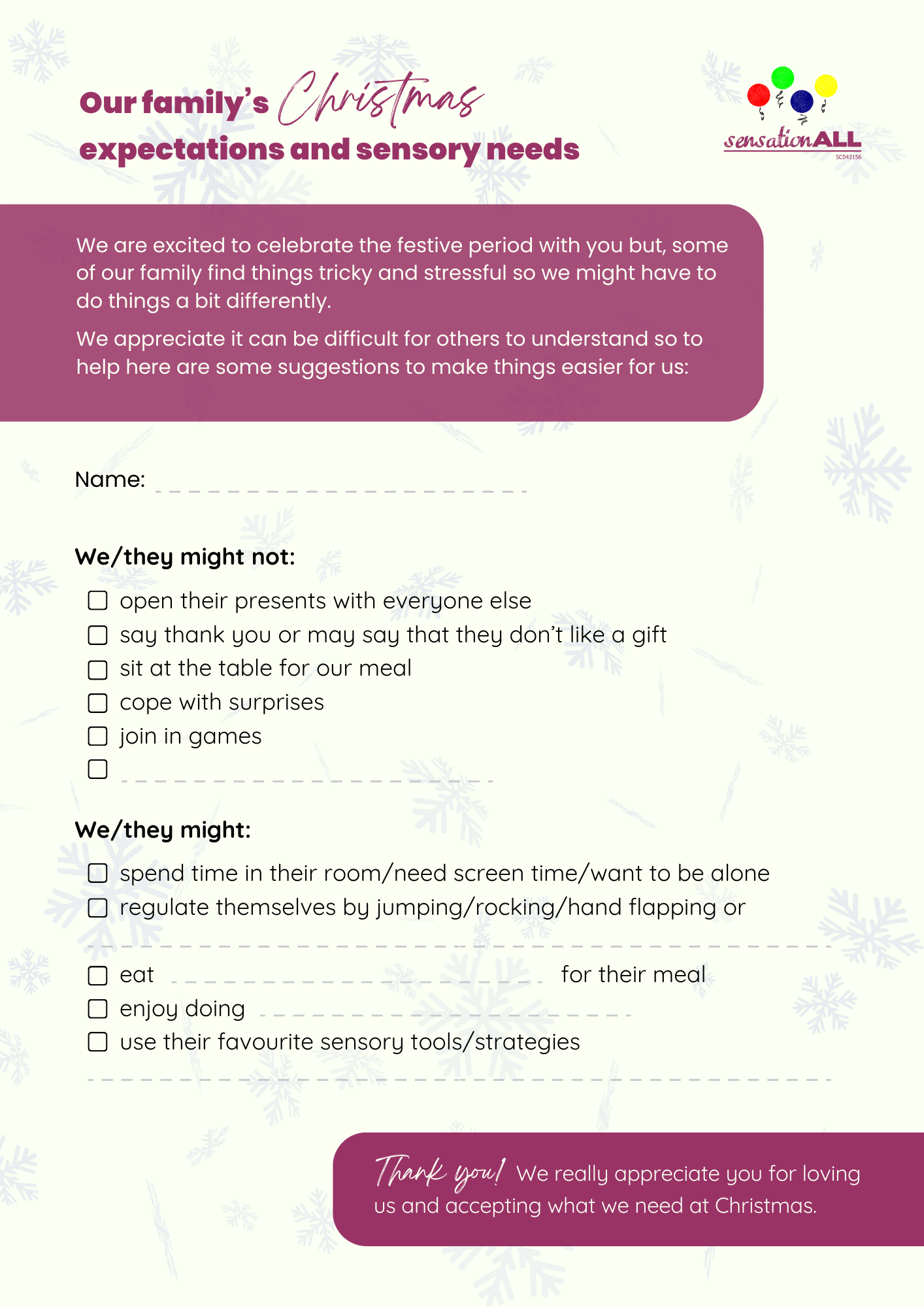
Christmas expectations template

Fill this template in and share with others to help them understand your needs.

We know it can be hard to initiate conversations with family or friends about why you and your loved-ones do things differently at Christmas so hopefully this will make it a little easier.

By explaining your requirements you can set expectations which will help them understand and accommodate your needs so everyone has a good time!

Colouring sheets

Regulation tools

Socialising when you are neurodivergent

Some may think that is an overly generalised statement but, the reality is that modern life is fast paced, highly stimulating and demanding, which is incredibly difficult for everyone but especially for those with additional support needs. Life today comes with a never-ending list of societal expectations, pass your exams, go to University, build a fulfilling career, have successful relationships, become a parent, contribute to your community (we could go on!😉). If you have a neurodivergent condition such as Autism or ADHD, then living up to these expectations can be an up-hill struggle.

The numerous unwritten rules of how to engage in social settings are a minefield for neurodivergent people and they can find building friendships or personal interactions particularly challenging!

For example, a neurodivergent person may struggle to interpret conversational cues so doesn’t understand or see the point of ‘small talk’. Or someone who finds reading body language tricky so is oblivious to another person trying to instigate a conversation and comes across as rude or abrupt when they give one-word answers (or walk away while the other person is mid-sentence!).

And nowadays these situations occur during online interactions too! The expectation that everyone will have a social media presence to document their every move and thought is an additional pressure. Communicating via the internet might be less intimidating than face-to-face interactions for many neurodivergent people but, they are still expected to do this within the ever-changing parameters of digital etiquette which can be difficult to monitor.

All of this leaves many neurodivergent people isolated and excluded because society is not flexible enough to accommodate anyone who processes information and situations differently. They are forced to work extra hard to process the world around them, often ‘masking’ their neurodiversity, by hiding their stimming behaviour or forcing themselves to maintain eye contact or sit still just to fit in. But that requires a massive amount of energy and many people reach ‘burnout’ as they become mentally, psychologically and emotionally exhausted.

Well in an ideal world, society would change but sadly, it’s not that straight forward. Awareness of neurodiversity is increasing but, practical steps to accommodate neurodivergent people are slow at being implemented throughout society.

  • More social spaces!

There needs to be a greater understanding and acceptance of neurodivergent people who should be celebrated and included rather than being expected to adjust their behaviour to conform to restrictive societal expectations. There is a shortage of social activities where neurodivergent people can meet others and socialise without sensory overload and where neuro-inclusivity is the norm, not the expectation!

At SensationALL, our mission is to provide safe places for ALL ages to access play and social groups where everyone can be themselves and feel they belong with support from our specialist practitioners.

Our range of social groups, known as ‘SociALLise’, are designed around the preferences and needs of the attendees so they can have fun doing things they enjoy. There are SociALLise groups for primary school ages, teenagers and young adults and we now regularly hold five different sessions each week in Aberdeen and Westhill.

Most importantly, SociALLise is a community! Once you have a place, it is yours for life. Over the years, many youngsters have transitioned from the primary school aged groups right up to the young adult groups and along the way have made life-long friends.

a SociALLise attendee

  • Practical Support

We believe in empowering individuals by sharing our SensationALL tips and techniques which they can use in everyday life to feel more resilient in overwhelming situations. Sessions are a safe space to share experiences and open up about worries allowing them to understand more about themselves and build self-value and feel accepted. This support allows them to take ownership of their neurodivergent identity as they realise they are not alone.

Our team of practitioners have a wealth of experience in supporting individuals with complex needs and as some identify as neurodivergent themselves they can use first-hand experiences to relate to our attendees.

Demand is growing exponentially for places in our SociALLise sessions and we have 90 youngsters waiting for places right now! New families are approaching us every week but we need to increase our income before we can create more of these invaluable groups.

Our aim is to have more SociALLise sessions taking place in locations across Aberdeen and Aberdeenshire so if you want to help SensationALL support more young neurodivergent people please get in touch! You could fundraise for us or get involved with one of our upcoming events, click below for details.

For anyone interested in using our services or attending a SociALLise session, the first step is to register with us.

Surviving the summer holidays

For those of us with school aged youngsters, the summer holidays can present a daunting period of several weeks when we’re out of normal routine which is particularly hard to navigate for individuals with neurodivergent conditions.

Many families living with neurodivergent or complex conditions can’t access or enjoy the same holidays or events as those with neurotypical youngsters and we understand that finding opportunities to suited to your families needs is difficult.

We are here to support you with our 8 top practical tips and some useful resources to make your summer a little bit easier…

Give structure to unstructured time! Youngsters are used to the daily timetable that comes with school, from leaving the house on time to set mealtimes and designated playtime and for most neurodivergent children, routine = comfort and safety.

To ease the transition to holidays, it can be vital to keep some level of routine so your young person will understand what is expected of them at different points of the day/week.

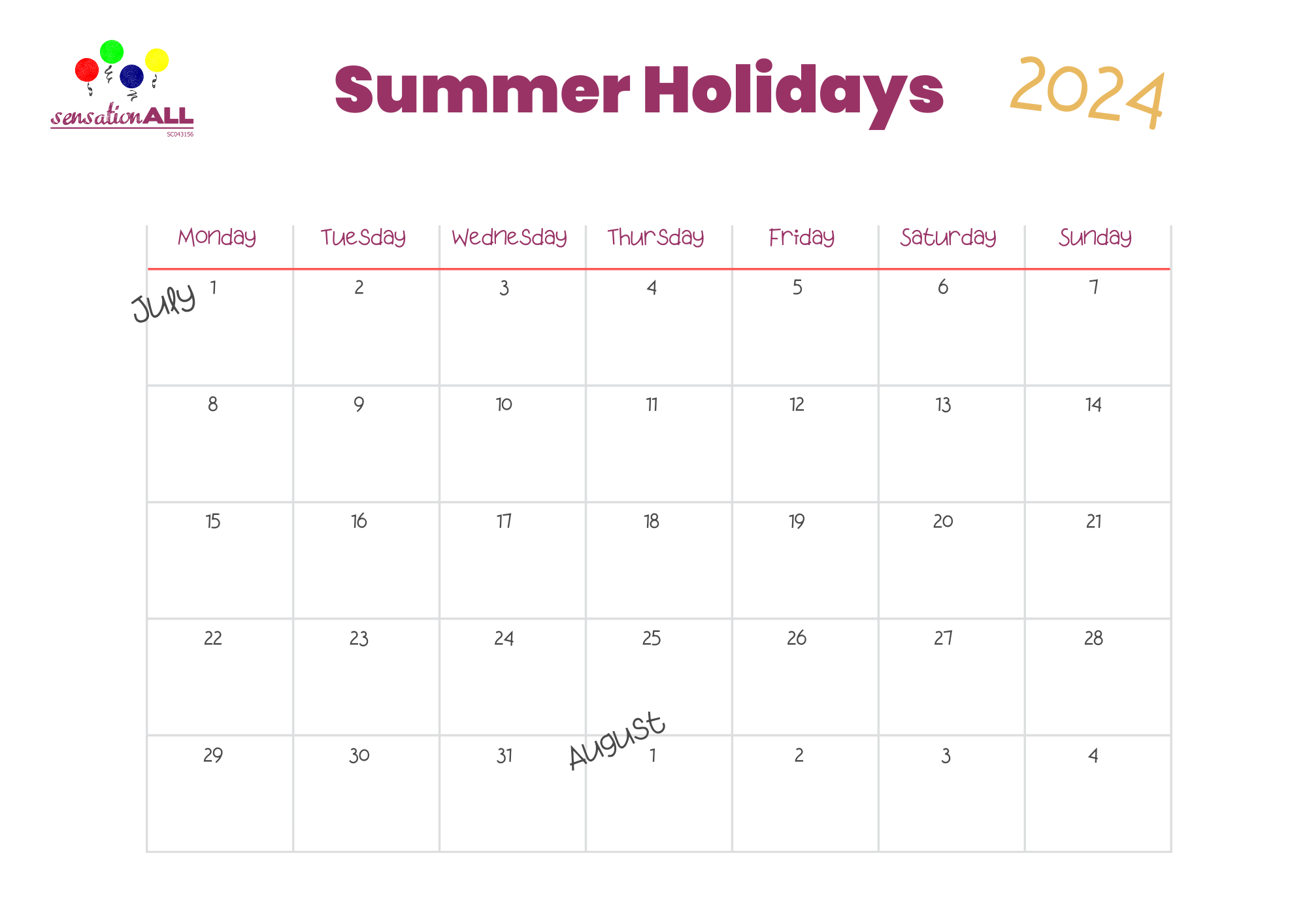
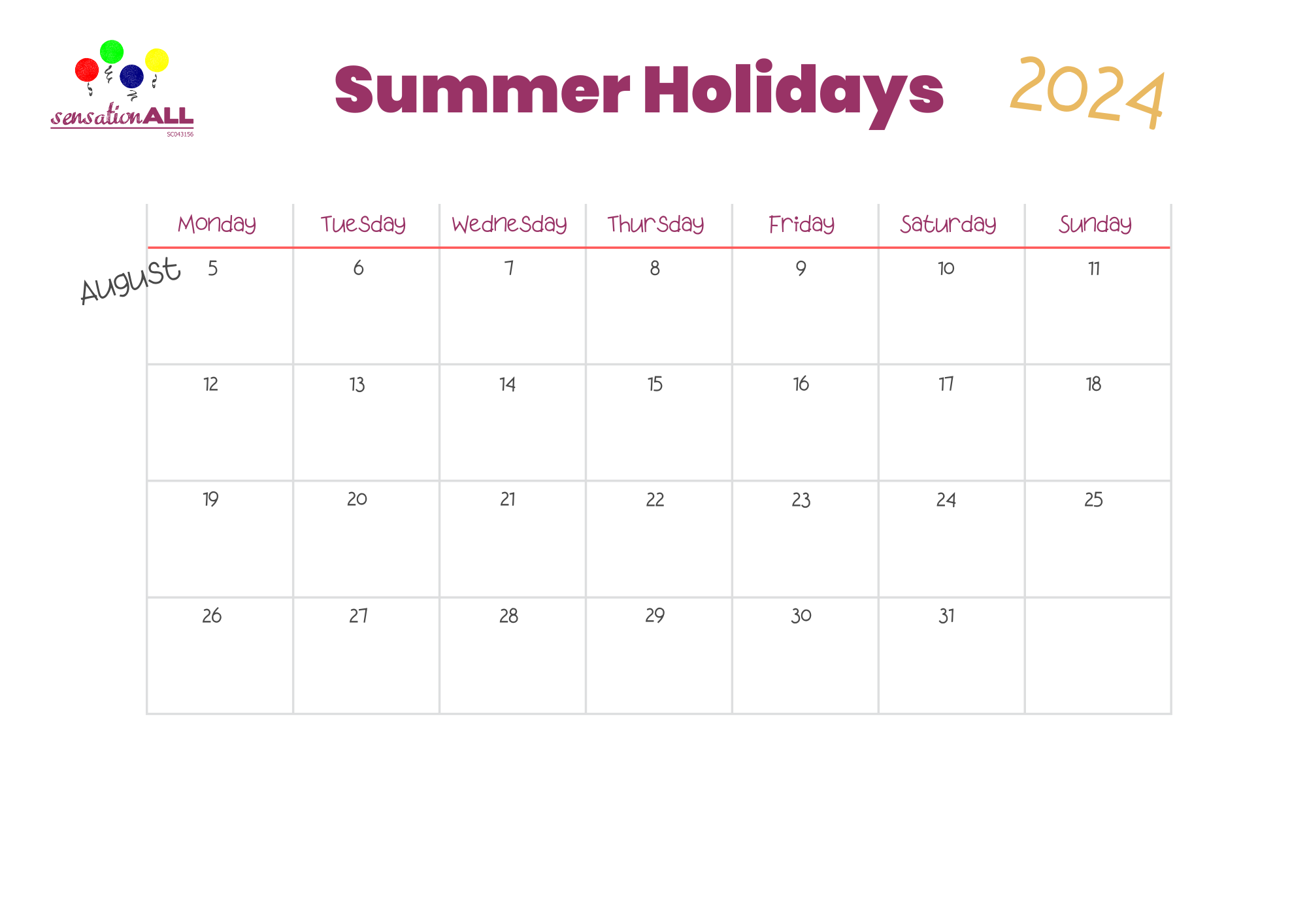
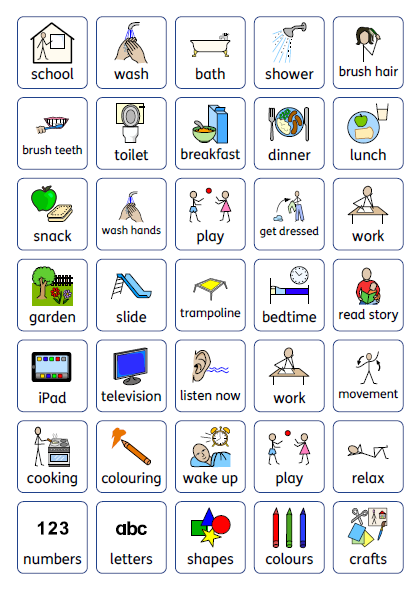
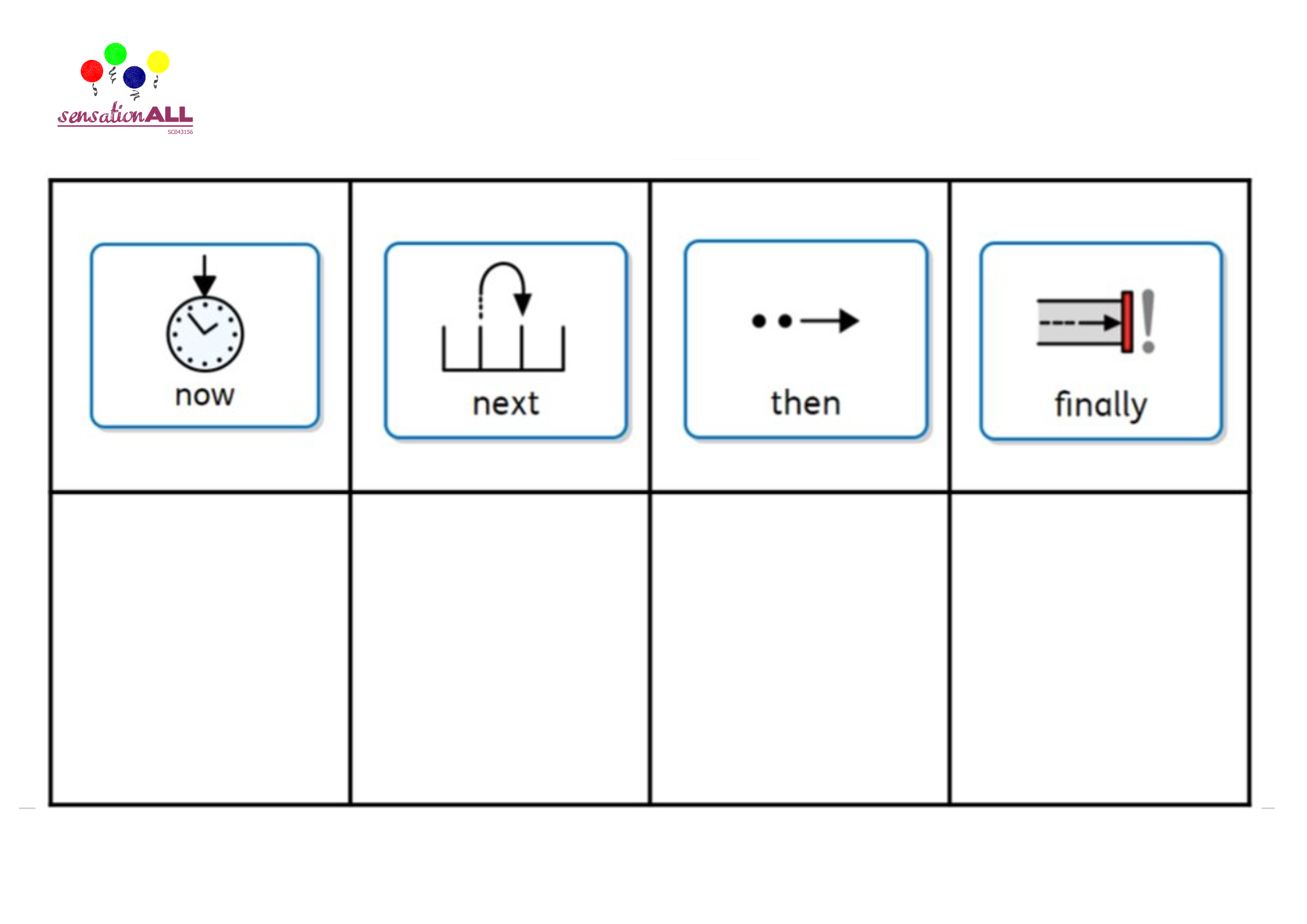
Create structure by using a visual timetable or chatting through the day’s plans in advance, a visual family calendar is a great way to plan out the week or even the month. At SensationALL, we regularly use ‘now and next’ boards to clearly communicate with youngsters e.g. “now we are playing in the garden, next we will go to the shop“.

It’s important to build in their choices (even if it’s from your shortlist), to promote a sense of involvement and control for them. Just remember, your routine should reflect what works well for you and your family.

Here are some templates you can print to create your routine…

July calendar template
August calendar template
Activity Visuals
Now/Next planner template

Expectations of what the day/holiday will be like often sets us up for failure. Remember, the perfect day is different for everyone!
It’s so hard not to compare yourself to others and aim for what society expects you to do during the summer holidays. The small talk at the school gates can evoke anxiety and even disappointment about your plans… “you going away this year?”, “planning to take the kids to [insert name of popular event/play facility]?” Aaargh!!

The best way to overcome those feelings is by being realistic about your family’s boundaries and adapting your plans to suit. Expect multiple changes throughout the holidays (to diet, sleep, behaviour) as emotions will fluctuate with daily changes in activities and routines. Be flexible – if something isn’t going to plan, change the plan!

Our adult expectations of the “perfect” family day are often unrealistic – be kind to yourself by avoiding unnecessary expectations. Why force yourself to go abroad or be in busy environments if the stress is going to be too much. Your youngster will have a better time if the experience is relaxed and fun – they don’t remember the small details that we do. And, don’t feel bad if your plans aren’t as elaborate or busy as other families – your version of an ideal day is enough!!!

Make your plans together as a family, so everyone can suggest an activity they’d like to do during the holidays – picnics, trips to the local park, having a movie afternoon – whatever they like doing! This will give them a sense of control while empowering their sense of self as their interests and preferences bring comfort and stability.

Every child is unique and will present differently with individual needs. You are the expert when it comes to your child, so don’t compare with others do what’s right for you your child and your family. Keep using any strategies that work in term-time.

Make sure to include time for relaxing or downtime as it can be tempting to have fill the days with activities and adventures but often this is overwhelming for both them and us. Maybe alternate activity days with low key days at home. The odd PJ day is a great idea!

Use our Energy Ladders templates to manage everyone’s emotions throughout the holidays. Why not create a personalised one for each member of the family so everyone can use it to communicate and highlight what they need.

Do some role-play if you are going on holiday or having days out as it can be overwhelming for our individuals if they don’t know what an event/place may be like, or what will happen when they get there.

Many venues have video walk-through’s/photos or generic scenarios can be found online to watch beforehand. Making a checklist of expectations (to mark off as they happen) can be a good way of manage expectations. Role-playing the event helps to prepare them, e.g. pretending you’re in the airport, going through customs, pretend to scan the suitcase etc.

Remember to COMMUNICATE! One of the biggest causes of anxiety is the unknown. Chat through the day’s plan, talk about feelings about an event, use visuals to communicate (could be photos on your phone, symbols or hand drawn pictures, checklists, schedules, coping strategy cards etc.). Communicate as a family, chatting through concerns, needs and expectations as a group “what shall we do if“… to help each family member feel prepared.

Many places, events, and businesses will have accommodations for those with additional needs or neurodivergent conditions but sometimes they aren’t obvious and too often we feel embarrassed or afraid to ask.

Lots of venues provide free carer places or sensory kits/visual guides and there may be quieter routes/areas you can access. Wearing a sunflower lanyard can be helpful to alert staff to your family’s possible support needs, and can even reduce waiting times or the need to queue.

Constantly thinking of our child’s needs can be exhausting! Often we are surviving on little sleep, or virtually no respite from our caring roles. It’s vital that you take care of you too!

Say ‘no’ to things that will overstretch you. Ask for support from others (a partner, relative or friend) who can watch the children while you have a shopping trip, walk or drive by yourself – whatever you need to stay sane!

Find your Tribe! Never forget… you are part of a wider parenting ‘tribe’ of families going through similar things who are also desperate for company.

Reach out to a friend, message a social media group chat, or email us at SensationALL. It’s highly likely someone else will be up for that trip to the park or be available for a coffee and chat. Support from others on outings can make or break the trip.

Even though SensationALL’s sessions fill up quickly, our network of families are always available via the Facebook forum!

Sensory activities and toys are great for keeping youngsters regulated. Never leave home without a sensory bag of tricks containing their favourite fidgets or comforters.

Build a mix of high and low energy activities into your schedule so to manage periods when they are feeling over or under stimulated. Active calming exercises like obstacle courses, skipping, running or bouncing are perfect for those with excess energy. While it’s a great idea to keep a selection of calming activities in reserve for whenever you need them to stay indoors or bring their energy down.

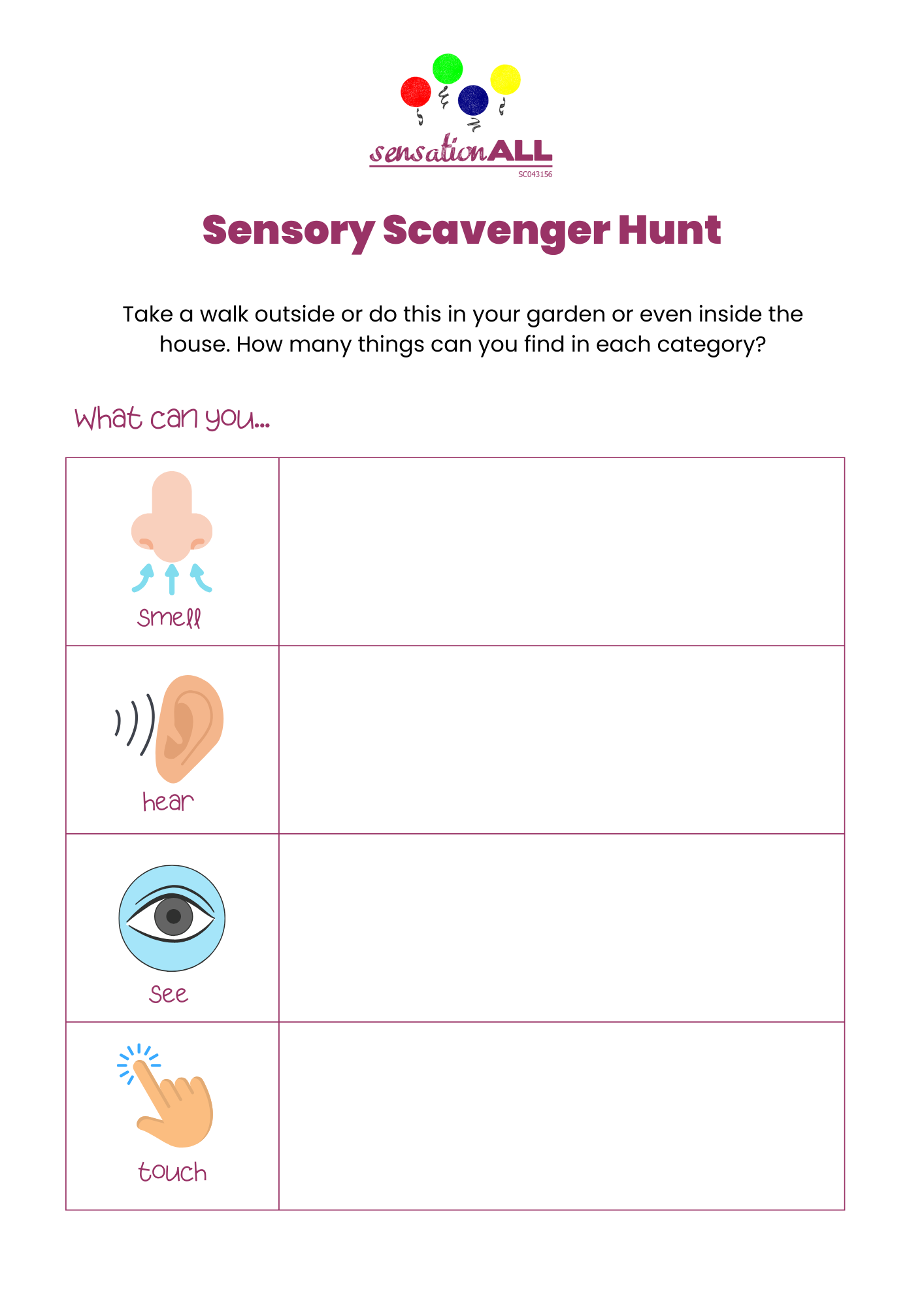
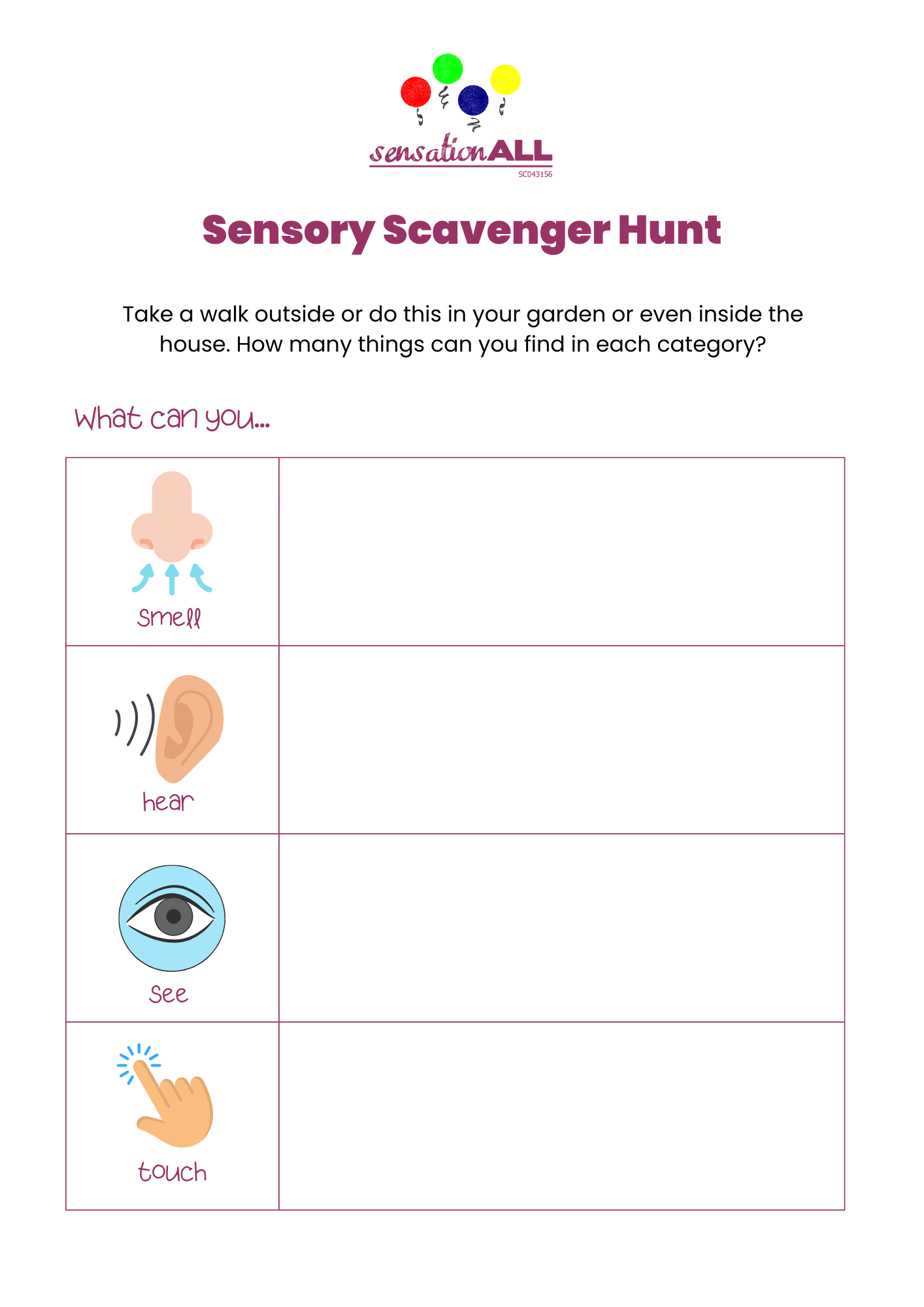
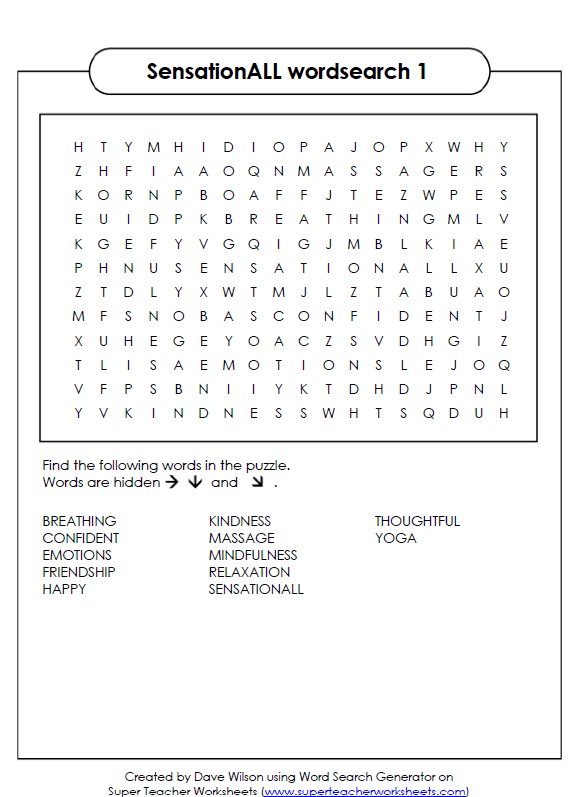
Here are some of our SensationALL sensory activities that can easily be done at home. There’s things to make, bake and feel great with high energy activities like the scavenger hunt (perfect to keep youngsters focused on a task while you’re out and about) or the lower energy word search which is great for those who find cognitive exercises relaxing…

It may seem like a long time away but keep focused on the return to school as, it will present yet ANOTHER change for youngsters who have probably just got used to the holiday routine.

A few weeks before school restarts, why not deliberately drive or walk past the school or go to the school playground. Use the calendar to have a countdown so it’s clear how many days there are before school starts.

Why not make the back-to-school shopping a fun activity they can be part of? Going into shops might not be possible but get them to choose their new school bag or lunchbox online so they feel involved.

For older children, use what you know about their new schedule, classes, peers to prepare them for the transition to a new class or school. Stay positive by highlighting the things they like about school and emphasise opportunities that a new year presents i.e. better school lunches, more variety of classes etc. The week before school it can be really helpful to get back into the early morning routines (for us as well as them!).

Top Tips For A Happy Halloween

3 children and 1 adult dressed up for Halloween

At SensationALL, we know that Halloween is one of the events in the year that divides people as, while it is a fun celebration for most, many families living with neurodivergent individuals find it a difficult and challenging experience.

If you want to celebrate Halloween this year, here are a few suggestions of how to make it a happy and fun experience for your family…

Plan

Decide what you and your family can enjoy (or perhaps just tolerate!) and make plans – do you want to carve a pumpkin, dress up, go to a party, or even go Trick or Treating? Planning in advance gives you a chance to help youngsters with additional support needs understand the event and decide how they want to participate so they feel more in control.

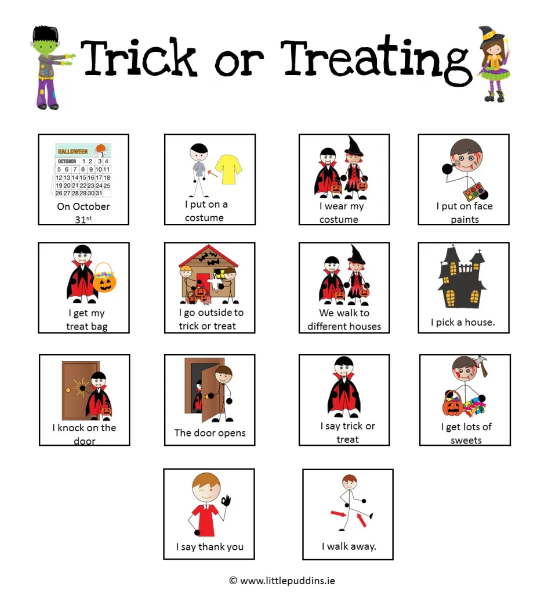
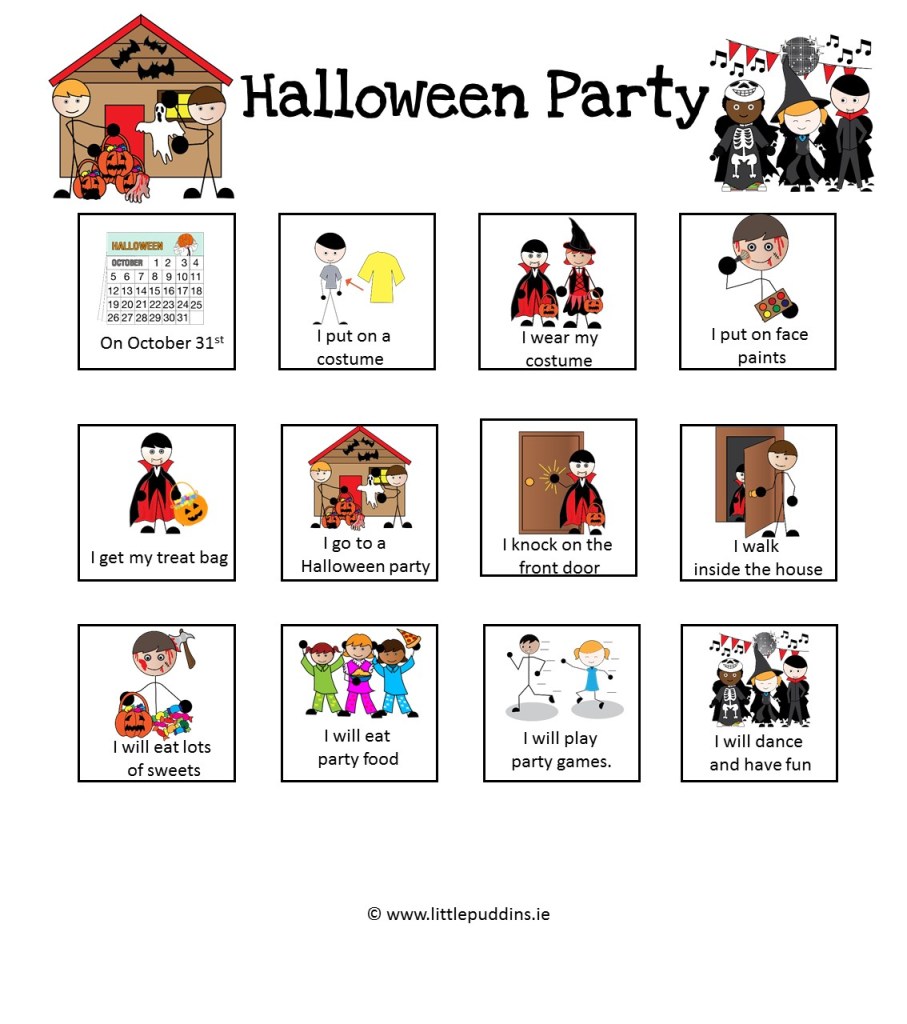
Top tip – Show them examples of different activities. Visual stories are useful for introducing different options for celebrating so they can vote for what they want to do. Try these social stories from Little Puddins:

But, always be flexible – you may need to change plans at short notice to suit your neurodivergent person!


Prepare

Use a countdown in the run up to activities or events – use visual schedules to clearly identify what is happening when.

If dressing up – practice wearing the costume a few times. Consider giving the costume a sensory element (e.g. soft, furry, cosy etc.) or maybe attach a fidget toy to it. Some people like masks to hide behind but others find them constrictive – let your neurodivergent person choose the outfit and how dressed up they want to be. Pinterest is a great source of ideas like these sensory costume suggestions.

Do some role play of the Trick or Treating process. Only make them hold the bucket/bag if they want to and decide together beforehand if they are happy to speak to people or if they want parents/siblings to talk for them.

Top tip – use photos from the internet/social media to show them examples of different costumes they might see when out and about to prepare them for people wearing masks or scary outfits.


Have an exit strategy

We all know that the best laid plans often don’t work out so it’s a good idea to have an exit strategy.

That could be a plan B option if your youngster refuses to do what you previously agreed – a relaxing Halloween craft or making a Halloween themed snack might be more achievable.

If you do make it out and about, then agree a signal for them to give if they start to feel overwhelmed so you know when it’s time to head home or to a quiet place.


Make it fun!

Halloween can be fun in lots of different ways and there is no “right” way to do it.

They might only wear part of a costume or go Trick or Treating to 1 or 2 houses (or just their grandparent’s house!) or watch while you carve the pumpkin. However they choose to take part, celebrate it and enjoy the small successes with them.


No matter what you do this Halloween, you know your family best so choose the best way to take part without stress. And if your neurodivergent person doesn’t want to do anything at all that’s absolutely fine!

Happy Halloween from SensationALL!

*NEW* virtual social group

We’ve been delighted with the success of our virtual services since the pandemic forced us to suspend face-to-face activities. But as a needs led service, we are always looking for ways to improve our programme and respond to input from our attendees.

Therefore, we are delighted to announce that following feedback from our youngsters, we’ve added a brand new social group into the diary – Show & Tell

These weekly sessions are currently FREE OF CHARGE – read on for details of what’s involved…

Show & Tell


He is so engaged that I don’t have to ‘babysit’ him during the call.

It has certainly improved his confidence.

Parent feedback, April 2021

During virtual sessions in 2020, it became apparent that our young service users were relishing the chance to share news or tell each other about their hobbies and interests. It became such an important part of video calls that the idea of a stand-alone Show & Tell group was planted!

The SensationALL team then designed a relaxed, weekly session which uses the Show & Tell format as a way to promote communication and listening skills with each participant encouraged to contribute.

Plus, there are fun activities and challenges to enable each child to practice invaluable social skills such as team work, turn-taking and friendship building.


Who is it for?

Show & Tell is aimed at primary school-age children with support needs who struggle with communication, social interaction or making friends.

Contact us if you would like to discuss your child’s individual needs.

I like it because I get to meet other children and I like the games!

Show & Tell attendee, April 2021

Typical session format

The hour long Show & Tell session follow a semi-structured format with a variety of different activities each week to keep regular attendees interested:

News time – each child gets to share something they’ve done since the last session

Activities & Games – active time to get them moving (such as scavenger hunts and house tours) or team problem solving games (e.g. quizzes or guessing games with pictures, logos or catchphrases)

Weekly challenge – we set a challenge to complete at home before the next session – they can then share how they got on with it during News Time.

Mindful reflection – we finish each session with a positivity and gratitude discussion when each person shares what they enjoyed most.


Benefits for your child

The aim of each session is to provide a safe space for your child to build their confidence in social groups.

We work on:

– improving tolerance towards others (through turn-taking and listening)

– communication skills

– increasing independence

– building positive friendships & relationships


Watch a recent Show & Tell session


Book a place

Sessions are available term time – MONDAYS – 4.30-5.30pm or 6-7pm

Via secure video call.

Booking is essential as group sizes are capped – email info@sensationall.org.uk

Inclusive Play Park for Westhill

The planned car park extension and new playground installation is finally happening!

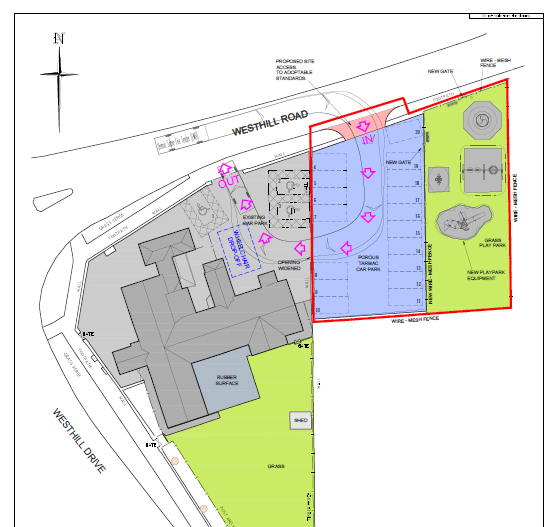
Visitors to the Old Schoolhouse over the last few years will be familiar with the parking constraints caused by the small onsite car park. Addressing this issue has been one of our key priorities following the completion of the Community Asset Transfer for the building and grounds in 2019 as, ensuring the safety of our families and visitors is vital. At the same time, there was an opportunity to create a fully inclusive space for ALL in the adjoining play park – the first of it’s kind in Westhill.

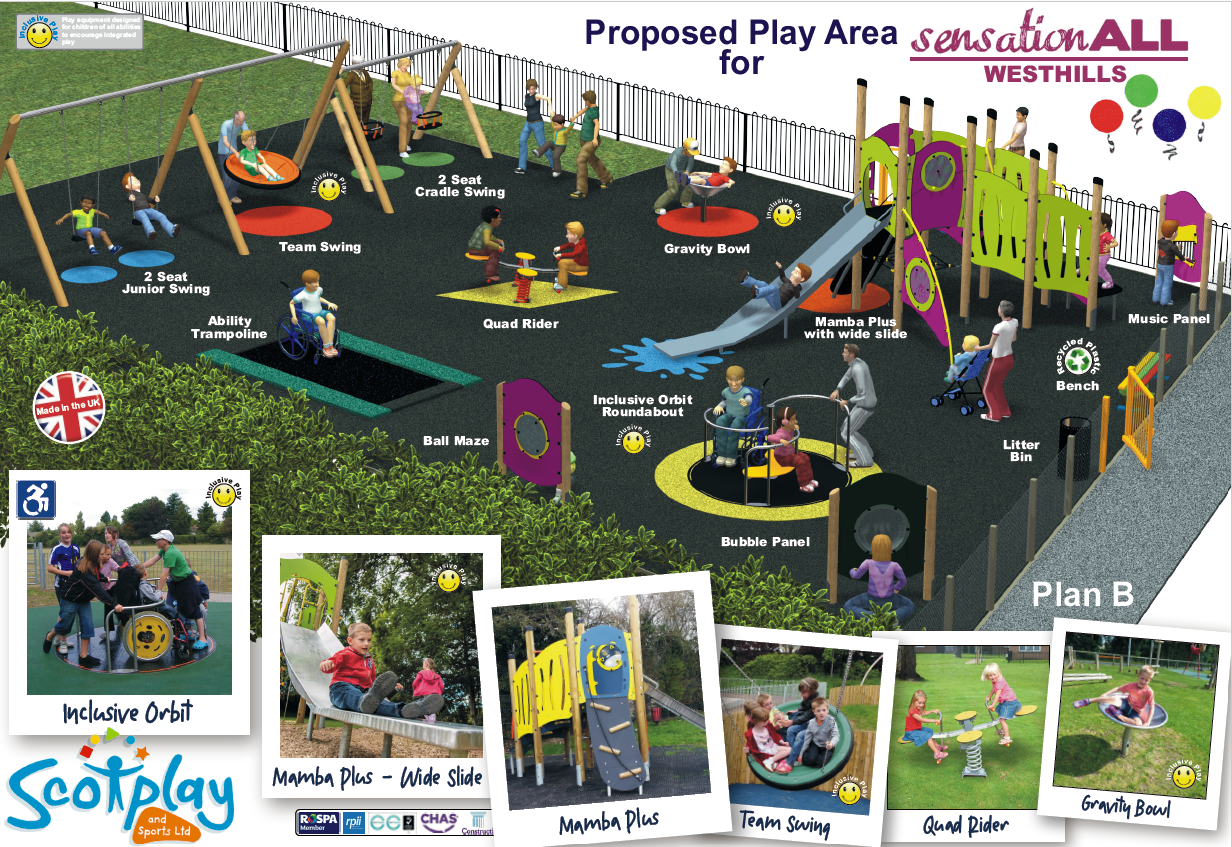
Over the last 18 months, our team have been carefully planning the upgrade of the outdated play park on Westhill Road. We worked with play equipment experts to create a design that offers something for all abilities and makes the most of the footprint. The carefully selected items include a sensory play frame with slide, swings for all ages and abilities as well as a wheelchair accessible trampoline and roundabout.


We are so excited to see work begin – the play park is going to be a fantastic asset to both our charity and Westhill!

Suz Strachan, Service Manager and Co-Founder

The design has also focused on retaining some open green space so families can enjoy picnics and children can play freely. The new park area will be surrounded by fencing to ensure it is a secure space, safe for children to run and explore.

Meanwhile, the car park extension will allow up to 20 vehicles to park onsite, massively improving safety for visitors to the Old Schoolhouse who previously had to park on the roadside. This will also reduce traffic congestion and inconvenience to our neighbours.

The new entrance to the car park from Westhill Road allows for one-way traffic flow to reduce the risk to pedestrians from turning vehicles.

While a designated drop off point has been created specifically to accommodate minibuses or larger vehicles.

Finally, the original car park area will be reserved for those requiring disabled access and larger parking bays.

With the project costing over £147,000 the task of securing the funding in the last year has been challenging and we feel extremely grateful that despite the pandemic so many organisations have pledged their support.

Special thanks go to our main donors – The Wooden Spoon Charity who are funding the majority of the play equipment costs and Aberdeenshire Council who have awarded us a large grant from their Developers Obligations Fund.

Our contributors:

We would also like to thank Fairhurst and our former Chair, Bob McCracken who were instrumental in making this project a reality. Thanks finally to Nicol of Skene for all their help and assistance.

In the future, we hope to add more elements to the park such as sensory panels – we’d love to hear from you if you have suggestions on what else you’d like in the park please get in touch!

Follow our Facebook page for more updates on the progress of the construction.


For all press or media enquiries please contact info@sensationall.org.uk

SensationALL support

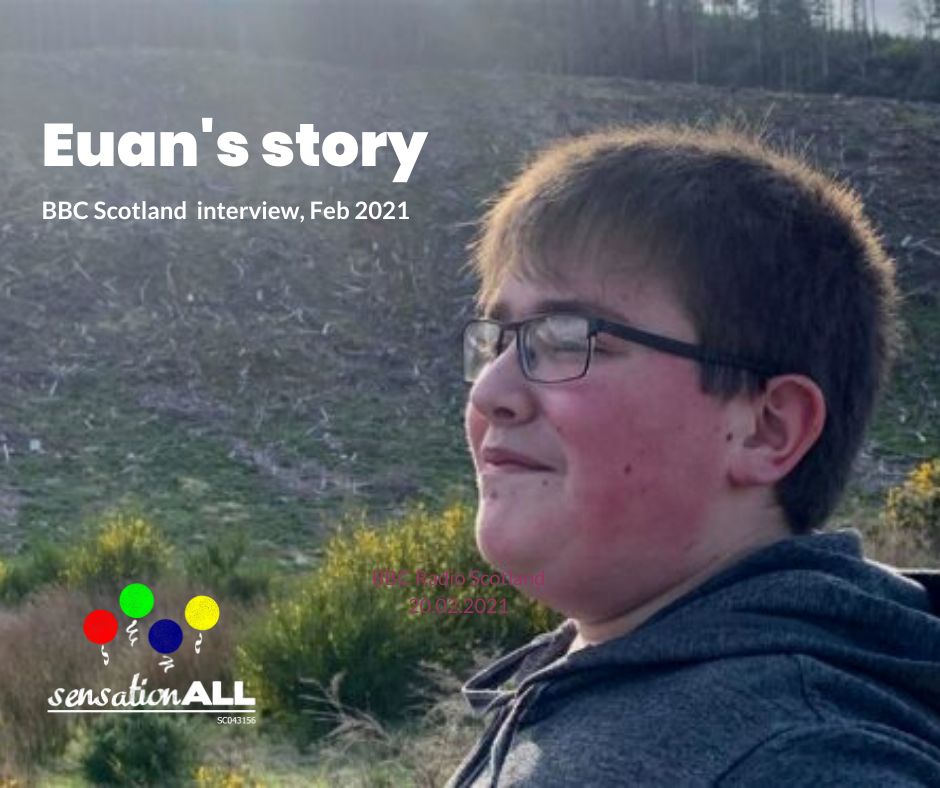
Recently, one of our amazing teens, Euan Gray was brave enough to tell his story to BBC Radio Scotland’s Michelle McManus.

Listen below to him talk about the difference that SensationALL made

SensationALL support for girls

This Autism Awareness Week (1st-7th April 2019) we are highlighting the positive impact SensationALL’s groups have on individuals with multiple support needs. In particular, we want to shout about the work we do with young girls who are pre or post diagnosis…

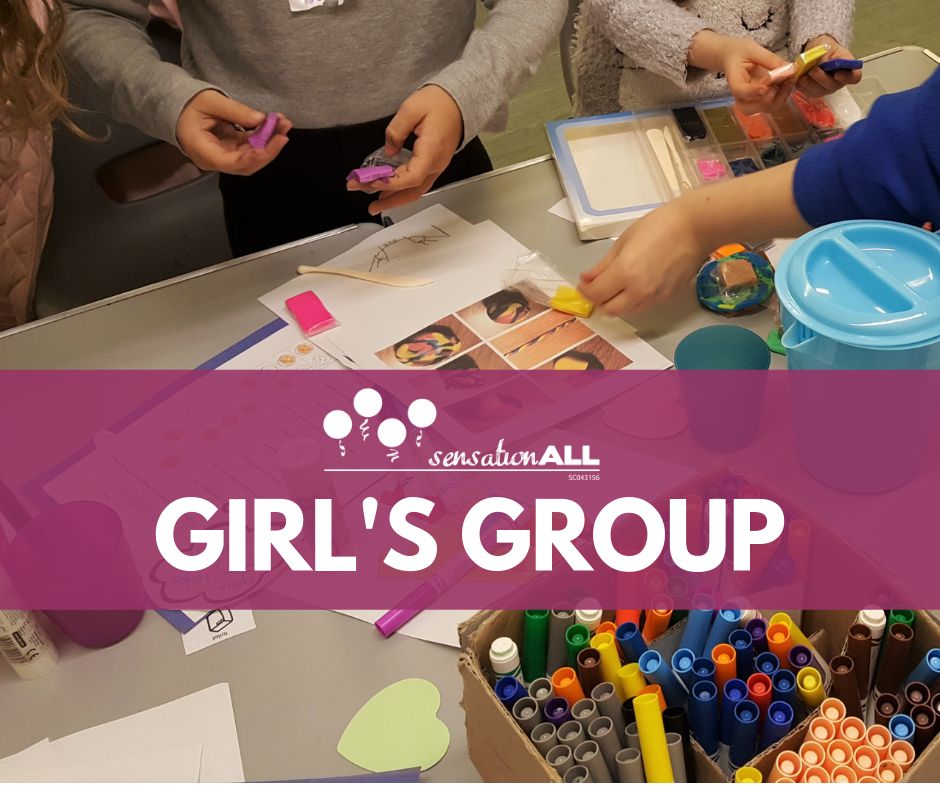
SensationALL Girl’s Group 

It’s well documented that it is much harder to diagnose Autism in girls so, at SensationALL we made it our aim to ensure that no young girls with suspected support needs are left in “limbo land” whilst seeking a diagnosis.

Our Girl’s Group programme was created for the growing number of young girls who need our help to address difficulties with anxiety, social interaction, communication and building relationships.

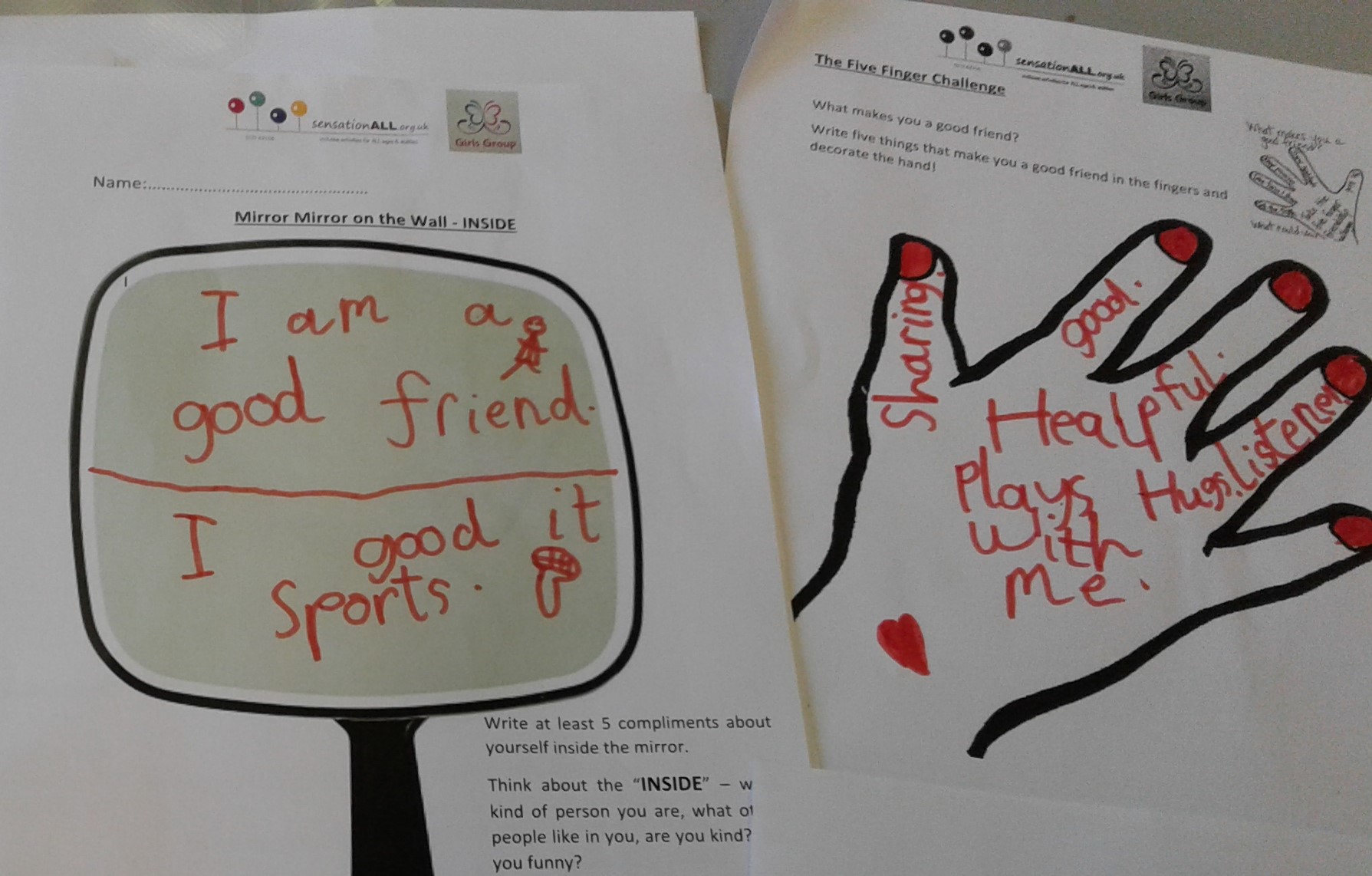
Our team of practitioners have designed each session to include topical discussions and practical tasks that are fun, whilst teaching invaluable de-stressing and coping strategies. Each week they use expressive materials to practice and reflect on their new skills.

The girls are encouraged to build friendships and work together which improves their confidence and boosts self-esteem. 


We are here for you! If you are a parent of a girl with Autism or suspected support needs who is over-

whelmed and struggling with life at school or home. SensationALL is a safe place where your daughter can be herself.

The next block of Girl’s Group starts on 23rd April.  Contact us to express an interest!

And check out this fantastic video from Carrie Grant who is a mum to children with Autism – its brilliant to hear girls’ perspectives…


Make your own ‘SensationALL’ sensory story

To celebrate World Book Day (Thursday 7th March) we thought we’d share with you our top tips for making a DIY sensory story!

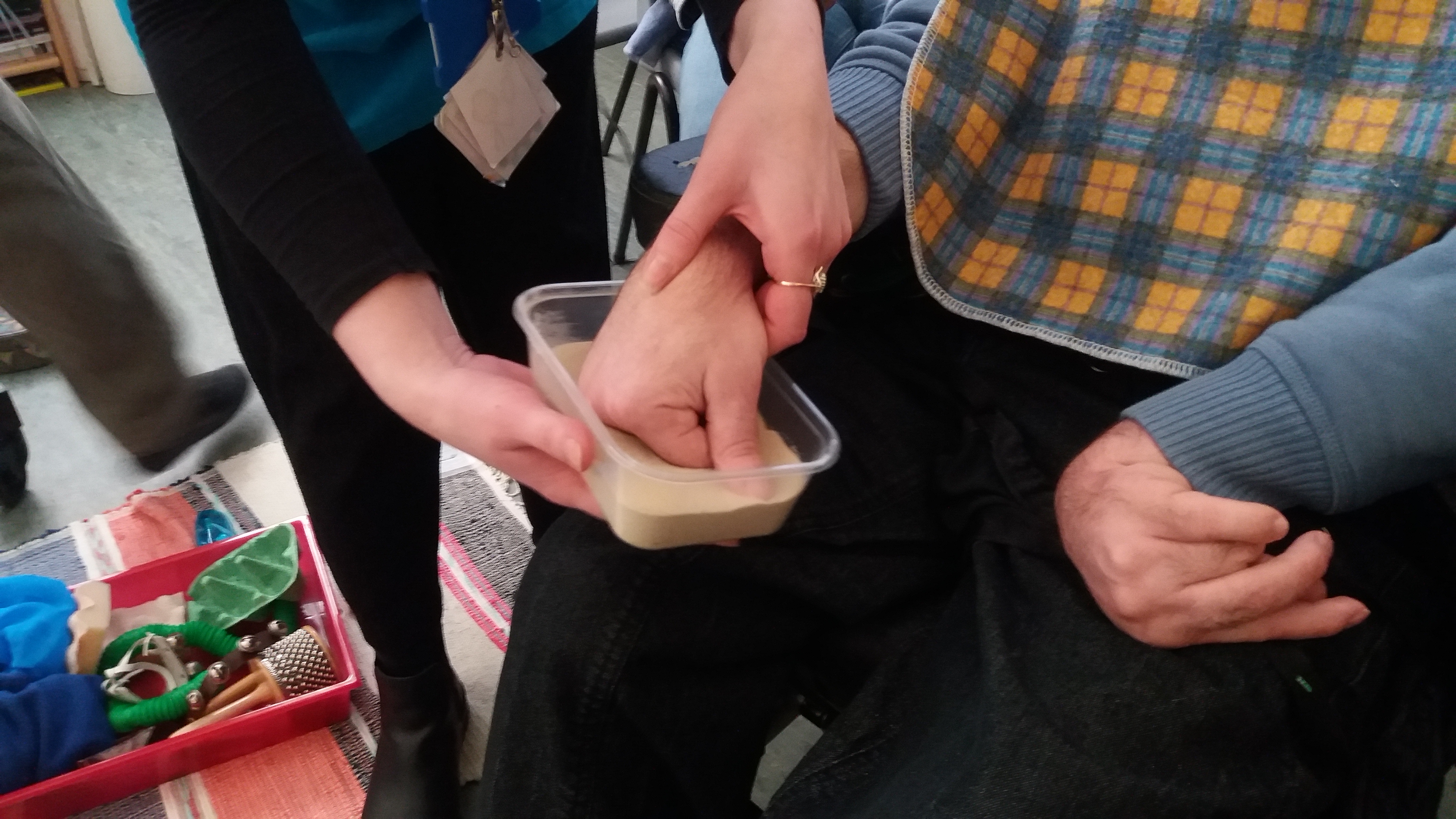
The benefits of sensory stories for individuals with multiple support needs are endless – they help capture their imagination, introduce new sensory experiences, develop language and social interaction. That’s why we use them in many of our groups here at SensationALL, for both children and adults.

To make your own sensory story at home follow these simple steps:

  1. Choose a book, story or theme that you like
  2. Keep it brief – shorten the story and simplify if necessary
  3. Keywords – think about who/what/where/doing words
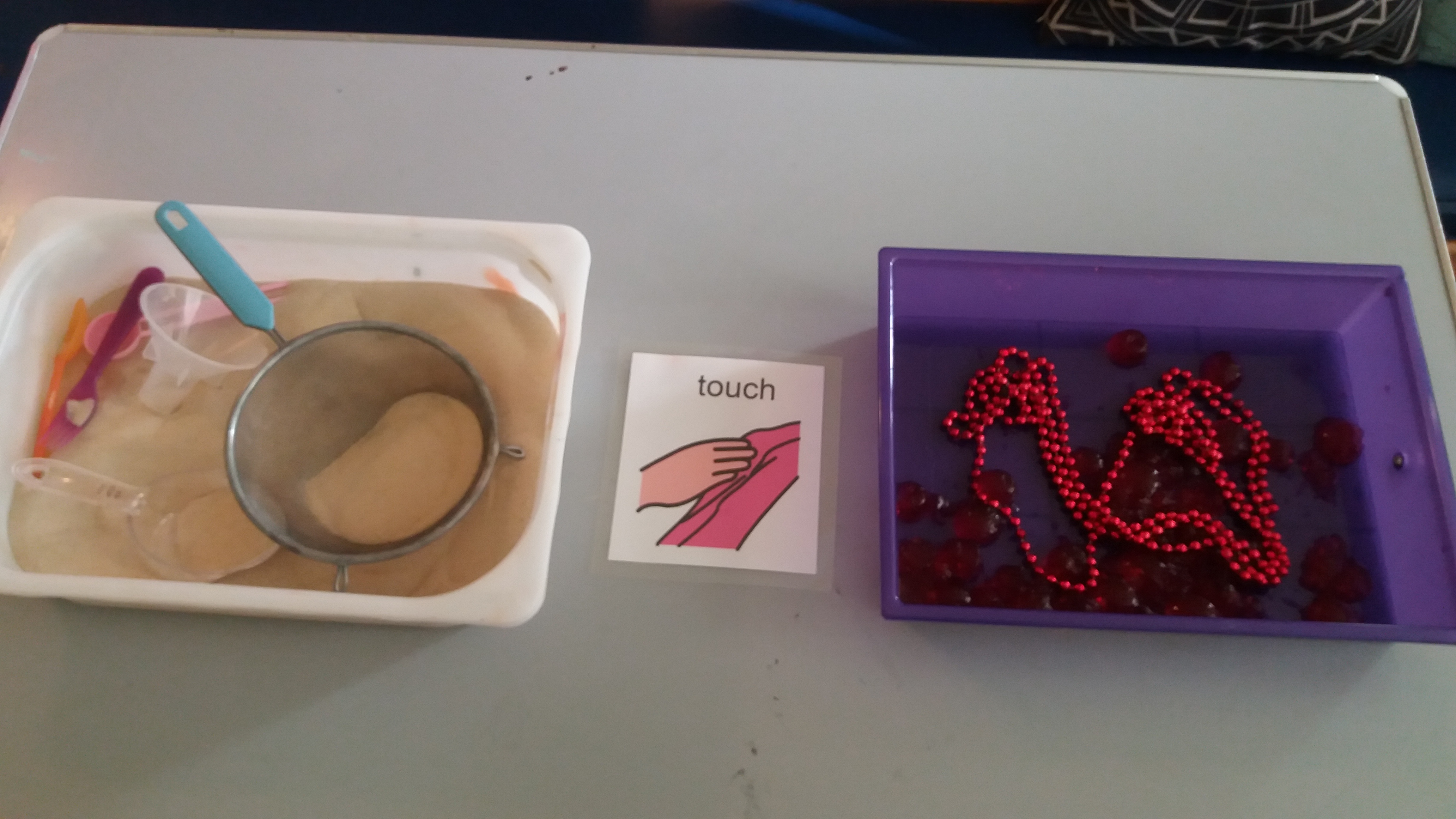
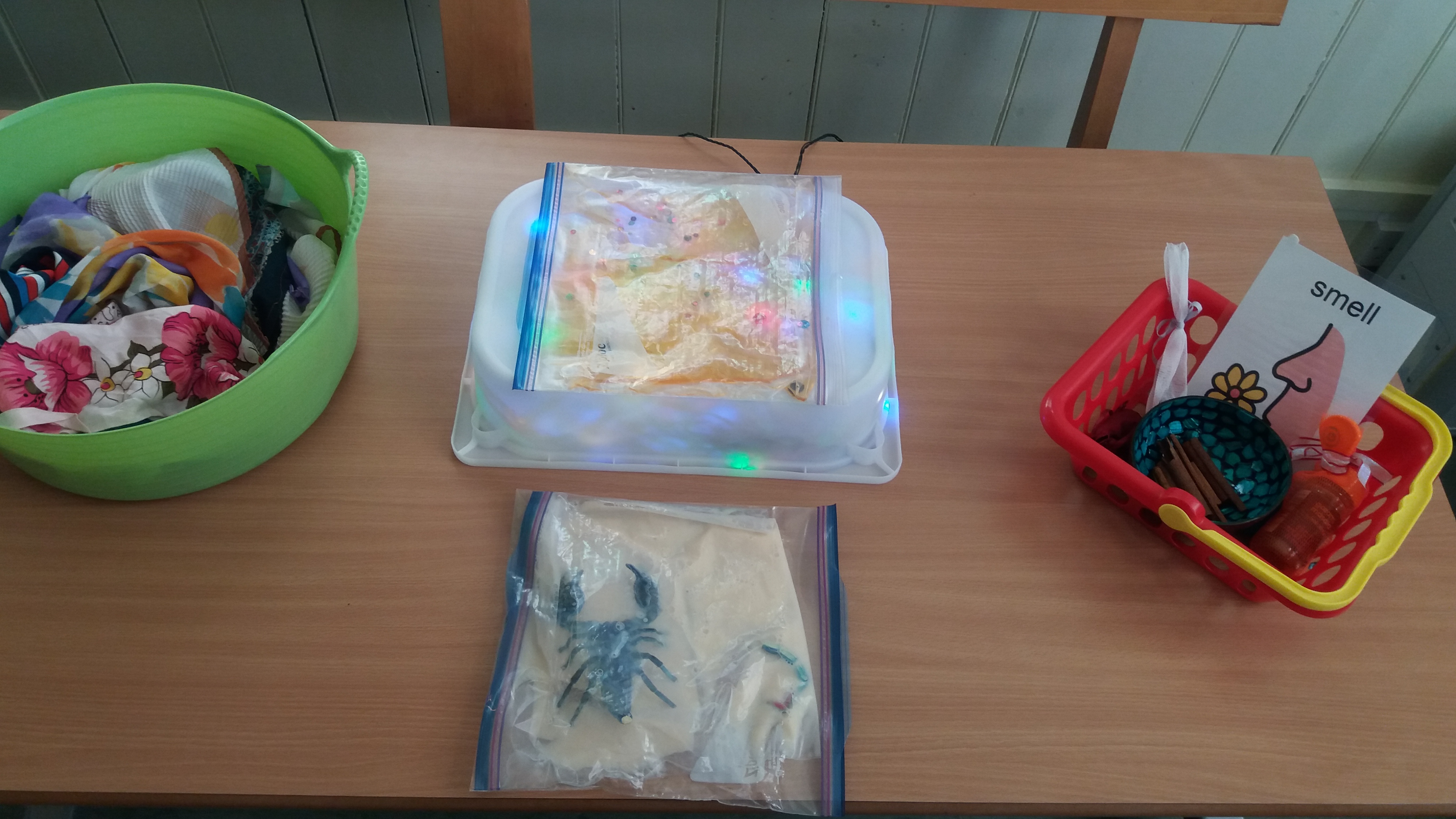
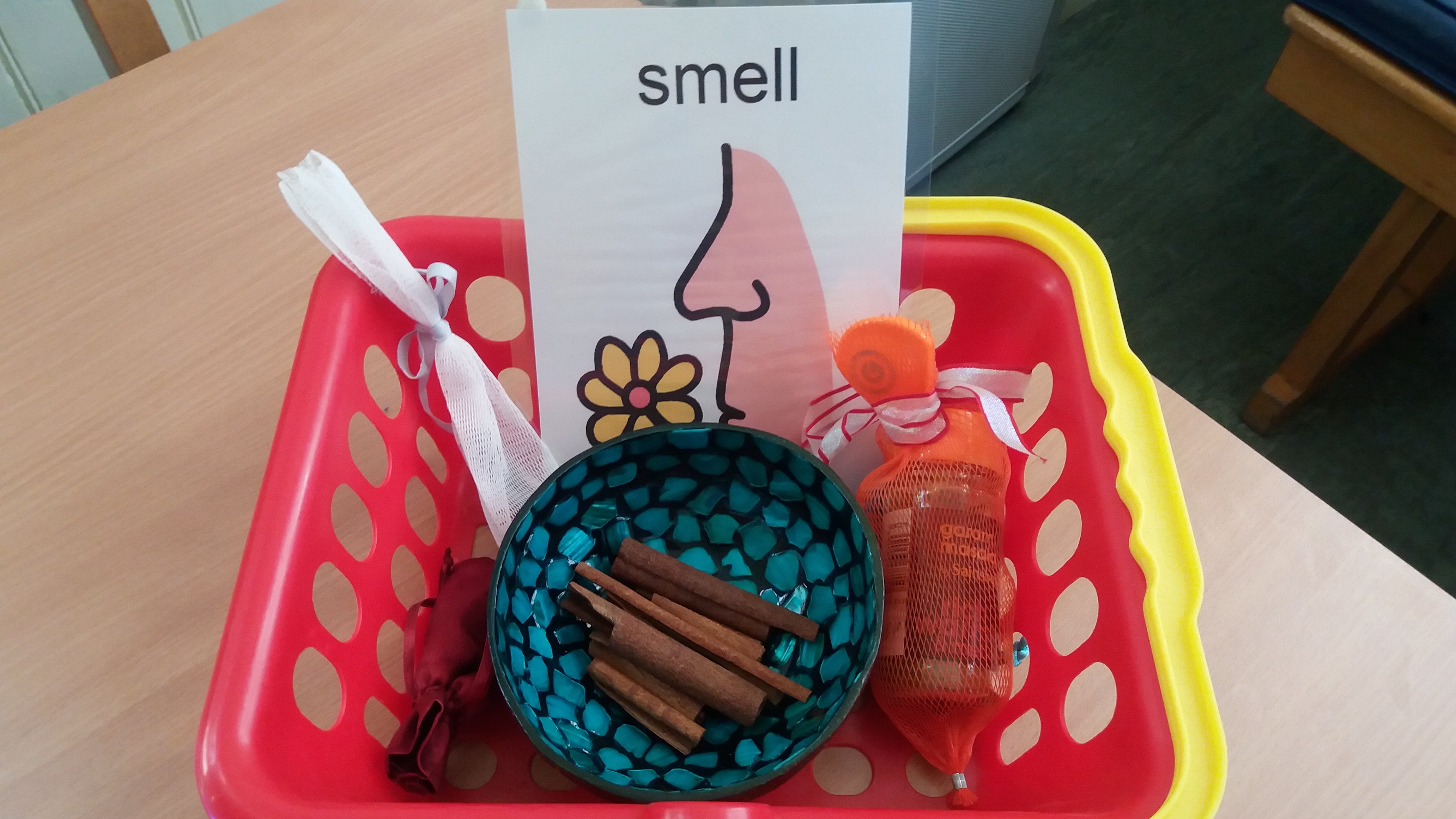
  4. Use props – think about turning the key words into physical objects – things to touch and smell
  5. Noise – use sounds as much as possible such as songs and clapping. Actions and Makaton signs are also really useful
  6. Be imaginative – don’t worry if your prop isn’t literal, be inventive and creative 
  7. Have fun! Most important thing is to enjoy the journey the story takes you on

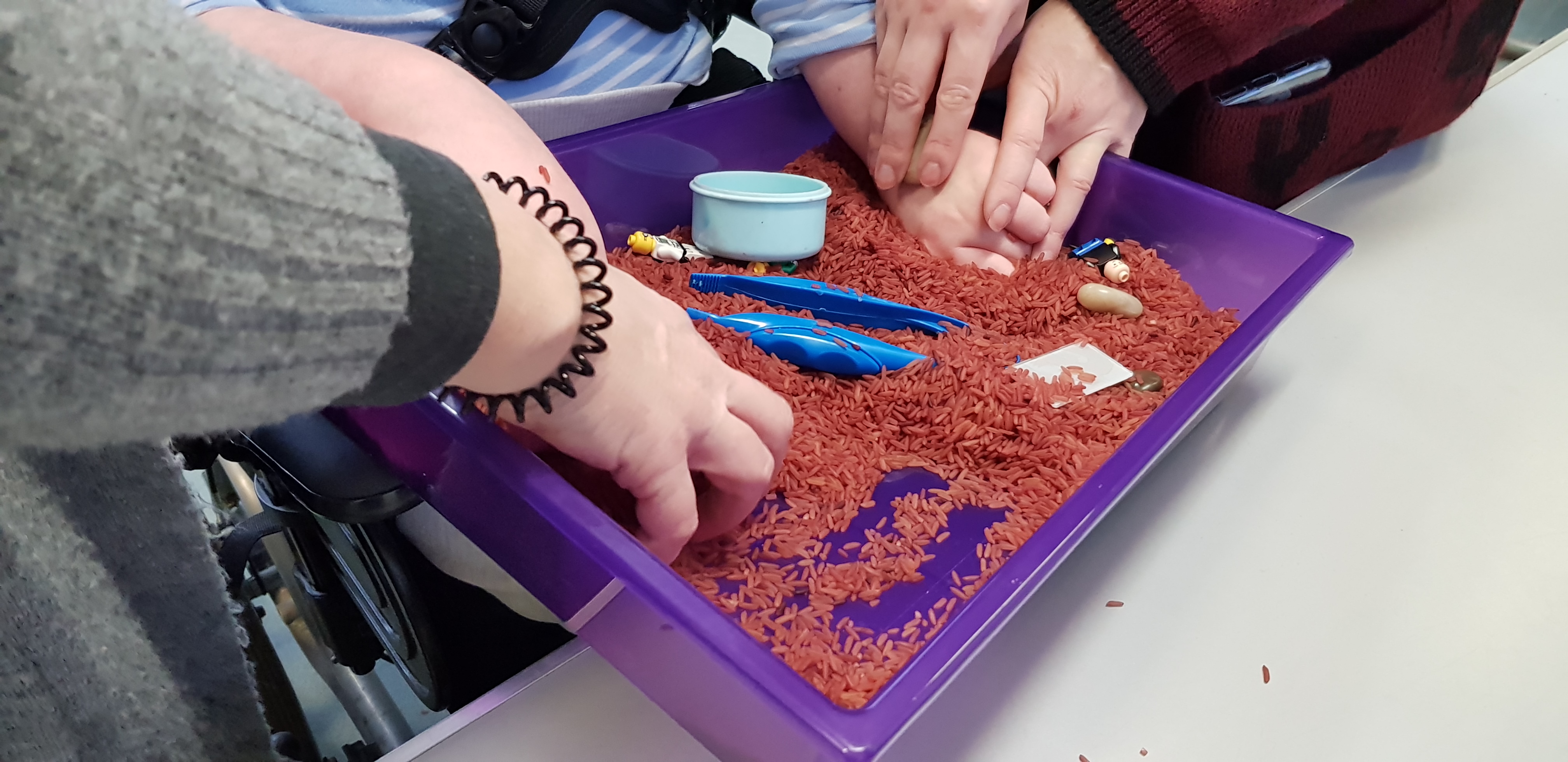
Here are some of the items we used in recent sensory stories…

SensationALL top tips for Christmas

For most people Christmas is an exciting time but it usually means a change in routine which, for families with multiple support needs (MSN) can be upsetting and disruptive. Not to mention all the additional sensory experiences such as Christmas lights, music and scents which can be overwhelming.

To help our MSN families, the SensationALL team have shared some top tips to make Christmas a fun experience for everyone:

  • CALENDAR – mark off days with no school or other meaningful words or symbols. Highlight Christmas day and first day back to school.
  • Use a SCHEDULE or checklist to indicate what activities will be completed during the day. Use visuals/symbols to suit individual communication.
  • Plan activities for ENERGY BURNING such as a trip to the park on the swings, inclusive sessions at trampoline park or soft play. Or play indoor games such as hide and seek or a treasure hunt.
  • Build in BREAK TIMES to help with relaxation as well, have a quiet space away from the overwhelming aspects of Christmas. This could be a space with no music and low lighting such as a tent or den in quiet space in the house. Or use relaxation music and calming scents like lavender. You could also use deep pressure such as massage or heavy blankets as a calming strategy.
  • Have your OWN VERSION OF CHRISTMAS – do whatever works best for you, don’t feel you have to conform to tradition or what everyone else is doing! If your child doesn’t want too many presents keep them for the days following Christmas or if they don’t want presents wrapped maybe just use a gift bag. Have what you want for dinner or what you know your person with MSN will eat. Try having a taster of the Christmas meal on small plates to try to reduce stress over different/new foods and textures.
  • Take CALMING RESOURCES such as noise cancelling headphones with or without music or distraction aids such as fidget spinners or bubbles. You may have to allow for a reduced level of tolerance of new, challenging or sensory demanding situations. Some of strategies from our Chill-oot! and Girl’s Groups are perfect e.g. glitter sensory bottles are a fantastic coping tool to support emotional regulation. To make these simply add glue and glitter with warm water to a clear plastic bottle; watch as the glitter slowly swirls with the water. Other great ideas for easy to make coping strategies can be found on Pinterest.
  • SENSORY STORIES – A Christmas themed social story can help to explain the festive season – you can even write your own personalised story, check out this useful guide.

We also can’t forget that this time of year can be equally challenging for siblings as they may have to modify their own excitement or even make sacrifices to suit their siblings with MSN. However, there are simple things you can do to make sure they don’t miss out on the festive feeling; watch a Christmas movie together, do some Christmas baking, have a Christmas shopping trip – most importantly plan some 1-to-1 time for them with a parent. A present or specially created message from their sibling might be appreciated too.

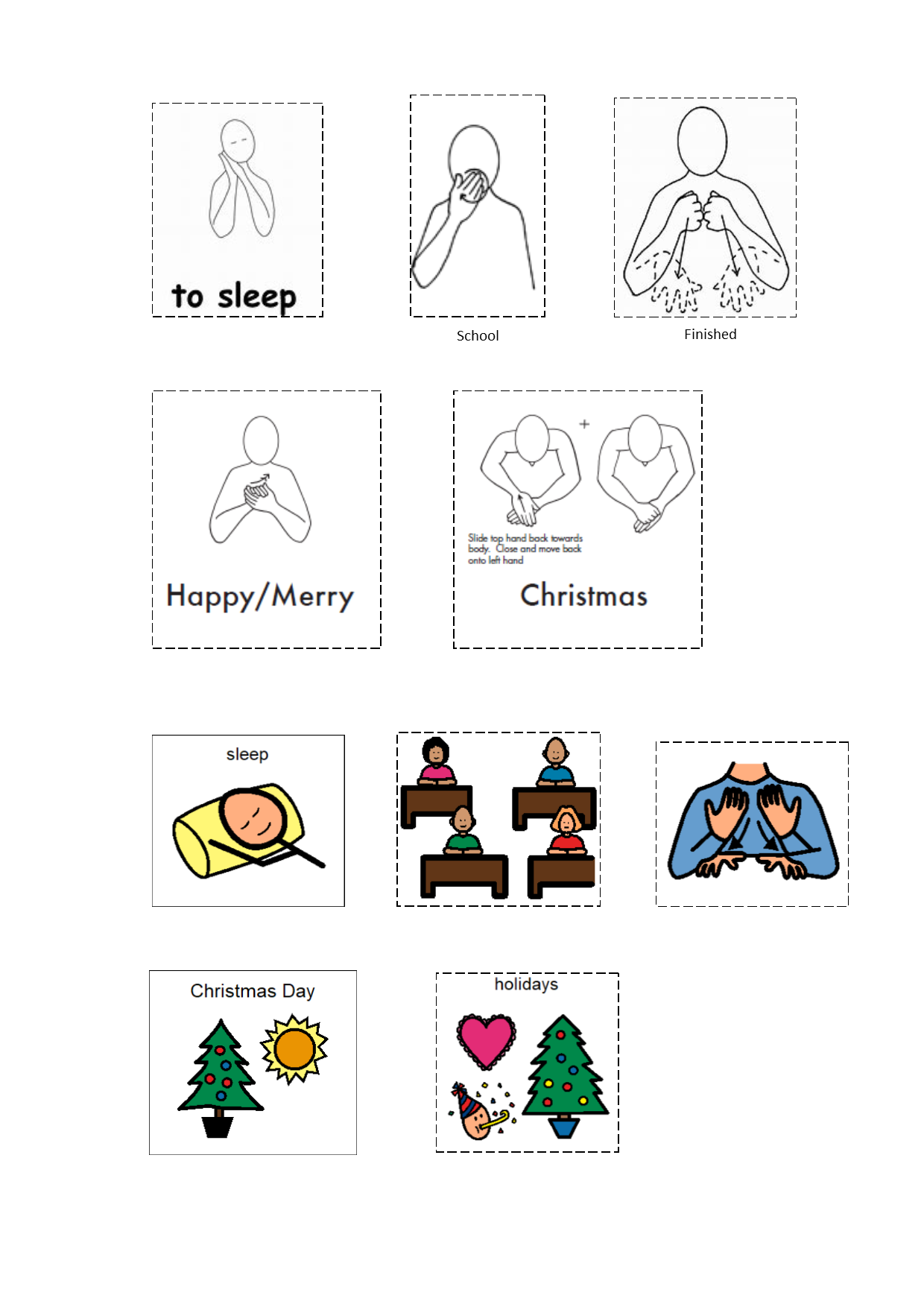
Here are some useful visuals which can be used in the techniques above, as well as December and January calendar sheets for printing to stick the symbols on.

We hope you all have a relaxed, magical time this Christmas!