Surviving the summer holidays

For those of us with school aged youngsters, the summer holidays can present a daunting period of several weeks when we’re out of normal routine which is particularly hard to navigate for individuals with neurodivergent conditions.

Many families living with neurodivergent or complex conditions can’t access or enjoy the same holidays or events as those with neurotypical youngsters and we understand that finding opportunities to suited to your families needs is difficult.

We are here to support you with our 8 top practical tips and some useful resources to make your summer a little bit easier…

Give structure to unstructured time! Youngsters are used to the daily timetable that comes with school, from leaving the house on time to set mealtimes and designated playtime and for most neurodivergent children, routine = comfort and safety.

To ease the transition to holidays, it can be vital to keep some level of routine so your young person will understand what is expected of them at different points of the day/week.

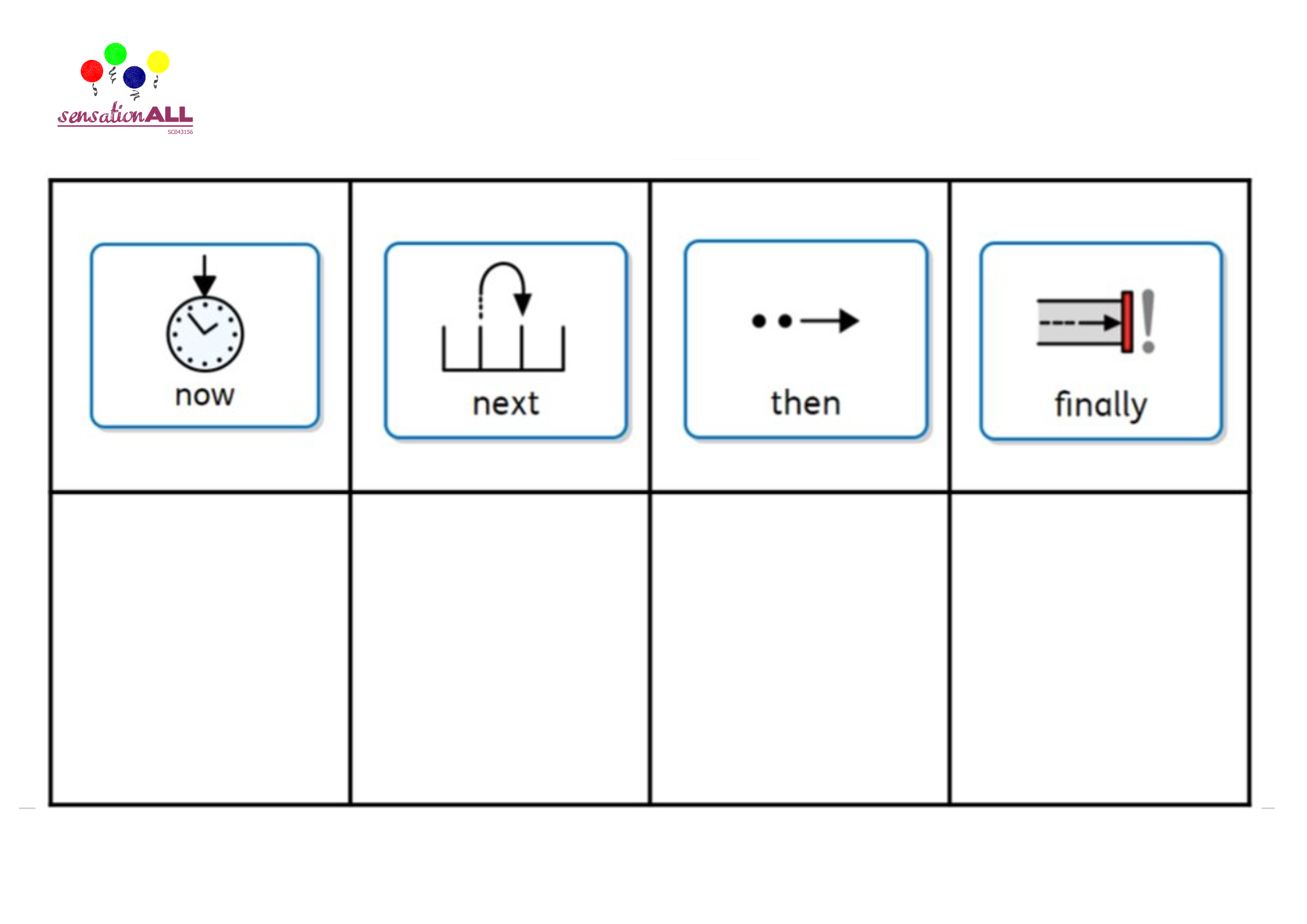
Create structure by using a visual timetable or chatting through the day’s plans in advance, a visual family calendar is a great way to plan out the week or even the month. At SensationALL, we regularly use ‘now and next’ boards to clearly communicate with youngsters e.g. “now we are playing in the garden, next we will go to the shop“.

It’s important to build in their choices (even if it’s from your shortlist), to promote a sense of involvement and control for them. Just remember, your routine should reflect what works well for you and your family.

Here are some templates you can print to create your routine…
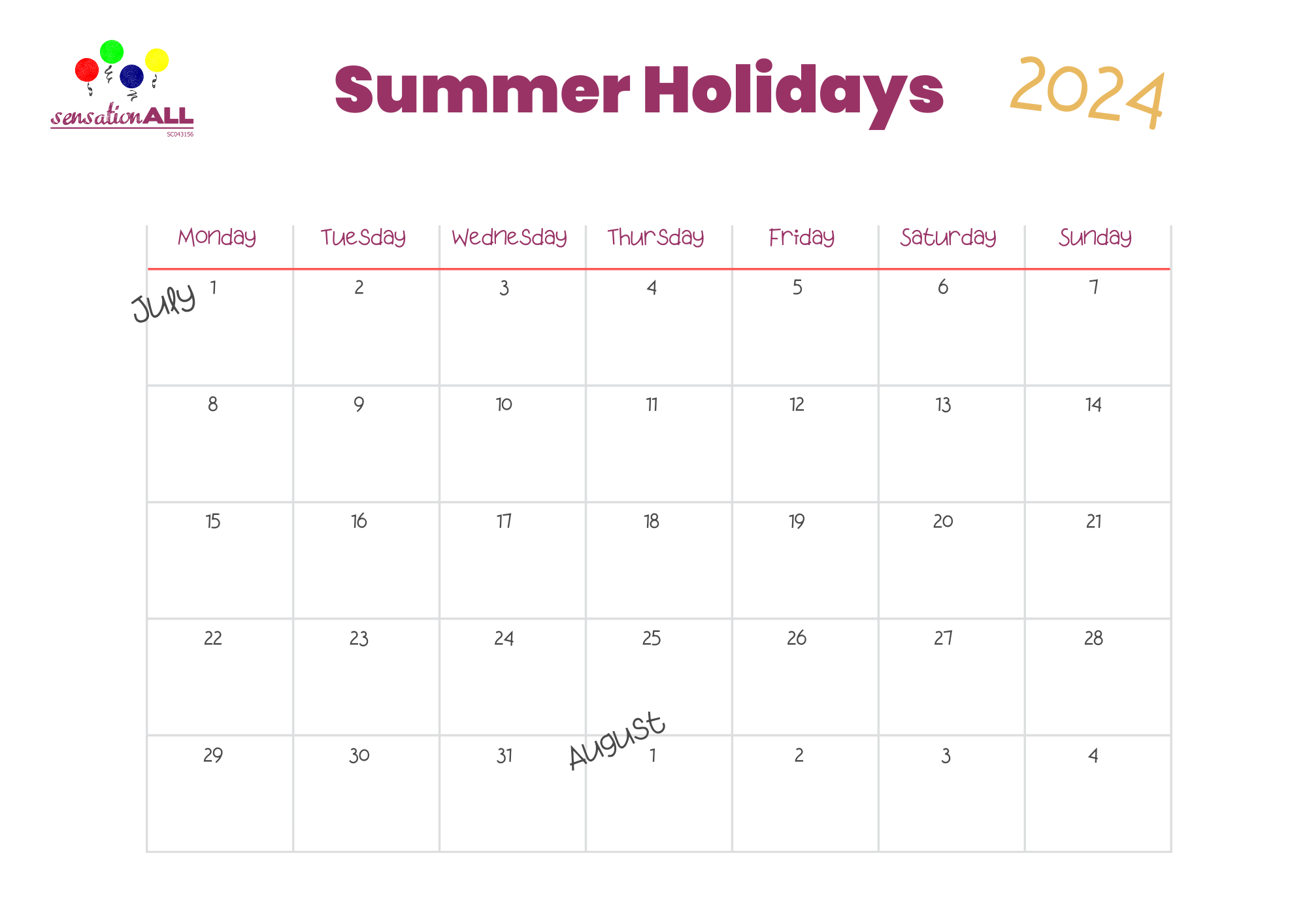
July calendar template
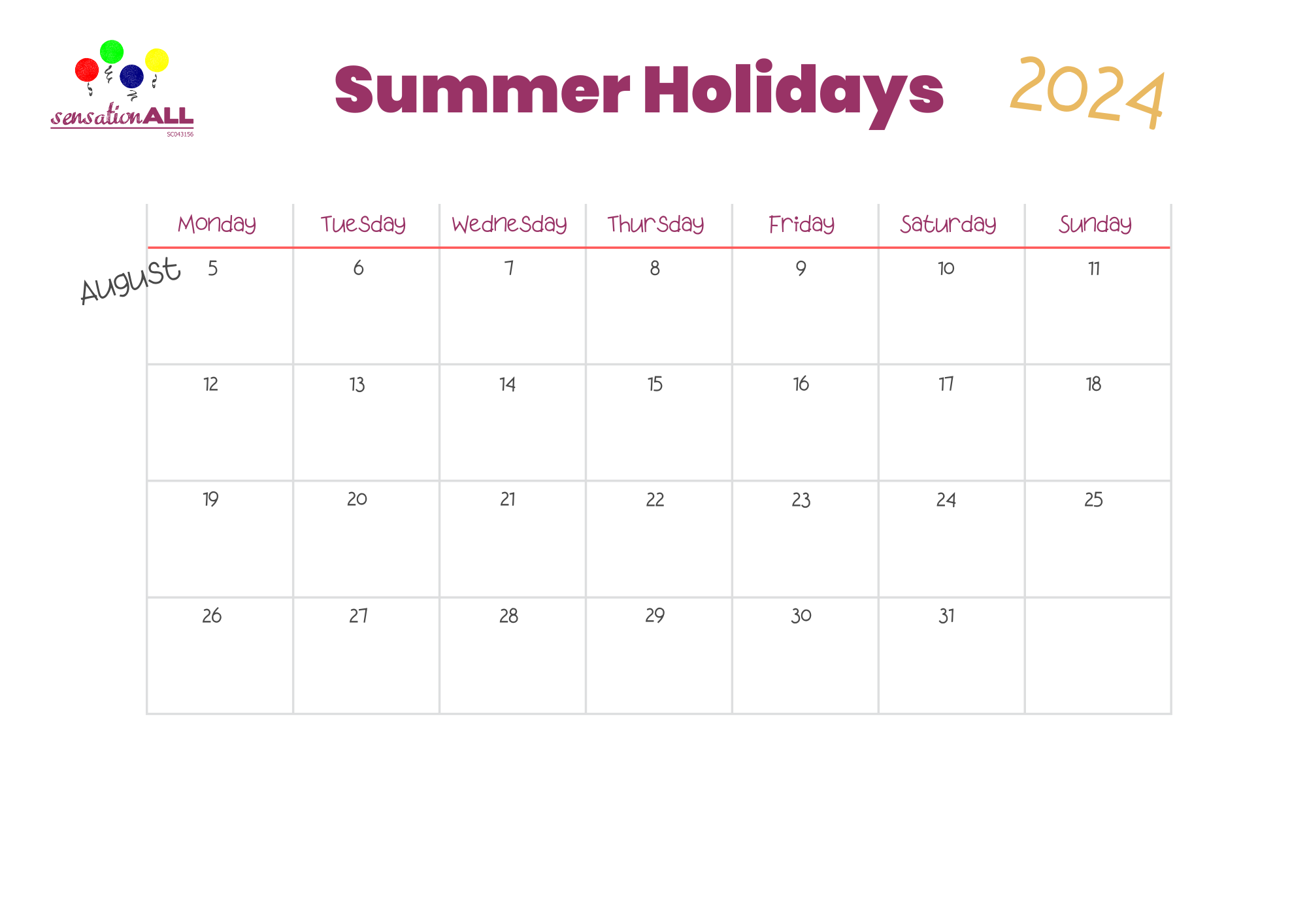
August calendar template
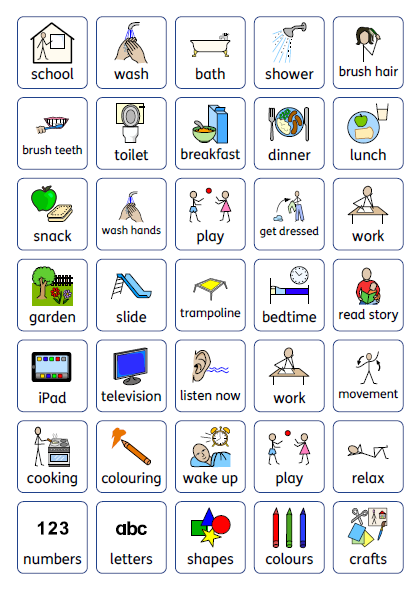
Activity Visuals
Now/Next planner template

Expectations of what the day/holiday will be like often sets us up for failure. Remember, the perfect day is different for everyone!

It’s so hard not to compare yourself to others and aim for what society expects you to do during the summer holidays. The small talk at the school gates can evoke anxiety and even disappointment about your plans… “you going away this year?”, “planning to take the kids to [insert name of popular event/play facility]?” Aaargh!!

The best way to overcome those feelings is by being realistic about your family’s boundaries and adapting your plans to suit. Expect multiple changes throughout the holidays (to diet, sleep, behaviour) as emotions will fluctuate with daily changes in activities and routines. Be flexible – if something isn’t going to plan, change the plan!

Our adult expectations of the “perfect” family day are often unrealistic – be kind to yourself by avoiding unnecessary expectations. Why force yourself to go abroad or be in busy environments if the stress is going to be too much. Your youngster will have a better time if the experience is relaxed and fun – they don’t remember the small details that we do. And, don’t feel bad if your plans aren’t as elaborate or busy as other families – your version of an ideal day is enough!!!

Make your plans together as a family, so everyone can suggest an activity they’d like to do during the holidays – picnics, trips to the local park, having a movie afternoon – whatever they like doing! This will give them a sense of control while empowering their sense of self as their interests and preferences bring comfort and stability.

Every child is unique and will present differently with individual needs. You are the expert when it comes to your child, so don’t compare with others do what’s right for you your child and your family. Keep using any strategies that work in term-time.

Make sure to include time for relaxing or downtime as it can be tempting to have fill the days with activities and adventures but often this is overwhelming for both them and us. Maybe alternate activity days with low key days at home. The odd PJ day is a great idea!

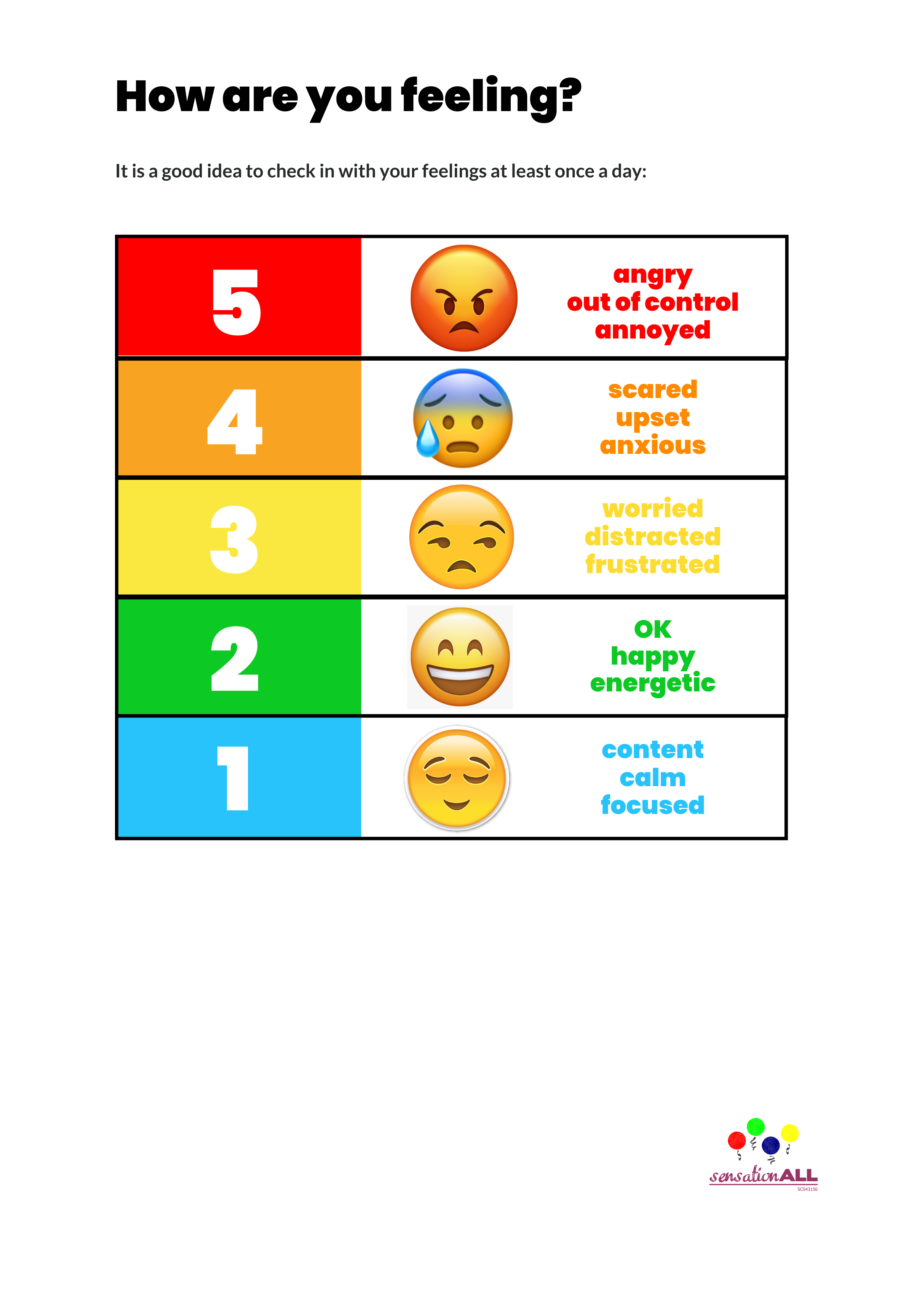
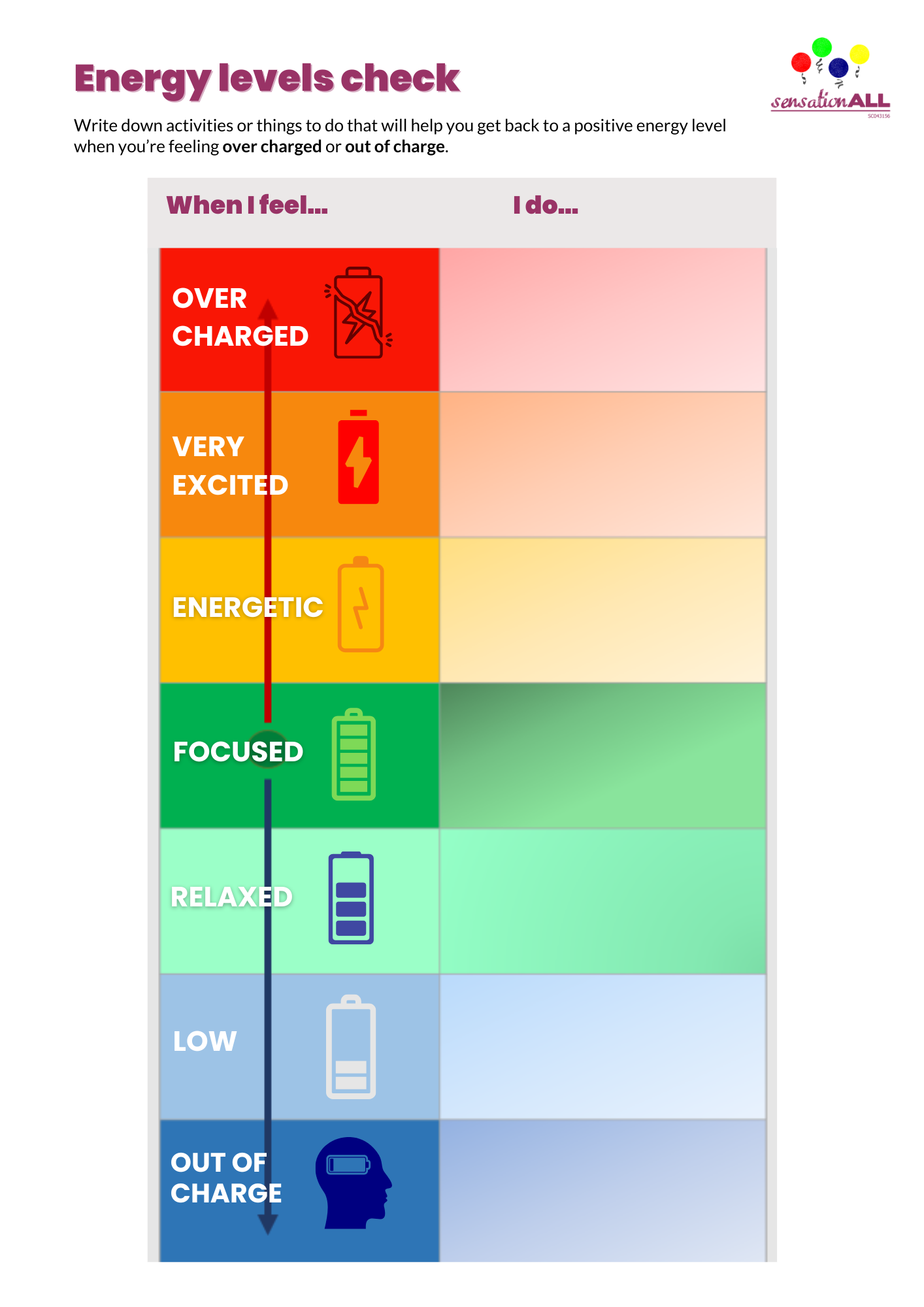
Use our Energy Ladders templates to manage everyone’s emotions throughout the holidays. Why not create a personalised one for each member of the family so everyone can use it to communicate and highlight what they need.
Do some role-play if you are going on holiday or having days out as it can be overwhelming for our individuals if they don’t know what an event/place may be like, or what will happen when they get there.

Many venues have video walk-through’s/photos or generic scenarios can be found online to watch beforehand. Making a checklist of expectations (to mark off as they happen) can be a good way of manage expectations. Role-playing the event helps to prepare them, e.g. pretending you’re in the airport, going through customs, pretend to scan the suitcase etc.

Remember to COMMUNICATE! One of the biggest causes of anxiety is the unknown. Chat through the day’s plan, talk about feelings about an event, use visuals to communicate (could be photos on your phone, symbols or hand drawn pictures, checklists, schedules, coping strategy cards etc.). Communicate as a family, chatting through concerns, needs and expectations as a group “what shall we do if“… to help each family member feel prepared.

Many places, events, and businesses will have accommodations for those with additional needs or neurodivergent conditions but sometimes they aren’t obvious and too often we feel embarrassed or afraid to ask.

Lots of venues provide free carer places or sensory kits/visual guides and there may be quieter routes/areas you can access. Wearing a sunflower lanyard can be helpful to alert staff to your family’s possible support needs, and can even reduce waiting times or the need to queue.

Constantly thinking of our child’s needs can be exhausting! Often we are surviving on little sleep, or virtually no respite from our caring roles. It’s vital that you take care of you too!

Say ‘no’ to things that will overstretch you. Ask for support from others (a partner, relative or friend) who can watch the children while you have a shopping trip, walk or drive by yourself – whatever you need to stay sane!

Find your Tribe! Never forget… you are part of a wider parenting ‘tribe’ of families going through similar things who are also desperate for company.

Reach out to a friend, message a social media group chat, or email us at SensationALL. It’s highly likely someone else will be up for that trip to the park or be available for a coffee and chat. Support from others on outings can make or break the trip.

Even though SensationALL’s sessions fill up quickly, our network of families are always available via the Facebook forum!

Sensory activities and toys are great for keeping youngsters regulated. Never leave home without a sensory bag of tricks containing their favourite fidgets or comforters.

Build a mix of high and low energy activities into your schedule so to manage periods when they are feeling over or under stimulated. Active calming exercises like obstacle courses, skipping, running or bouncing are perfect for those with excess energy. While it’s a great idea to keep a selection of calming activities in reserve for whenever you need them to stay indoors or bring their energy down.

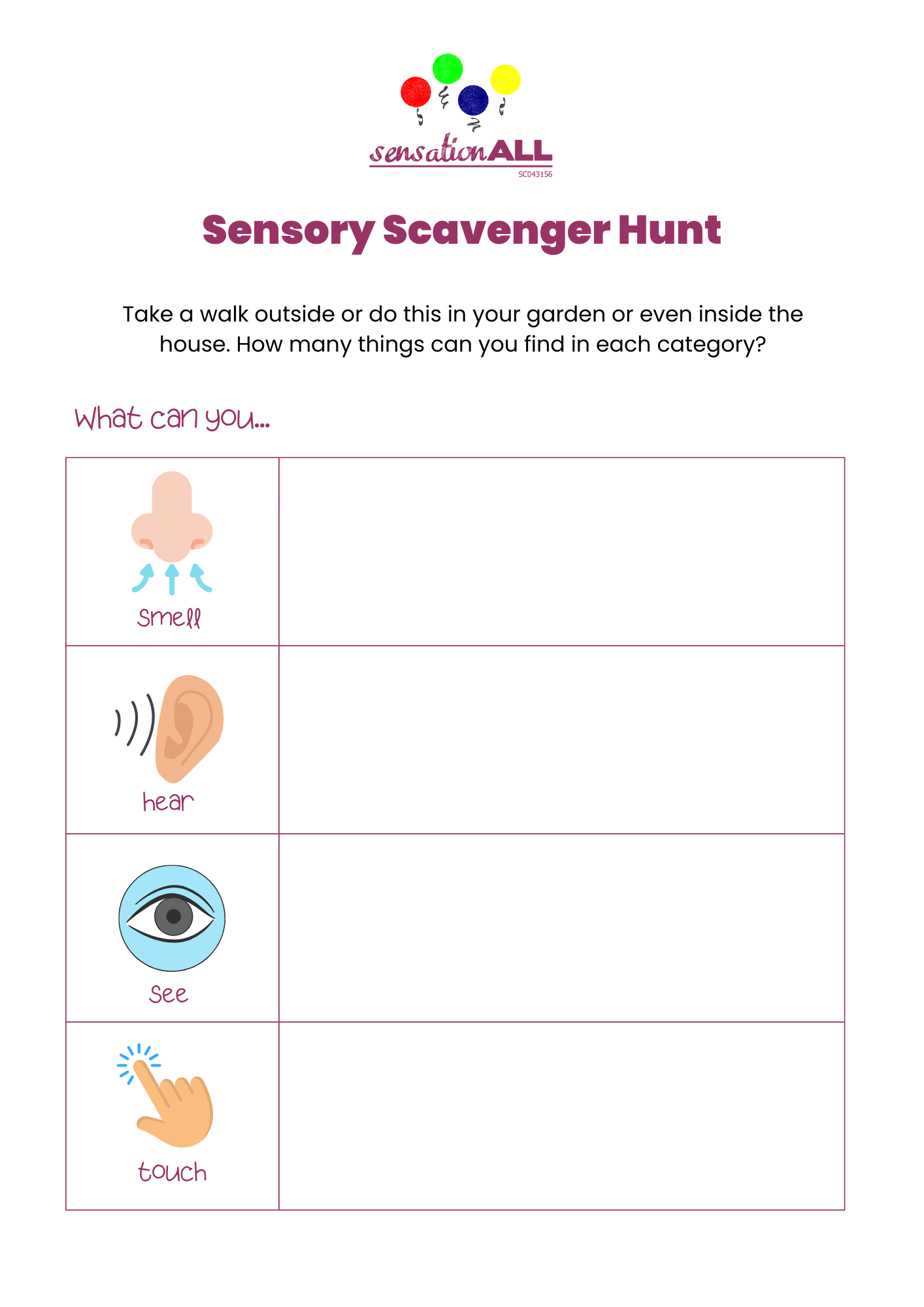
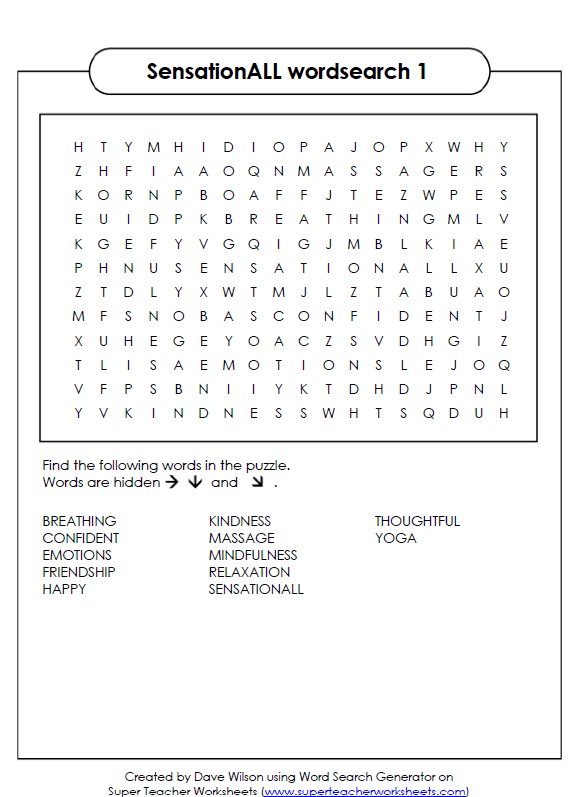
Here are some of our SensationALL sensory activities that can easily be done at home. There’s things to make, bake and feel great with high energy activities like the scavenger hunt (perfect to keep youngsters focused on a task while you’re out and about) or the lower energy word search which is great for those who find cognitive exercises relaxing…
It may seem like a long time away but keep focused on the return to school as, it will present yet ANOTHER change for youngsters who have probably just got used to the holiday routine.

A few weeks before school restarts, why not deliberately drive or walk past the school or go to the school playground. Use the calendar to have a countdown so it’s clear how many days there are before school starts.

Why not make the back-to-school shopping a fun activity they can be part of? Going into shops might not be possible but get them to choose their new school bag or lunchbox online so they feel involved.

For older children, use what you know about their new schedule, classes, peers to prepare them for the transition to a new class or school. Stay positive by highlighting the things they like about school and emphasise opportunities that a new year presents i.e. better school lunches, more variety of classes etc. The week before school it can be really helpful to get back into the early morning routines (for us as well as them!).

Top Tips For A Happy Halloween

3 children and 1 adult dressed up for Halloween

At SensationALL, we know that Halloween is one of the events in the year that divides people as, while it is a fun celebration for most, many families living with neurodivergent individuals find it a difficult and challenging experience.

If you want to celebrate Halloween this year, here are a few suggestions of how to make it a happy and fun experience for your family…

Plan

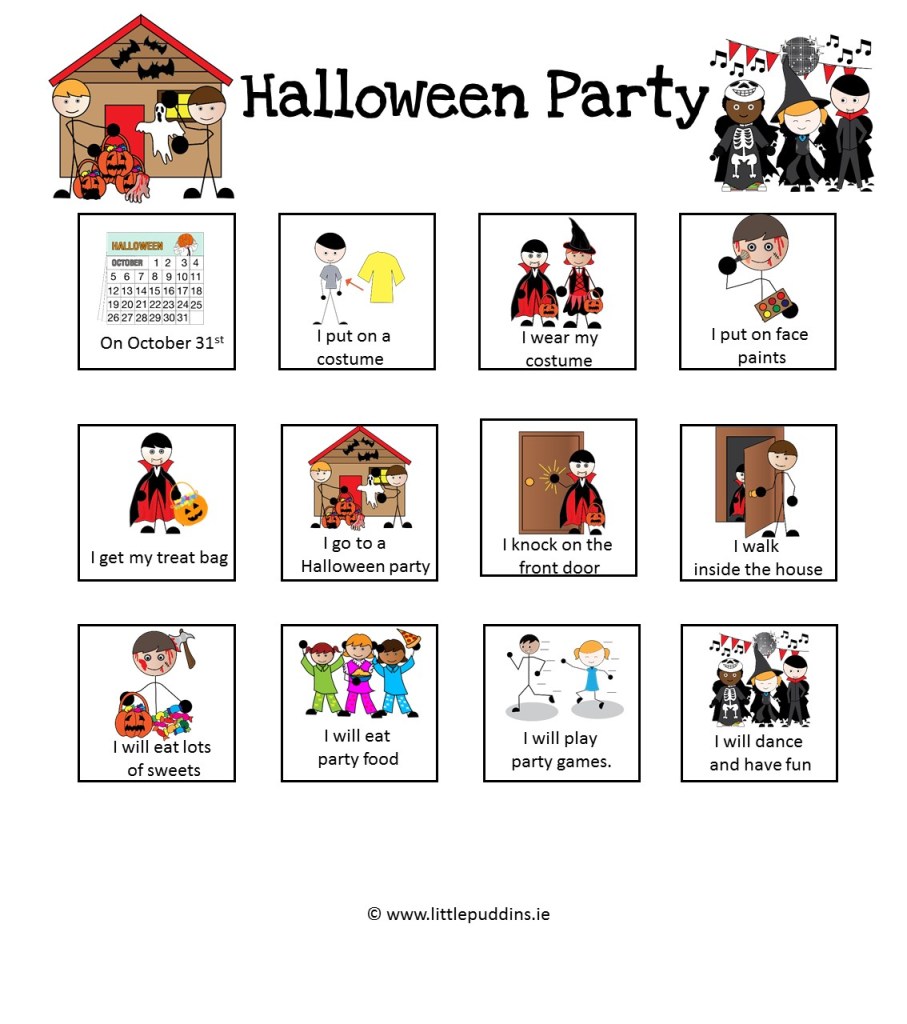
Decide what you and your family can enjoy (or perhaps just tolerate!) and make plans – do you want to carve a pumpkin, dress up, go to a party, or even go Trick or Treating? Planning in advance gives you a chance to help youngsters with additional support needs understand the event and decide how they want to participate so they feel more in control.

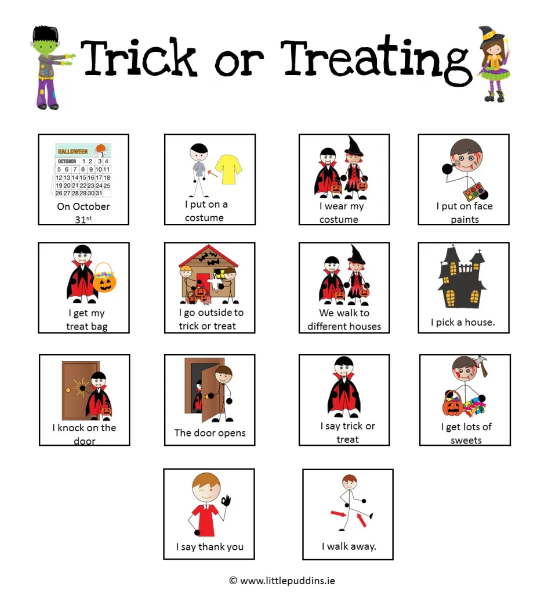
Top tip – Show them examples of different activities. Visual stories are useful for introducing different options for celebrating so they can vote for what they want to do. Try these social stories from Little Puddins:

But, always be flexible – you may need to change plans at short notice to suit your neurodivergent person!


Prepare

Use a countdown in the run up to activities or events – use visual schedules to clearly identify what is happening when.

If dressing up – practice wearing the costume a few times. Consider giving the costume a sensory element (e.g. soft, furry, cosy etc.) or maybe attach a fidget toy to it. Some people like masks to hide behind but others find them constrictive – let your neurodivergent person choose the outfit and how dressed up they want to be. Pinterest is a great source of ideas like these sensory costume suggestions.

Do some role play of the Trick or Treating process. Only make them hold the bucket/bag if they want to and decide together beforehand if they are happy to speak to people or if they want parents/siblings to talk for them.

Top tip – use photos from the internet/social media to show them examples of different costumes they might see when out and about to prepare them for people wearing masks or scary outfits.


Have an exit strategy

We all know that the best laid plans often don’t work out so it’s a good idea to have an exit strategy.

That could be a plan B option if your youngster refuses to do what you previously agreed – a relaxing Halloween craft or making a Halloween themed snack might be more achievable.

If you do make it out and about, then agree a signal for them to give if they start to feel overwhelmed so you know when it’s time to head home or to a quiet place.


Make it fun!

Halloween can be fun in lots of different ways and there is no “right” way to do it.

They might only wear part of a costume or go Trick or Treating to 1 or 2 houses (or just their grandparent’s house!) or watch while you carve the pumpkin. However they choose to take part, celebrate it and enjoy the small successes with them.


No matter what you do this Halloween, you know your family best so choose the best way to take part without stress. And if your neurodivergent person doesn’t want to do anything at all that’s absolutely fine!

Happy Halloween from SensationALL!

Make your own ‘SensationALL’ sensory story

To celebrate World Book Day (Thursday 7th March) we thought we’d share with you our top tips for making a DIY sensory story!

The benefits of sensory stories for individuals with multiple support needs are endless – they help capture their imagination, introduce new sensory experiences, develop language and social interaction. That’s why we use them in many of our groups here at SensationALL, for both children and adults.

To make your own sensory story at home follow these simple steps:

  1. Choose a book, story or theme that you like
  2. Keep it brief – shorten the story and simplify if necessary
  3. Keywords – think about who/what/where/doing words
  4. Use props – think about turning the key words into physical objects – things to touch and smell
  5. Noise – use sounds as much as possible such as songs and clapping. Actions and Makaton signs are also really useful
  6. Be imaginative – don’t worry if your prop isn’t literal, be inventive and creative 
  7. Have fun! Most important thing is to enjoy the journey the story takes you on

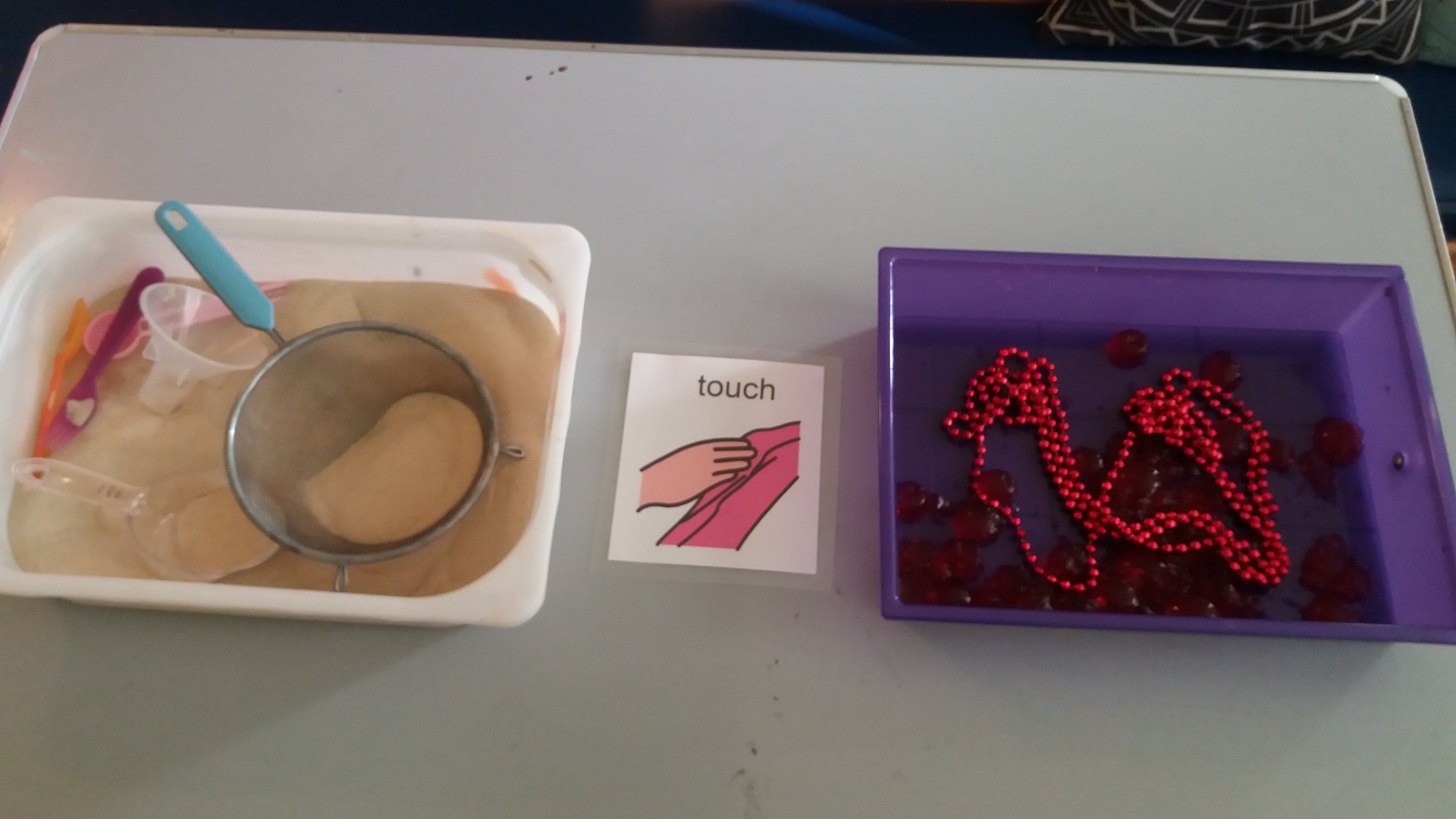
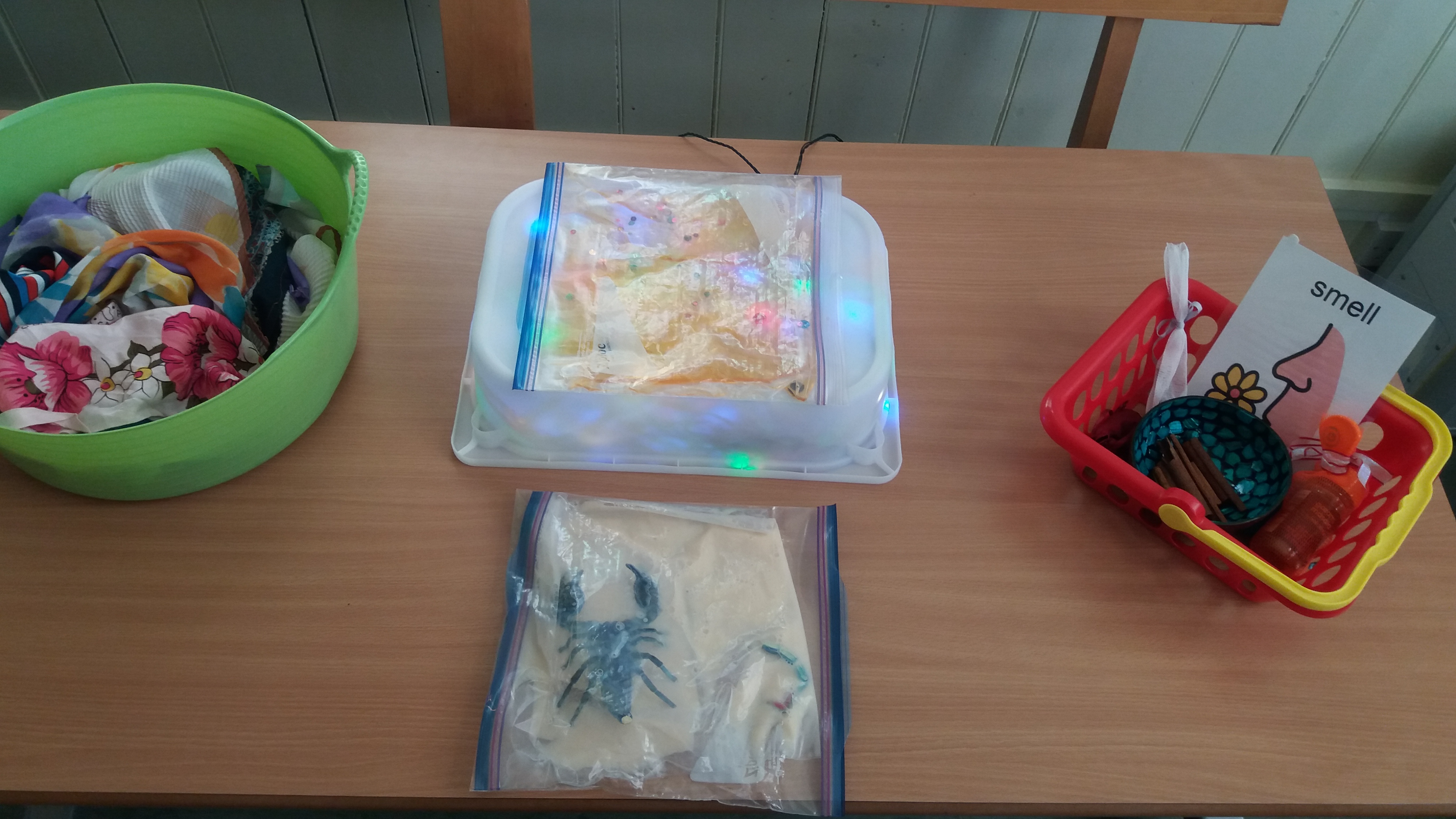
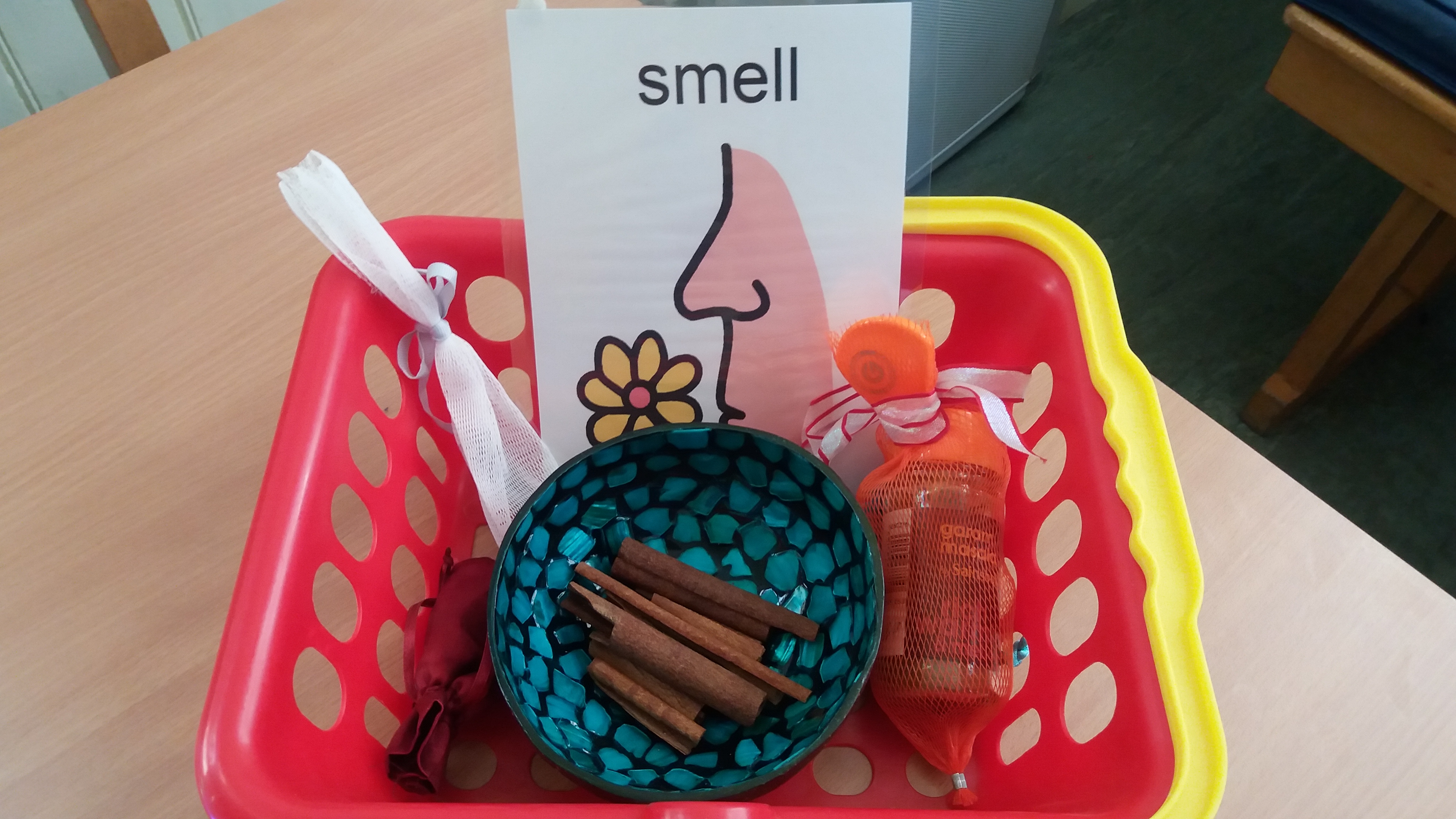
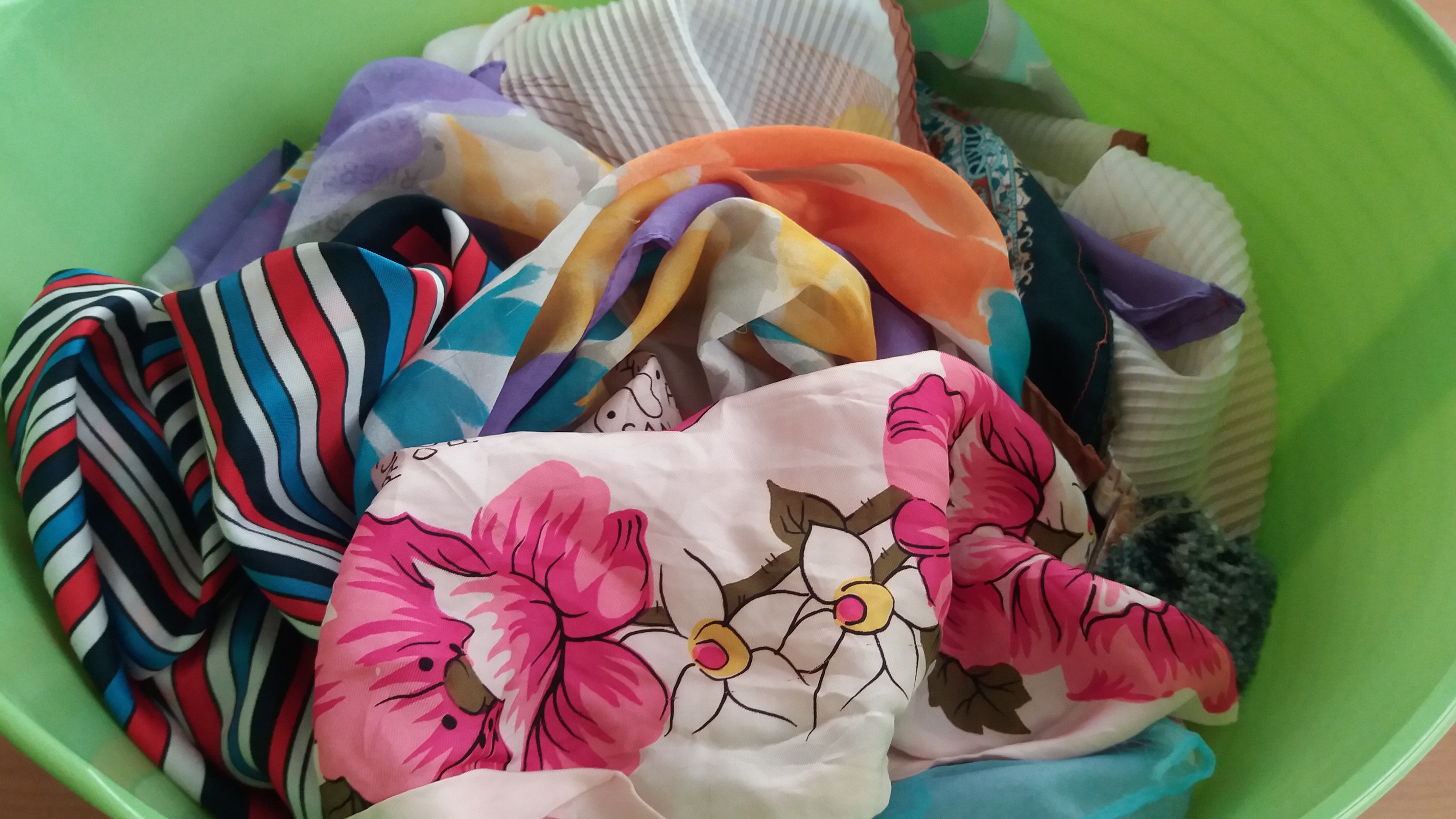
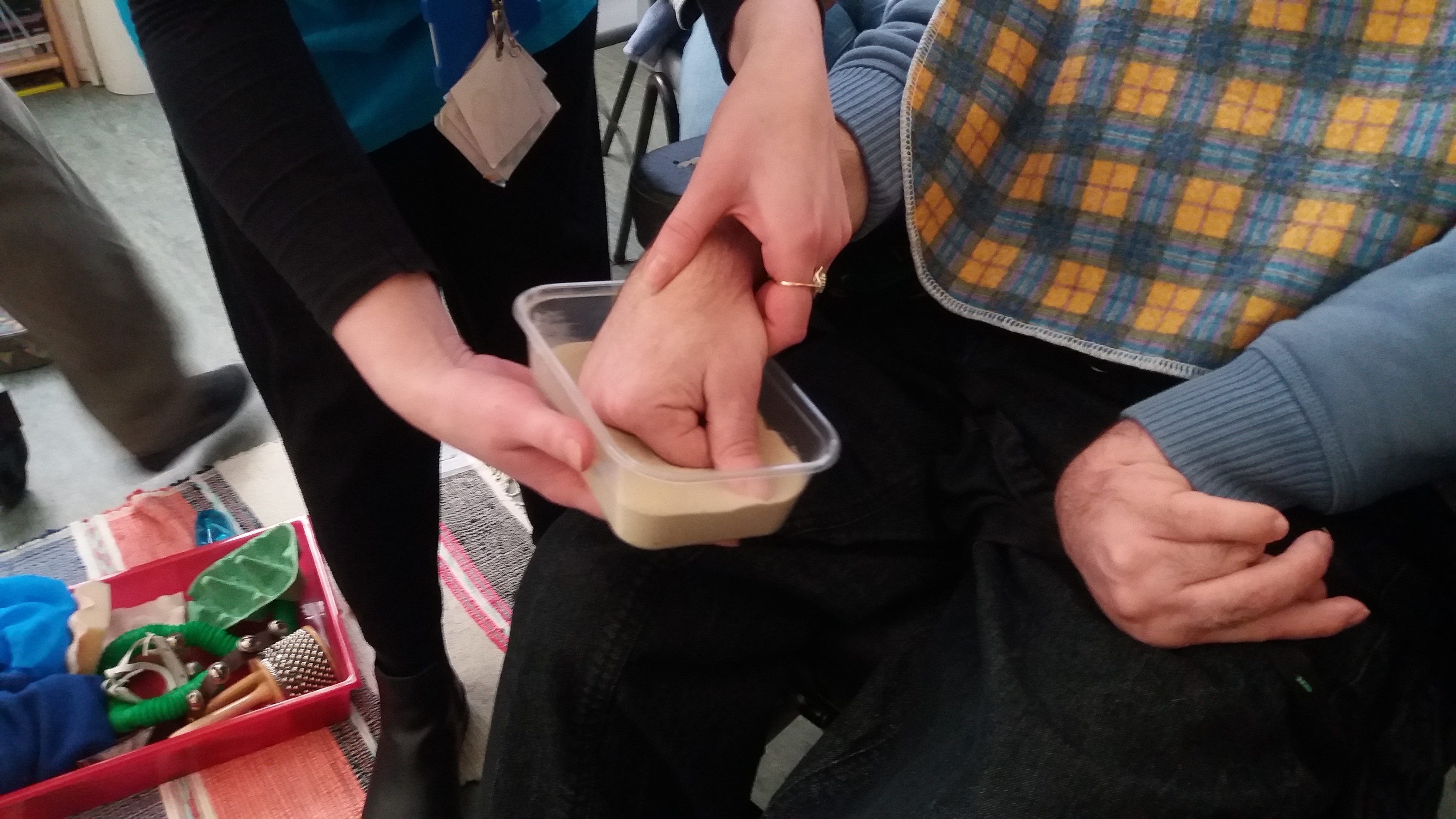
Here are some of the items we used in recent sensory stories…

Why SensationALL use Sensory Stories…

Our innovative SensationALL service team are always thinking of new activities to incorporate into our sessions as it’s really important to us that all users get the most out of attending (no matter how complex their needs).

SensationALL services are for children and adults with multiple support needs and sensory impairments so we use a variety of multi-sensory materials and activities that stimulate and engage and recently sensory stories have become a significant part of what we do.

A Magic Carpet Journey!

Sensory stories are a key feature of our new Midweek Mayhem adult sessions. Each week we will be going on a ‘Magic Carpet journey’ – using our senses to explore the place we ‘visit’.

By using interactive elements during story-telling (sights, sounds, touch and scents) we take the group on a virtual journey. Using their creativity, our staff come up with a variety of materials relating to the chosen story and while reading it, offer everyone the chance to interact by touching, smelling, seeing and hearing. This hugely beneficial for the service users as they are actively involved with the story rather than simply listening as they may have difficulty following or understanding the spoken words.

Last week we visited an Arabian Bazar…

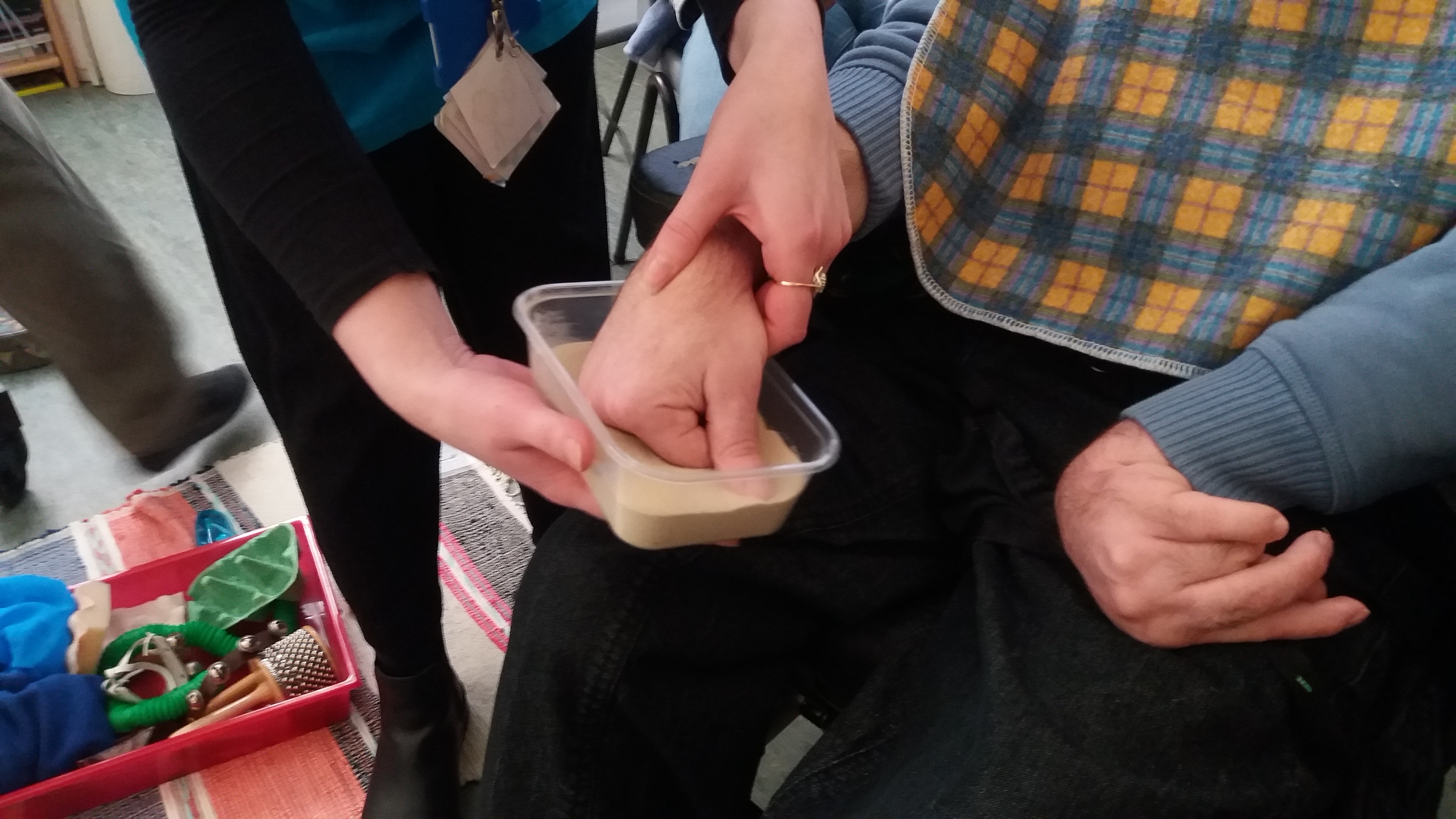
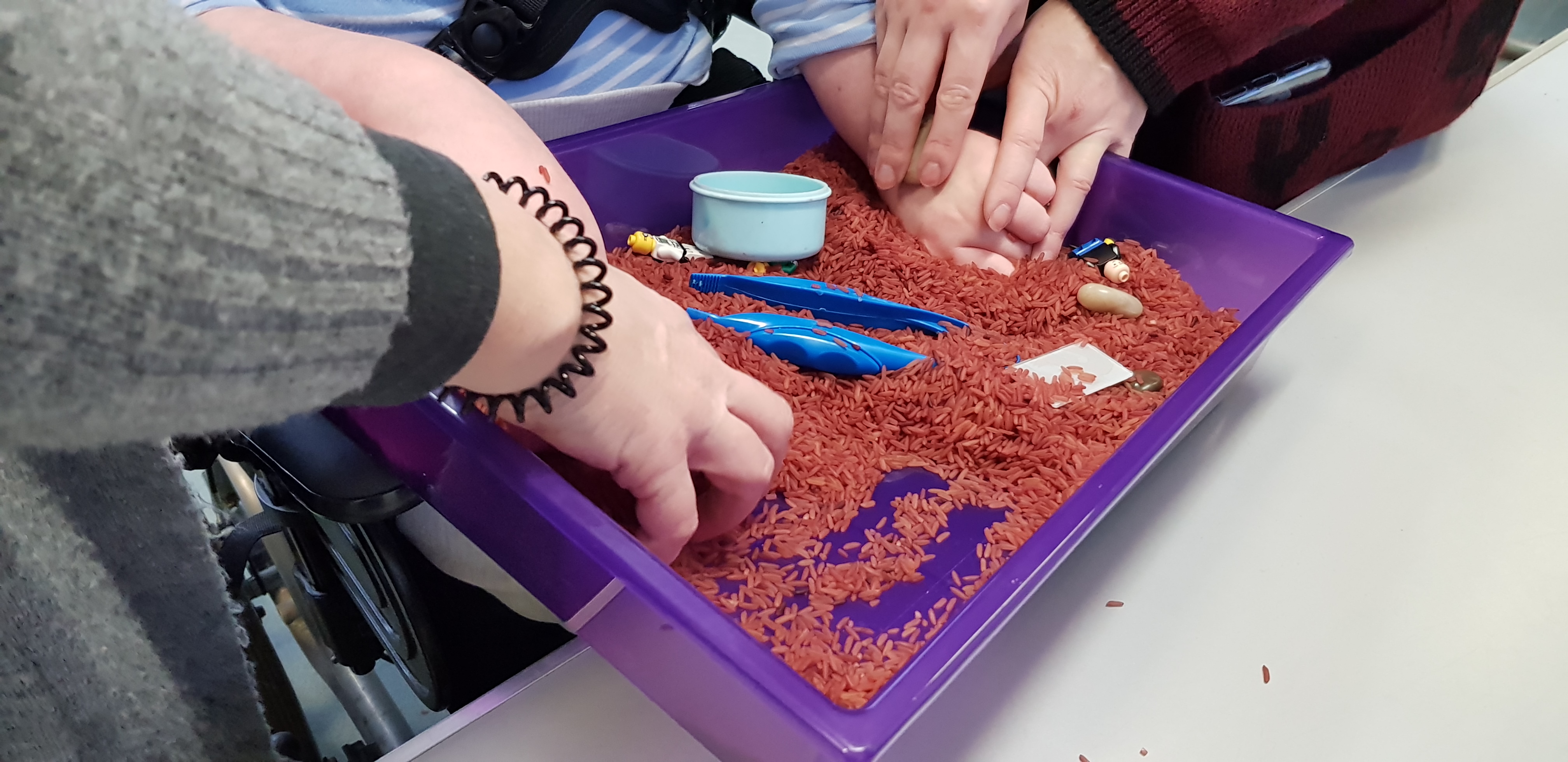
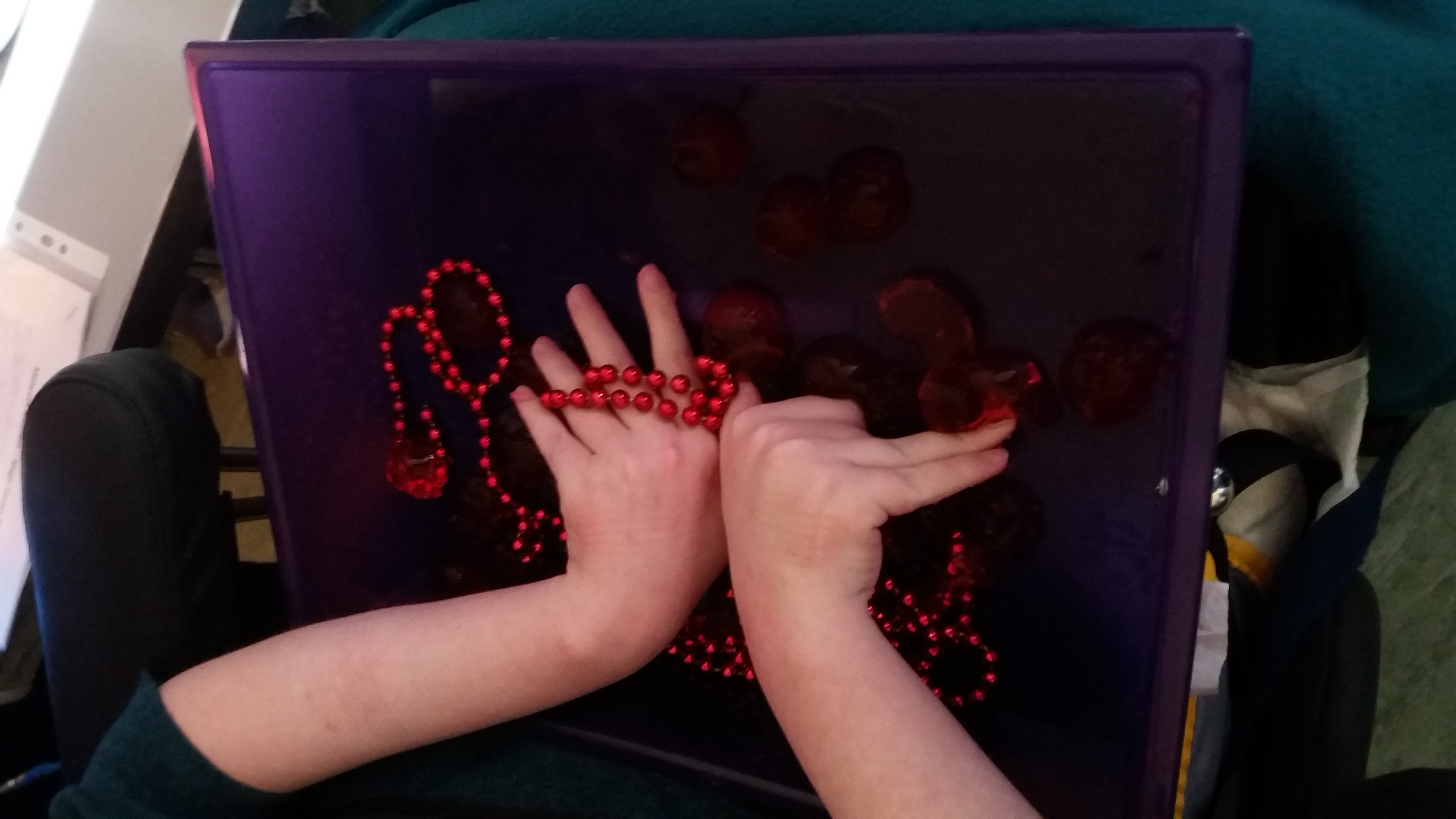
To set the scene we had a background image and music from an Arabian market on the smart board. Our story took us through Egypt, where we encountered snakes, camels and belly dancers! We used materials to look, listen, feel and smell during each part of the story as an interactive experience. The textures of sand and jewelled jelly and the smell of mixed spices encouraged them to explore and try new experiences.

Our Arabian journey was a huge success:

“It’s great to see him engage so well!”  service user’s carer

We can’t wait for our next magic carpet ride to China to celebrate Chinese New Year! If you want to join us, our service diary has more information on whats on at the Old Schoolhouse this term.


SensationALL top tips for Christmas

For most people Christmas is an exciting time but it usually means a change in routine which, for families with multiple support needs (MSN) can be upsetting and disruptive. Not to mention all the additional sensory experiences such as Christmas lights, music and scents which can be overwhelming.

To help our MSN families, the SensationALL team have shared some top tips to make Christmas a fun experience for everyone:

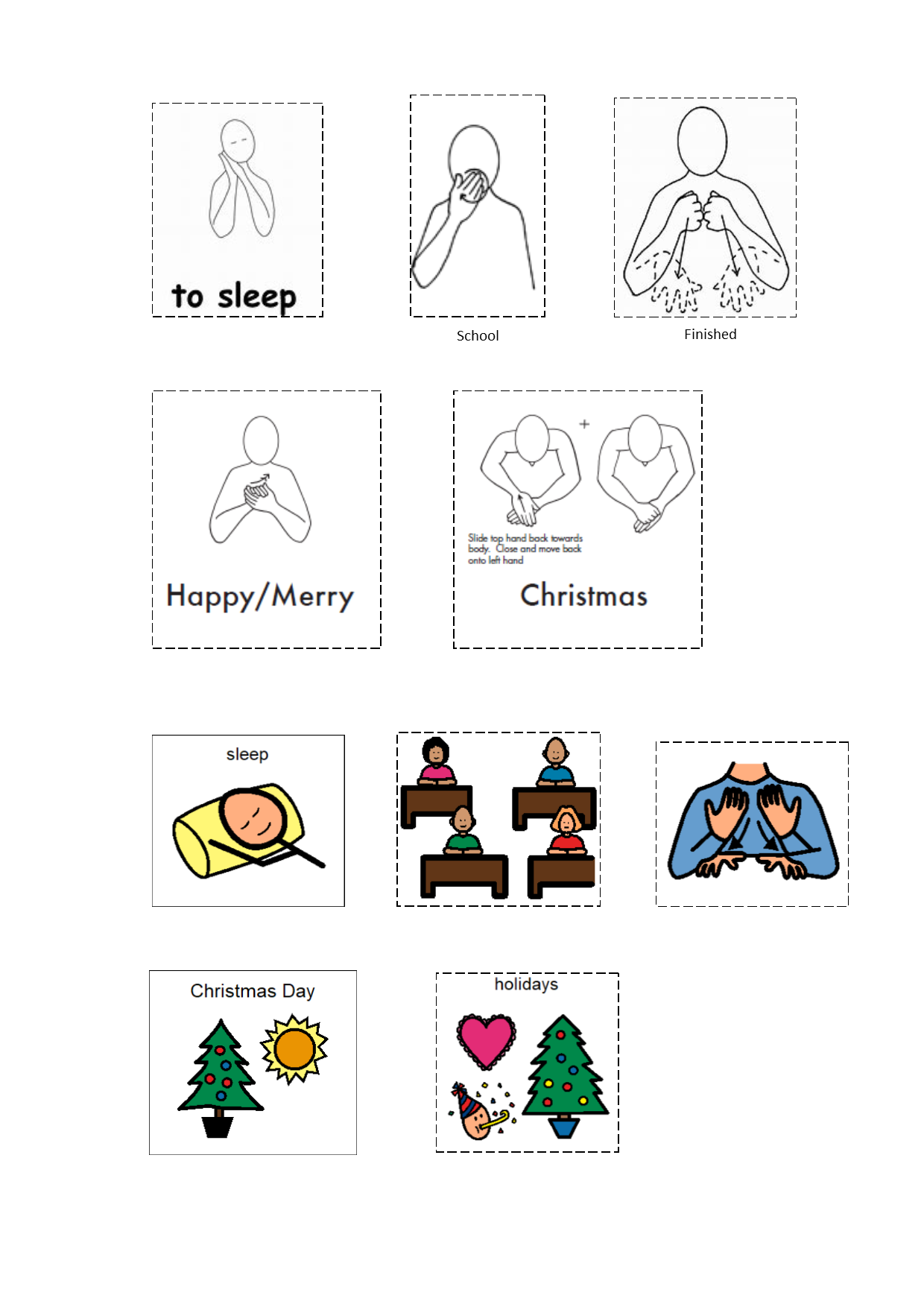
  • CALENDAR – mark off days with no school or other meaningful words or symbols. Highlight Christmas day and first day back to school.
  • Use a SCHEDULE or checklist to indicate what activities will be completed during the day. Use visuals/symbols to suit individual communication.
  • Plan activities for ENERGY BURNING such as a trip to the park on the swings, inclusive sessions at trampoline park or soft play. Or play indoor games such as hide and seek or a treasure hunt.
  • Build in BREAK TIMES to help with relaxation as well, have a quiet space away from the overwhelming aspects of Christmas. This could be a space with no music and low lighting such as a tent or den in quiet space in the house. Or use relaxation music and calming scents like lavender. You could also use deep pressure such as massage or heavy blankets as a calming strategy.
  • Have your OWN VERSION OF CHRISTMAS – do whatever works best for you, don’t feel you have to conform to tradition or what everyone else is doing! If your child doesn’t want too many presents keep them for the days following Christmas or if they don’t want presents wrapped maybe just use a gift bag. Have what you want for dinner or what you know your person with MSN will eat. Try having a taster of the Christmas meal on small plates to try to reduce stress over different/new foods and textures.
  • Take CALMING RESOURCES such as noise cancelling headphones with or without music or distraction aids such as fidget spinners or bubbles. You may have to allow for a reduced level of tolerance of new, challenging or sensory demanding situations. Some of strategies from our Chill-oot! and Girl’s Groups are perfect e.g. glitter sensory bottles are a fantastic coping tool to support emotional regulation. To make these simply add glue and glitter with warm water to a clear plastic bottle; watch as the glitter slowly swirls with the water. Other great ideas for easy to make coping strategies can be found on Pinterest.
  • SENSORY STORIES – A Christmas themed social story can help to explain the festive season – you can even write your own personalised story, check out this useful guide.

We also can’t forget that this time of year can be equally challenging for siblings as they may have to modify their own excitement or even make sacrifices to suit their siblings with MSN. However, there are simple things you can do to make sure they don’t miss out on the festive feeling; watch a Christmas movie together, do some Christmas baking, have a Christmas shopping trip – most importantly plan some 1-to-1 time for them with a parent. A present or specially created message from their sibling might be appreciated too.

Here are some useful visuals which can be used in the techniques above, as well as December and January calendar sheets for printing to stick the symbols on.

We hope you all have a relaxed, magical time this Christmas!

SensationALL christmas present ideas

At this time of year, the SensationALL team are often asked for suggestions for Christmas presents or sticking filler ideas for multi support needs children. Our experienced team of Occupational Therapists and Support Workers often spend time researching products, toys and objects to not only use during our groups or at events, but also for training workshops! We have used some of these ideas to put together a starter-for-10 Christmas present list:

Special Needs Toys Website –  this is a great website with sensory specific sections for toys and equipment. From tactile to proprioceptive, this website covers all basis’ for sensory specific presents for unique individuals.

Sequin Snap Bracelet – these reversible sequin snap bracelets are good sensory fidgets that are wearable – our service users in the SensationALL holiday groups and Chill OOT especially loved using these. There are lots of other reversable sequin products such as cushions, pencil cases, backpacks etc that would also make for a great Christmas gift.

Infinity Loop – this is a stainless steel springy slinky for your arm. Our SensationALL service users have loved using these in our Inclusive Social Group and our sensory sessions. A simple but highly enjoyable interactive toy that provides endless fun.

Marks and Spencers Kids Easy Dressing Range – we love the special range of clothes M&S have created which are adapted for children who need extra help. With clothing options for anyone with feeding tubes or if they simply need clothes that are easy to put on and gentle for sensitive skin. The Easy Dressing range aims to help make dressing easier, quicker, more comfortable – and more fun!

Sensory Body Sock – body socks are a great resource to try out for individuals with multiple support needs. The resistant walls of the body sock provide a tactile means of self-referencing that improves body awareness and assists in developing spatial awareness through balance and resistance. At SensationALL we have used body socks in several of our social and emotional regulation groups and lots of the kids love them!

Our last Christmas gift idea is of course, the SensationALL gift card! Available to buy directly from SensationALL by emailing info@sensationall.org.uk or you can buy one from the Old Schoolhouse when you are at one of our groups or events. Each gift card costs £30 and provides 6 hour long sessions at any of our groups! A great gift to access SensationALL’s exciting range of services. #SensationALL