Self-regulation spotlight – Jumping!

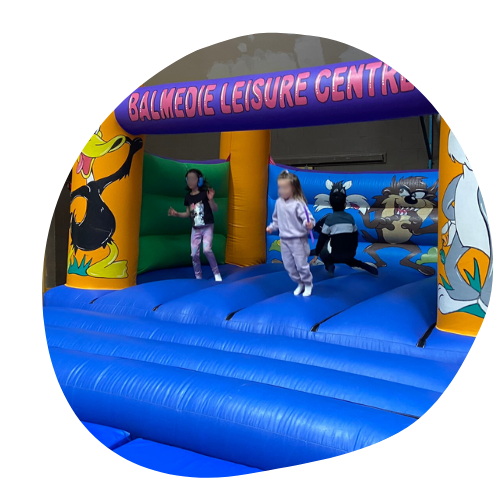
Repeated up-and-down movements help people increase awareness of their body’s position and the force it is using, as well as supporting balance and spatial awareness. Jumping using trampolines, skipping ropes, hopscotch, or even simple “star jumps” on the spot all stimulate multiple sensory systems in the body which can have a positive effect on a person.

Jumping is a brilliant regulating tool because it combines heavy work (impact through the joints) with rhythm and repetition. For both children and adults, it can boost alertness and focus; for some people, it offers an outlet to release built-up energy or stress. It improves balance, coordination, and overall body awareness, making it both fun and regulating!

Regulation through proprioceptive input
o Jumping delivers high-intensity heavy work to joints and muscles, which can be calming for sensory seekers and organising for sensory avoiders.

Vestibular–proprioceptive integration
o The brain must process acceleration, deceleration, and impact timing and this is building spatial awareness and balance.

Motor planning & coordination
o Sequencing jumps, adjusting force, and landing safely develops praxis.

Core stability & postural control
o Maintaining upright position on unstable surfaces strengthens deep postural muscles.

Attention & engagement
o Rhythmic, repetitive jumping increases dopamine and norepinephrine, supporting focus

Top tips – use jumping as part of a sensory diet, as a proactive regulation tool in your daily routine. Finish a jumping activity with a grounding movement (heavy pushing, static wall sits or deep breathing).

Target games – jump to catch bubbles or a hanging scarf

Rhythm integration– jump to a beat or music (slow = calming or fast = alerting)

Heavy work combination– Jump then push a weighted cart or carry an object for sustained regulation

Cognitive integration– Count backwards while jumping or every time you jump, call out a shape/colour/animal

  • Always supervise jumping activities closely.
  • Use age-appropriate, well-maintained equipment (mini-trampolines, crash mats).
  • Clear the area of obstacles.
  • Teach safe mounting/dismounting.
  • Consider fatigue — high-intensity jumping may be exhausting for some children.
  • Monitor arousal levels — some children may become over-stimulated and need grounding afterwards.

Keep up to date with the latest SensationALL Self-Regulation Strategies on our socials!
Filling the gap in statutory services

As a third sector organisation, SensationALL was founded to make a real difference to hundreds of families and individuals across the northeast living with neurodivergent conditions or additional needs who need practical support and access to social opportunities that are suited to their sensory and behavioural needs. However, this year more than ever we are struggling to keep up with the mounting costs of continuing services in light of the challenging funding climate.  

Amidst the cost-of-living crisis, we are facing both a rise in operational costs and a fall in funding. This is at a time when lengthy waits for NHS assessments are resulting in increasing numbers of families being referred to us for pre-diagnostic support, adding to the strain on our services.  

In the last year, we delivered over 600 sessions which provided more than 520 different people with specially designed social groups and activities to suit their sensory and behavioural needs. However, demand is increasing faster than funding, and we urgently need to generate more income to expand the existing timetable.

Currently, we have over 1400 registered individuals with more people contacting us every week as SensationALL’s Chief Executive, Katie McNutt, explains:  

Our charity has been filling a gap in statutory services in the northeast for the last 13 years, stepping in to offer support when statutory organisations are unable to intervene due to no formal diagnosis being in place.

But even people with a diagnosis find there is a severe lack of social activities and support groups for neurodivergent people where they can make friends, build confidence and importantly, be themselves without judgement in places where their additional needs are accommodated.

Furthermore, parents and carers are in desperate need of practical advice so they can feel better equipped to support their loved-one to overcome challenges their conditions present in everyday life (from sleep to restricted diets to sensory processing issues and accessing education). 

In June, a shocking report was published by The Scottish Parliament; “Neurodevelopmental Pathways and Waiting Times in Scotland”, which outlines a concerning picture of neurodivergent care in Scotland: 

  • Over 42,000 children in Scotland are waiting for a neurodevelopmental assessment, and in some regions this figure has increased by over 500% since 2020. (Statistics as of March 2025) 
  • Increased awareness of neurodivergence in adults has also led to a surge in demand for adult assessments, and over 23,000 adults are waiting for a neurodevelopmental assessment in Scotland which has increased by over 2200% since 2020. 
  • The average longest waiting time to receive an assessment is 182 weeks (three and a half years).
  • Increased demand for support has led to increased pressure on the third sector, which provides a range of pre and post diagnostic support for neurodivergent people in Scotland. 

These statistics prompted a response from The Royal College of Psychiatrists in Scotland and the Child Heads of Psychology Services, who have created a proposal of a “new four-level neurodiversity pathway structure” which calls for a national approach to be taken to commissioning specialist third sector organisations providing support and services at all stages of the diagnostic journey”.

Specific examples of the support given by in the response include “establishing and maintaining peer support networks, and employability training” which mirrors much of what we are already doing without consistent funding.  

Katie explains how the charity would welcome this approach which would bring more much-needed sustainable funding:

A key part of our growth strategy is the ambitious and exciting redevelopment of The Old Schoolhouse, our headquarters in Westhill. We are eagerly awaiting the decision of a planning application to Aberdeenshire Council for the building extension, which will double the current footprint but will cost around £1 million in construction costs which we will have to fundraise for over the next couple of years.

The upgraded facility is desperately needed and will greatly enhance local services available to hundreds of families across the northeast – we are eager to engage with stakeholders who can support the project. 

The Old Schoolhouse

If you are interested in supporting SensationALL, please donate to our cause below, or if you have any other queries get in touch at info@sensationall.org.uk.