Self-regulation spotlight – Jumping!

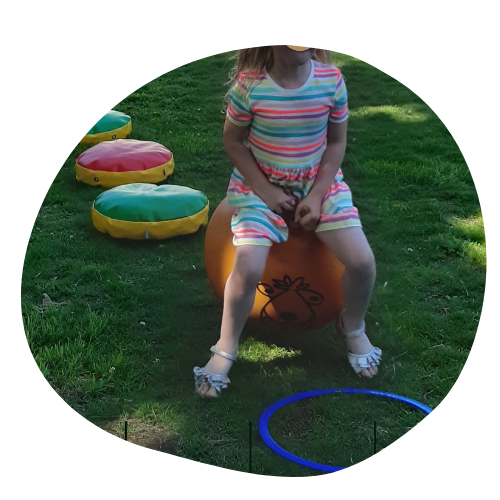
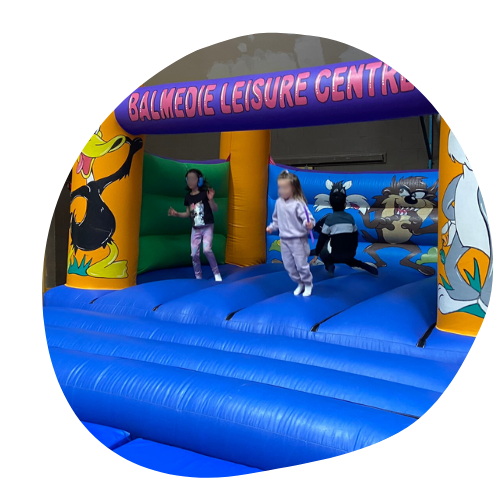
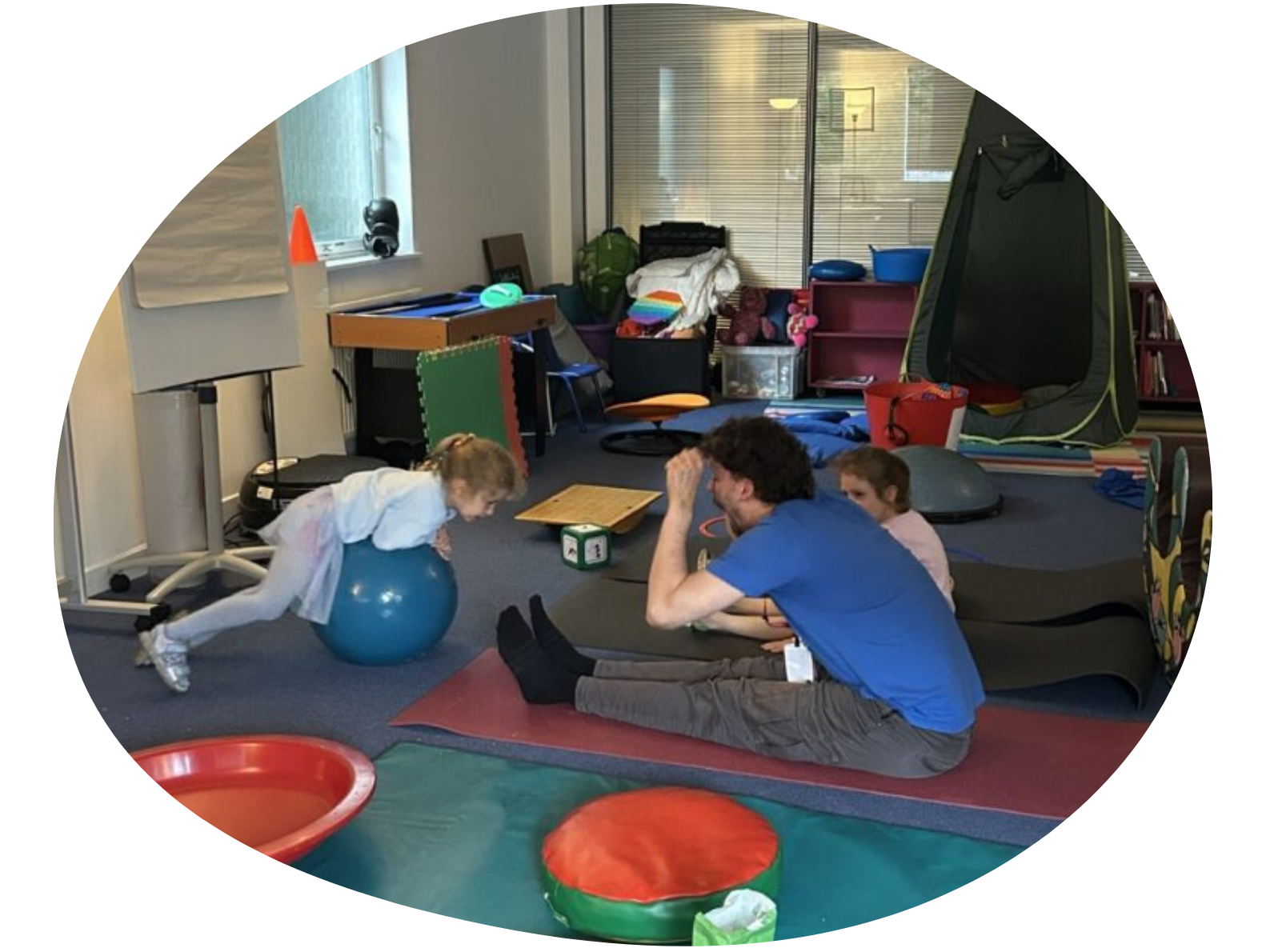
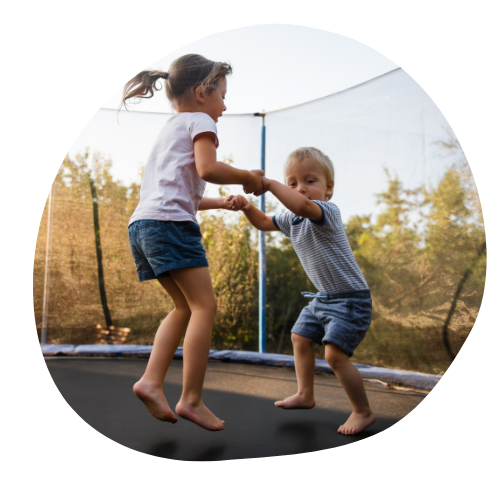
Repeated up-and-down movements help people increase awareness of their body’s position and the force it is using, as well as supporting balance and spatial awareness. Jumping using trampolines, skipping ropes, hopscotch, or even simple “star jumps” on the spot all stimulate multiple sensory systems in the body which can have a positive effect on a person.

Jumping is a brilliant regulating tool because it combines heavy work (impact through the joints) with rhythm and repetition. For both children and adults, it can boost alertness and focus; for some people, it offers an outlet to release built-up energy or stress. It improves balance, coordination, and overall body awareness, making it both fun and regulating!

Regulation through proprioceptive input
o Jumping delivers high-intensity heavy work to joints and muscles, which can be calming for sensory seekers and organising for sensory avoiders.

Vestibular–proprioceptive integration
o The brain must process acceleration, deceleration, and impact timing and this is building spatial awareness and balance.

Motor planning & coordination
o Sequencing jumps, adjusting force, and landing safely develops praxis.

Core stability & postural control
o Maintaining upright position on unstable surfaces strengthens deep postural muscles.

Attention & engagement
o Rhythmic, repetitive jumping increases dopamine and norepinephrine, supporting focus
Top tips – use jumping as part of a sensory diet, as a proactive regulation tool in your daily routine. Finish a jumping activity with a grounding movement (heavy pushing, static wall sits or deep breathing).

Target games – jump to catch bubbles or a hanging scarf

Rhythm integration– jump to a beat or music (slow = calming or fast = alerting)

Heavy work combination– Jump then push a weighted cart or carry an object for sustained regulation

Cognitive integration– Count backwards while jumping or every time you jump, call out a shape/colour/animal
  • Always supervise jumping activities closely.
  • Use age-appropriate, well-maintained equipment (mini-trampolines, crash mats).
  • Clear the area of obstacles.
  • Teach safe mounting/dismounting.
  • Consider fatigue — high-intensity jumping may be exhausting for some children.
  • Monitor arousal levels — some children may become over-stimulated and need grounding afterwards.

Keep up to date with the latest SensationALL Self-Regulation Strategies on our socials!
Self-regulation spotlight – Co-Regulation!

At SensationALL, co-regulation is at the very core of what we do. By modelling calm and regulated behaviour, children feel safe and can settle more easily.

What is it?

Co-regulation means using ourselves as the primary tool for regulation: our breath, body language, tone of voice, and rhythm help to shape a child’s nervous system. A dysregulated adult cannot regulate a dysregulated child so maintaining a calm presence provides the foundation for all the techniques we use here at SensationALL.

Why it matters:

Neurologically, children borrow regulation from adults before they can self-regulate. By reading our state, children can pick up on feelings of safety through our tone of voice, facial expression, and posture.

This means that when we slow down, they slow down; when we brighten and become more animated, they become more alert!

Why it works:

  • Co-regulation has to come before self-regulation. Children borrow our from nervous system. When we are grounded, their bodies detect safety and begin to settle.
  • Feelings of safety. Warm eye contact at the child’s level, soft facial muscles, and a friendly voice signal “safe” to the brain, which eases the flight or fight response.
  • Emotional mirroring. As humans we unconsciously copy postures, facial expressions, and rhythms. If an adult has a slow, steady rhythm a child will mirror this (heart rate, breath, movement).
  • Sensory variation:
    o Calming: using deep pressure techniques and predictable rhythm can help calm dysregulation.
    o Alerting: using a bright and friendly voice, faster tempo and an upright posture can help children feel more alert
  • Naming sensations. We can use our words to bring awareness to sensations: “Your hands look tight; let’s soften them together”. This builds body awareness and helps young people understand they have a choice about how to feel.
  • Building tolerance. Our calm presence widens a child’s capacity to feel big feelings without tipping over into shutdown or chaos.

What can we do as adults?

As adults, we can support children when they are dysregulated by thinking about our body, voice and actions.

  • Grounded stance (feet hip-width, weight through heels), relaxed shoulders, open
    hands.
  • Get low (kneel/sit) to reduce visual threat and power distance.
  • Breathe visibly: in through nose, longer out-breath (count 4 in / 6 out).
  • Proximity: offer presence at an angle (not face-on). Always gain consent for touch.
  • Predictable movement: slow, smooth, minimal sudden gestures
  • Calming: low volume, lower pitch, slower pace, warm prosody, short phrases, longer
    pauses.
  • Alerting: brighter tone, slightly increased pace, clear rhythm, upbeat prosody.
  • Language: validate + guide (“You’re frustrated. I’m here. Let’s press hands
    together… now two slow breaths.”)
  • Model self-regulation out loud (“I’m slowing my breath… shoulders down… now I
    can think.”)
  • Offer regulating choices (calm or alert) matched to need.
  • Shape the environment: reduce visual/auditory load for calming; add rhythm/novelty for alerting.

Five steps to co-regulation!

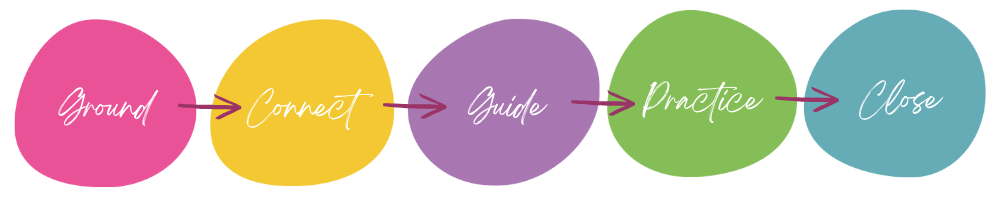
Next time you want to help a child to regulate their behaviour, try using our 5-step system:

Ground (you and child): feet down • long exhale • soften jaw • slow hands
Connect: name + validate their feelings • be at their level • warm face/eyes
Guide: offer two choices (calm vs alert)
Practice: regulate together (you lead with rhythm)
Close: name the shift • return to task.

Co-regulation is a powerful tool. By role modelling a calm state we can help others feel calm and grounded too.

Keep up to date with the latest SensationALL Self-Regulation Strategies on our socials!
Self-regulation spotlight – Vibration!

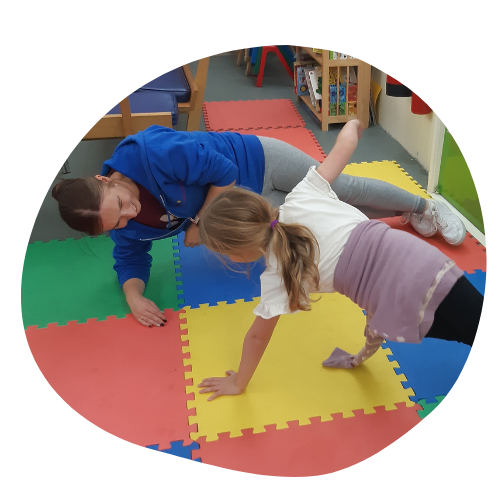
At SensationALL we frequently use vibration as a sensory regulation tool to support alert levels, self-regulation, and reconnecting with the body.

What is it?

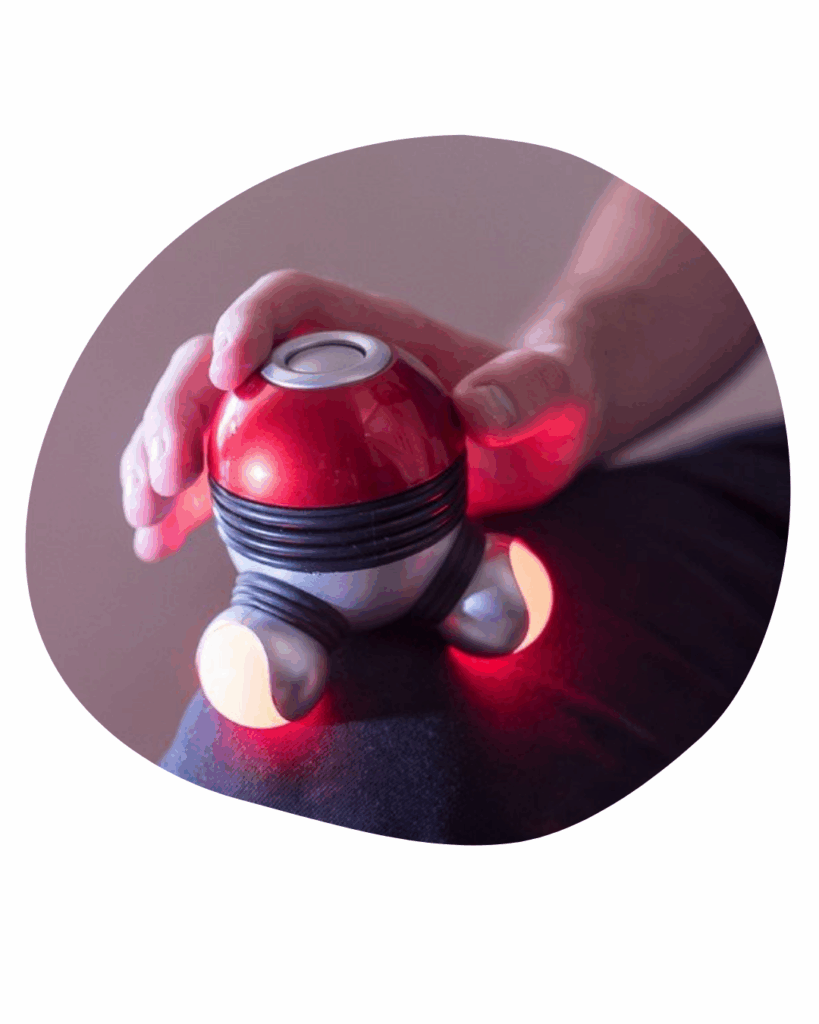
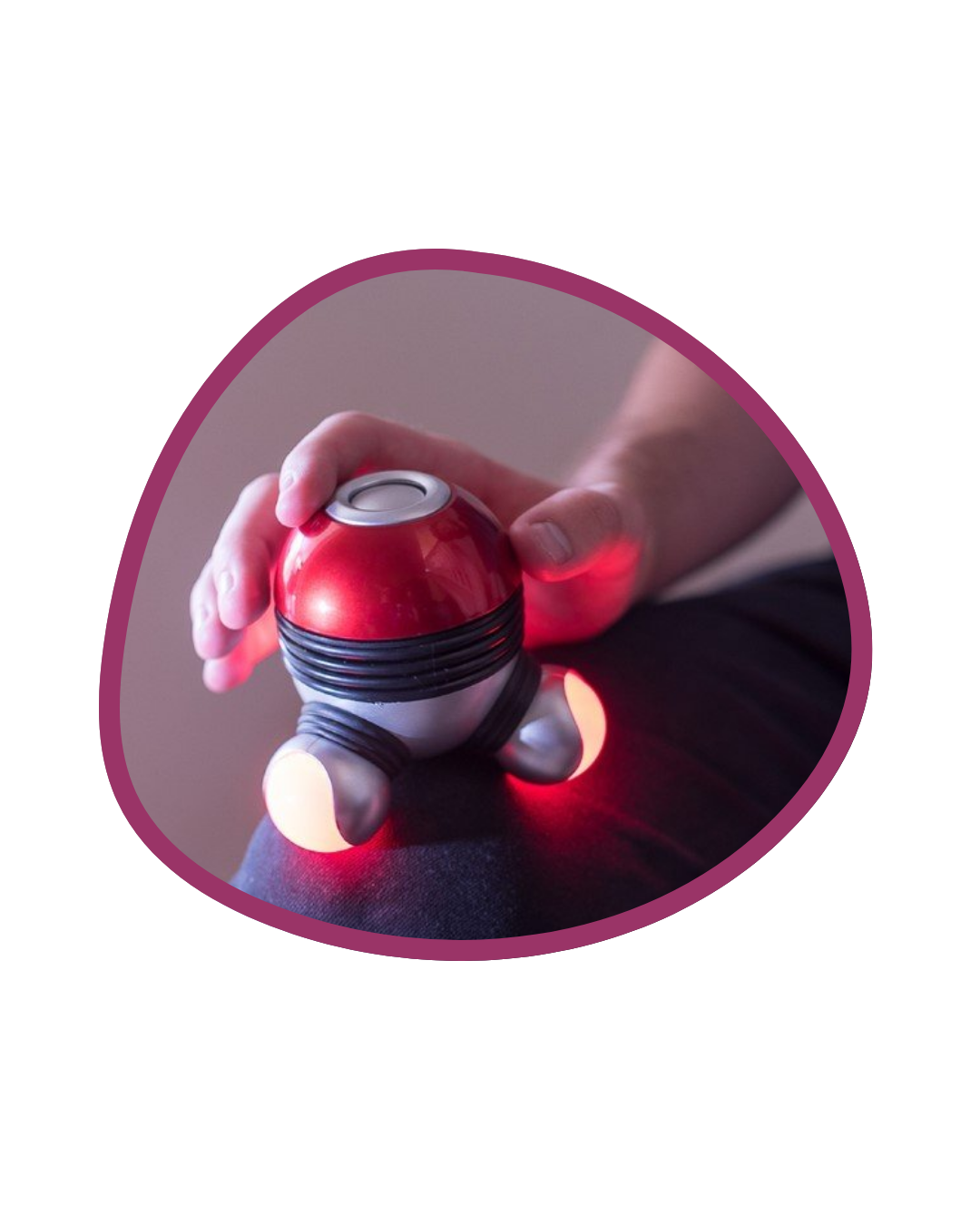
Vibration involves using objects that produce rhythmic buzzing or shaking sensations on the body, such as vibrating cushions, handheld massagers, toothbrushes, or simple activities like humming against a surface.

Why it matters:

Vibration stimulates both the tactile and proprioceptive systems. Depending on individual needs, it can boost alertness—helping to “wake up” the body and mind—or soothe and regulate by bringing focus back into the body and releasing tension. It’s especially beneficial for children who struggle with body awareness, emotional regulation, or focus.

Vibration is strong, predictable, and easy to control. This input can calm an overwhelmed system, energise a low-energy body, or enhance awareness of limb positioning.

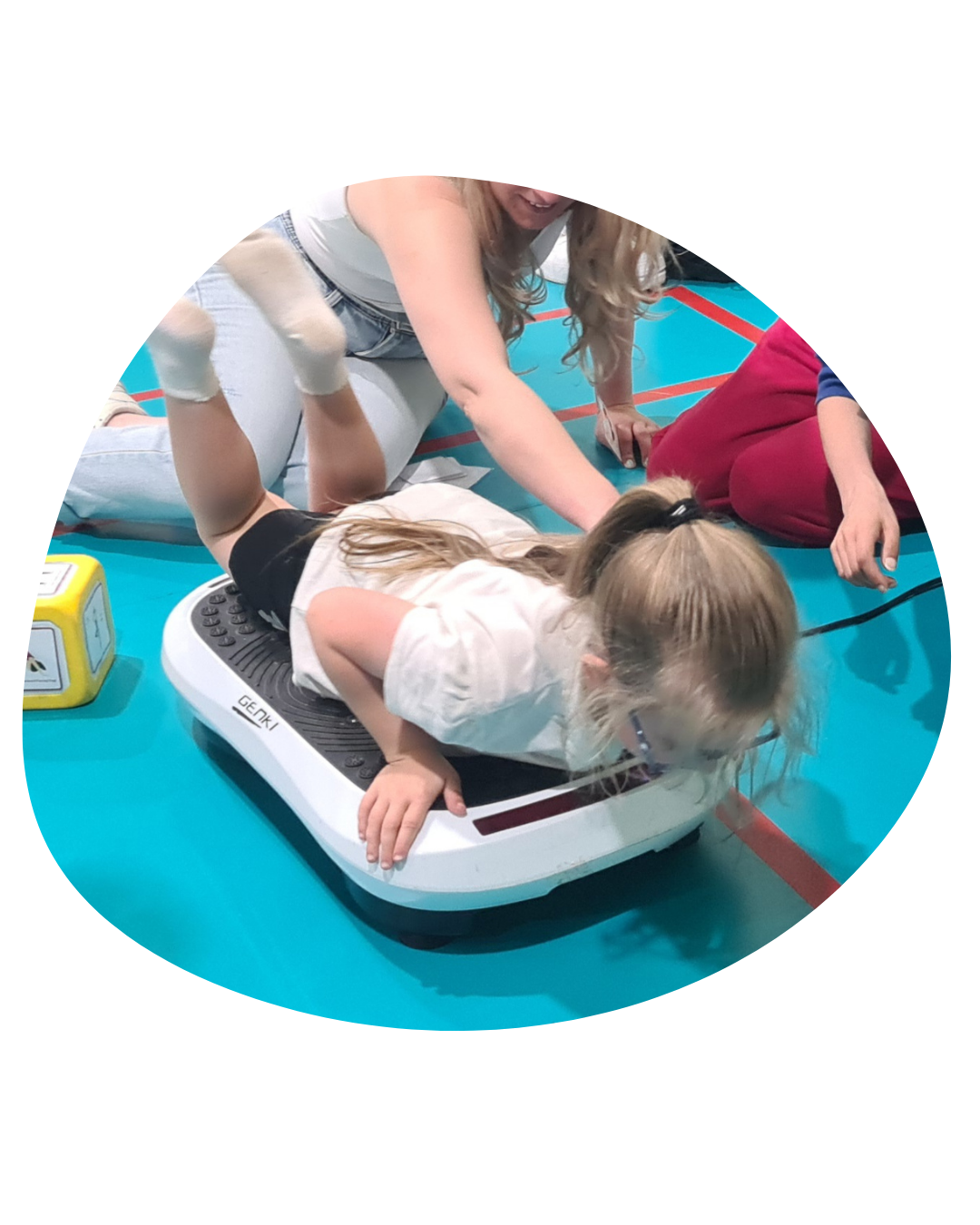
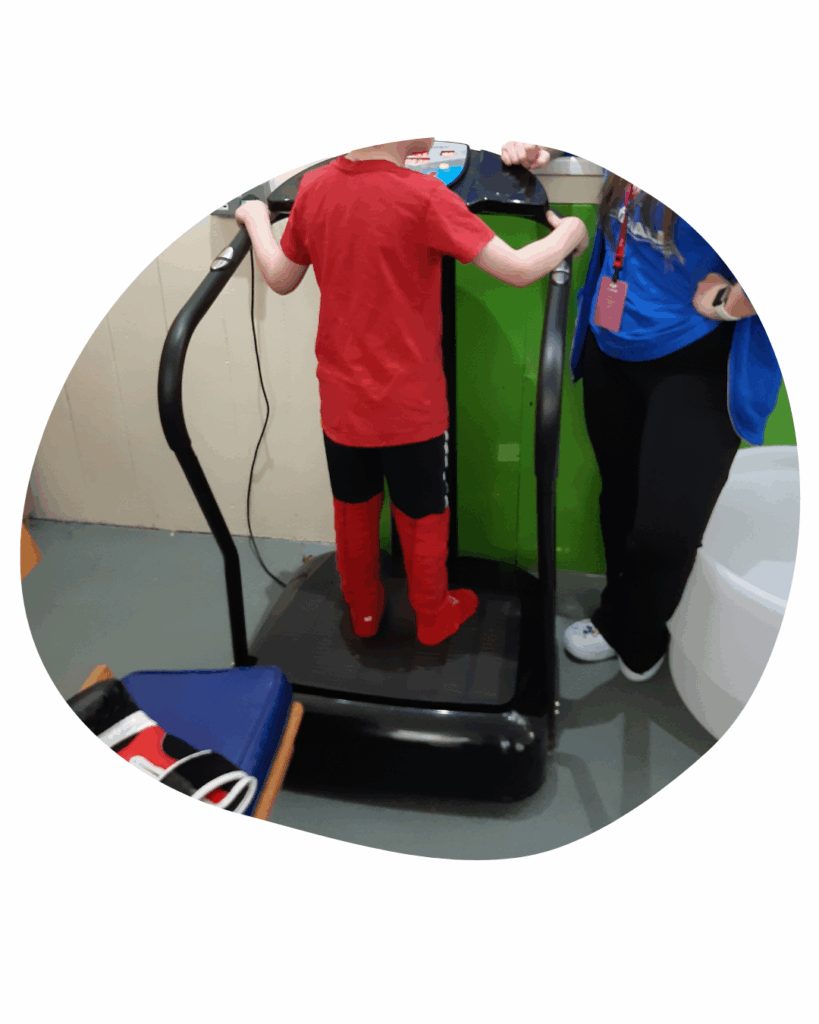
One way we incorporate vibration is through vibration plate equipment, which sends vibrations to the body, stimulating muscles and improving lymphatic flow, reducing blood pressure, and increasing circulation—factors that enhance focus, mood, and concentration.

Here are some examples of vibration tools useful in therapy and play during daily routines:

  • Whole-body vibration plates: children can stand, sit with feet on, or place hands on the plate—great for grounding and regulation.
  • Handheld vibration massagers: gentle, soft-head devices suitable for quick spot treatments on hands, shoulders, or calves (avoid heavy-duty “massage guns” for children).
  • Vibrating cushions or pillows: children can sit or lean against them, ideal for calm-down areas or classroom seating.
  • Vibrating toys: stuffed animals, Fidgets, or balls that vibrate—engaging and fun for younger children.
  • Vibrating toothbrushes: useful for oral-motor stimulation, feeding prep, and desensitisation for oral sensitivities.
  • Vibrating pens or writing tools: aid hand awareness before handwriting and make fine motor tasks more fun.
  • DIY options include small battery-operated handheld fans (without blades) or clip-on vibrating pet brushes, which are soft and safe.

Safe use of vibration is crucial—our Golden Rules include:

  1. Always offer Choice and Control!
  2. Use short bursts (10-30 seconds), then follow with movement or play.
  3. Observe their response—calmer? More alert? Overstimulated? Adjust accordingly.

Understanding personal feelings about vibration helps select the most beneficial type:

Low energy

  • slightly stronger vibrations in short bursts, targeting large body areas first, then hands for fine motor skills
  • paired with quick heavy work and focus tasks.

Over-responsive/anxious

  • very gentle, predictable vibrations, starting with hands/feet, then the torso; avoid face/abdomen until trust is established
  •  incorporate slow breathing, deep pressure squeezes, and quiet spaces, gradually progressing to play.

Mixed emotions

  • offer a choice menu with questions like “which spot?”, “how strong?”, “how long?”
  • alternate between heavy work and calming breaths.

Vibration helps the brain “notice the body” more clearly, helping to regulate the senses and bring a sense of calm, or energy, to your life!

Keep up to date with the latest SensationALL Self-Regulation Strategies on our socials!
Self-regulation spotlight – Deep Pressure!

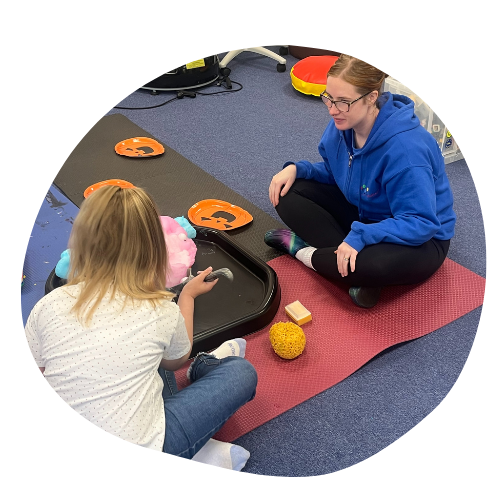
At SensationALL, we use a wide variety of sensory-informed strategies during our sessions and interactions with people with neurodivergent conditions and additional support needs.

In this article, Clinical Lead, Rebekah, explains why these approached are important, and how they can benefit you or your loved one.

What is it?

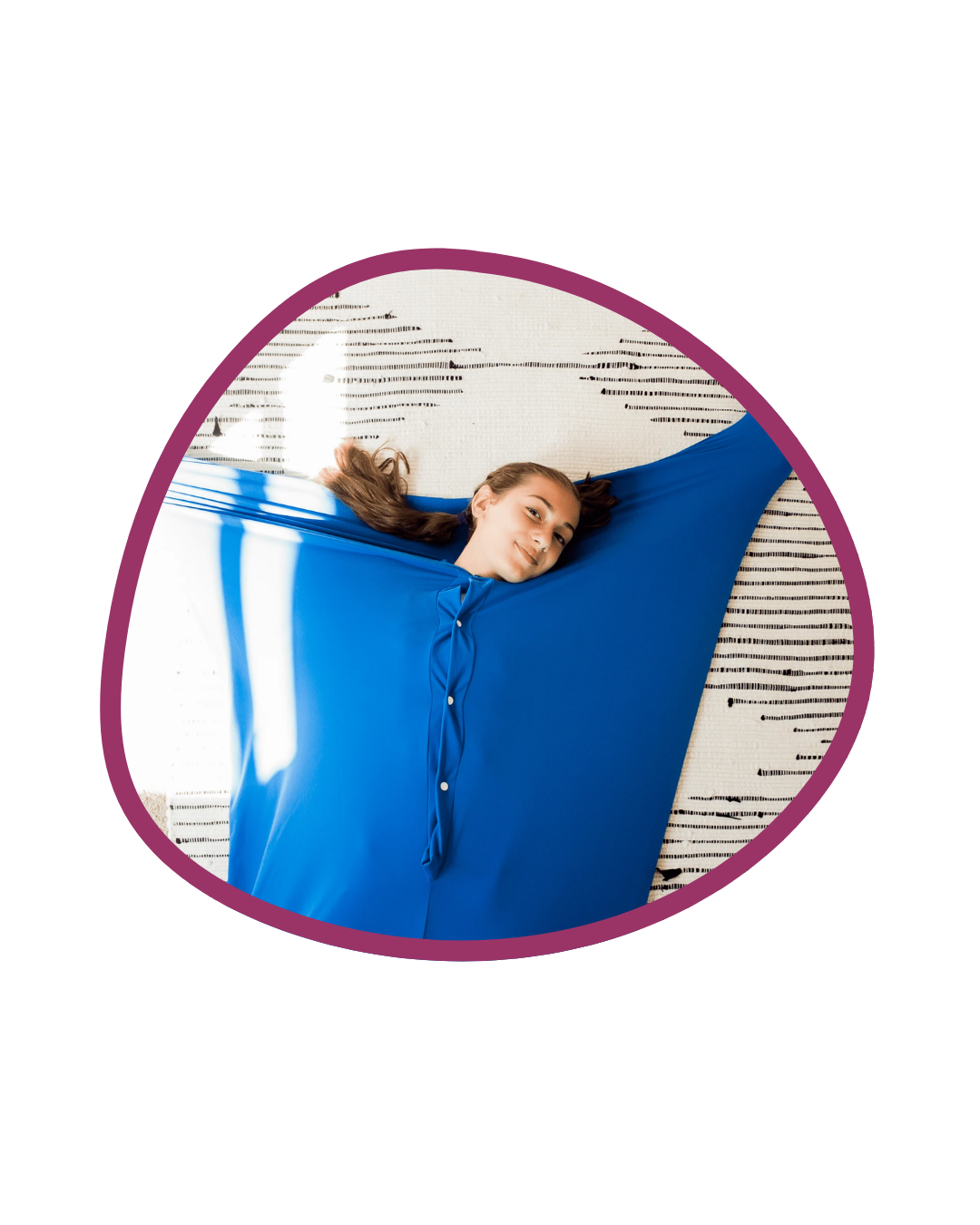
Deep pressure stimulation (DPS) means applying consistent, gentle weight or compression to the body.

This can be through weighted blankets, firm hugs (with consent), compression garments, or activities like pushing/pulling heavy objects.

How does it work?

Deep pressure activates the body’s proprioceptive system and sends signals to the brain that help reduce anxiety, increase focus, and create a feeling of safety. This can be particularly beneficial for individuals who may experience sensory overload or dysregulation!

Here are a few suggestions for activities based on age groups that incorporate deep pressure!

Young children (ages 2-6)

  • Compression hugs or “body sandwich” with cushions
  • “Steamroller” game (child lies under a blanket/mat or cushion and is gently rolled
  • over with pressure)
  • Rolling in a blanket (like a burrito)
  • Animal walks: bear crawl, crab walk — heavy work through limbs
  • Tug-of-war or pulling toys

Children (ages 7-12)

  • Weighted lap pads during seated tasks (school, homework)
  • Heavy work jobs: pushing laundry baskets, carrying books, stacking chairs
  • Deep pressure massage or brushing protocol (e.g., Wilbarger)
  • Yoga poses with joint compression (downward dog, child’s pose with hands
  • pressing into floor)
  • “Pillow pile crash”: jumping into a beanbag or soft pile
  • Fidget tools that provide resistive feedback (therapy putty, stress balls)
  • Introduce self-advocacy: “When I feel jittery, I can do __ to feel better.”

Teens (ages 13+)

  • Compression vests or snug athletic clothing
  • Weighted blankets or wraps during relaxation, sleep, or transitions
  • Wall push-ups, planks, or resistance band exercises
  • Therapeutic massage or self-massage tools (foam rollers, vibrating pads)
  • Carrying a loaded backpack briefly (not for long periods)
  • Using gym equipment for proprioceptive input: rowing machines, resistance training

If you find that deep pressure works for you, it might be worth considering how this can be part of your everyday routine. Here’s a few examples of how deep pressure can be applied to your daily routine:

  • Morning: Wall pushes, body squeezes, weighted breakfast chair pad
  • School: Lap pad, heavy backpack (briefly), resistance putty during listening
  • Afternoon: “Heavy work” chores or play, trampoline or crash pad time
  • Transitions: Compression vest, bear hug, or pillow sandwich before car rides or errands
  • Bedtime: Massage, weighted blanket, yoga or child’s pose

When using these strategies, it is important to follow a number of safety tips!

  • Always person-led: Deep pressure should never be forced; it must feel safe and comforting!
  • Time-limited: Weighted blankets or vests should be used for 20 minutes at a time.
  • Observe response: Signs of dysregulation (sweating, agitation, zoning out) means it’s too much input.
  • Use appropriate weight: Weighted items should be around -10% of the child’s body weight, or minus 1-2lbs, depending on modality. Always ensure you are adjusting the weight and communicating with the person – deep pressure can vary for everyone!
  • Pair with co-regulation: Use deep pressure WITH verbal reassurance and a soothing tone.

Deep pressure is a powerful, non-verbal language of safety. It tells the body: you are grounded, you are held, you are safe. When used respectfully, it becomes a ritual of care, a bridge between nervous system healing and daily life.

Follow us on socials for more useful self-regulation tools and strategies!

Sensory Regulation and Play!

So far this summer, we have had a lot of fun at a whole host of different activity groups!

Every session run by our wonderful practitioners guarantees opportunities for play. Although our service users see these sessions as a chance to get involved in fun activities, what they may not realise is that our practitioners have designed activities around sensory regulation strategies so they are learning while they are playing!

Regulating our senses looks different for everyone, whether they are neurodivergent or not. We all have different requirements and varying factors that may impact our sensory needs. For many neurodivergent children, their senses can become easily overwhelmed which can manifest in flight, fight or freeze responses, often making it difficult for them to engage in day to day activities.

We spoke to Rebekah Moorhouse, one of our lead practitioners, who shared two types of regulation strategies: alerting and calming. These cover a variety of different energy levels and cater to lots of different sensory requirements.

Examples of Alerting Strategies

These strategies come in handy when a person is feeling withdrawn or sleepy. Some of these examples might help to stimulate the senses and work as an energy boost:

  • Fidget tools (spiky or resistive textures)
  • High energy movements like bouncing, jumping and dancing!
  • Bright or natural lighting!
  • Engaging in preferred interests/special interests

Examples of Calming Strategies

When a person is feeling too overstimulated, they may need some grounding techniques to relax. A few examples are:

  • Quiet spaces / sensory tents or dens
  • Sensory bins (soft rice, sand, water play)
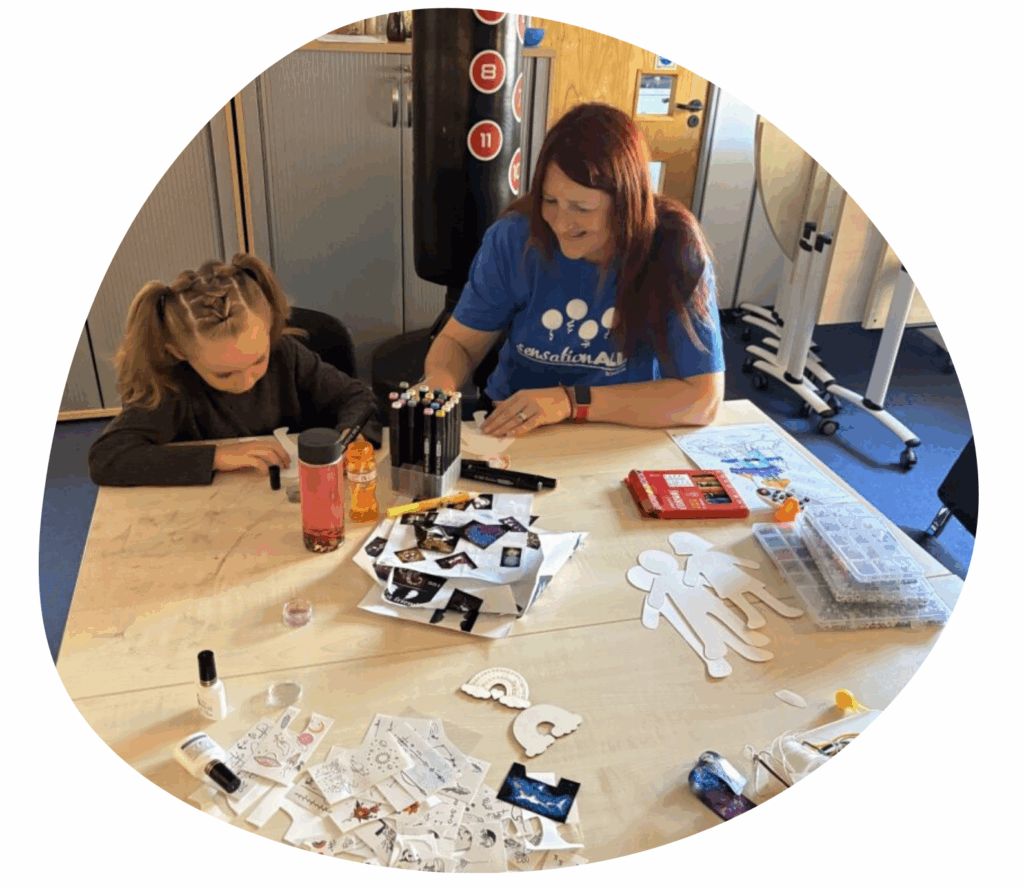
  • Journaling or drawing feelings
  • Slow, rhythmic rocking or swinging

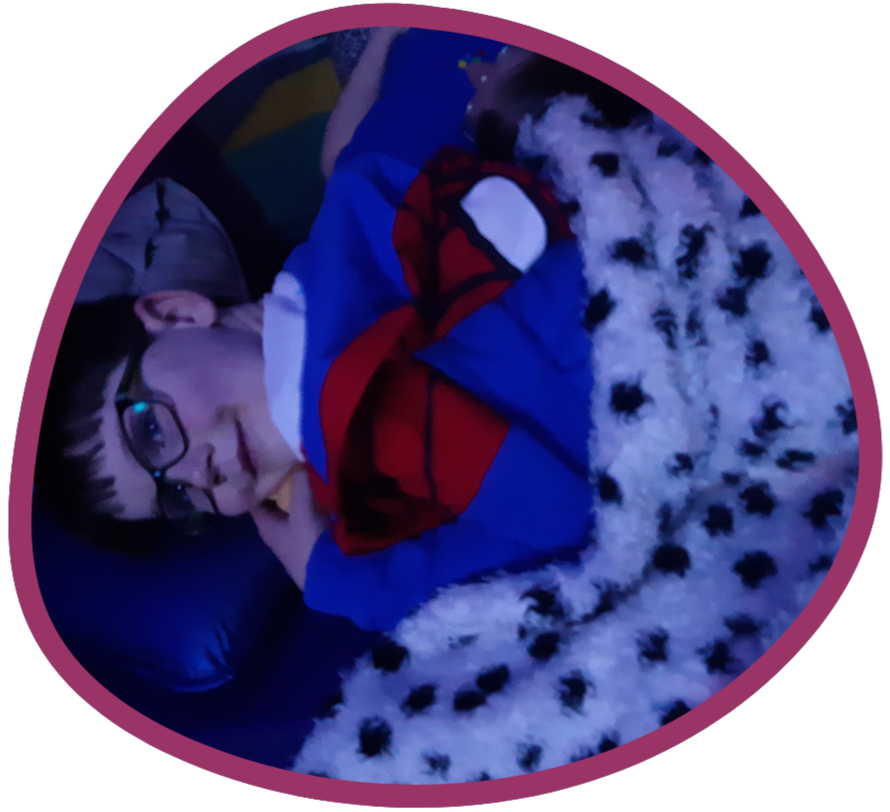
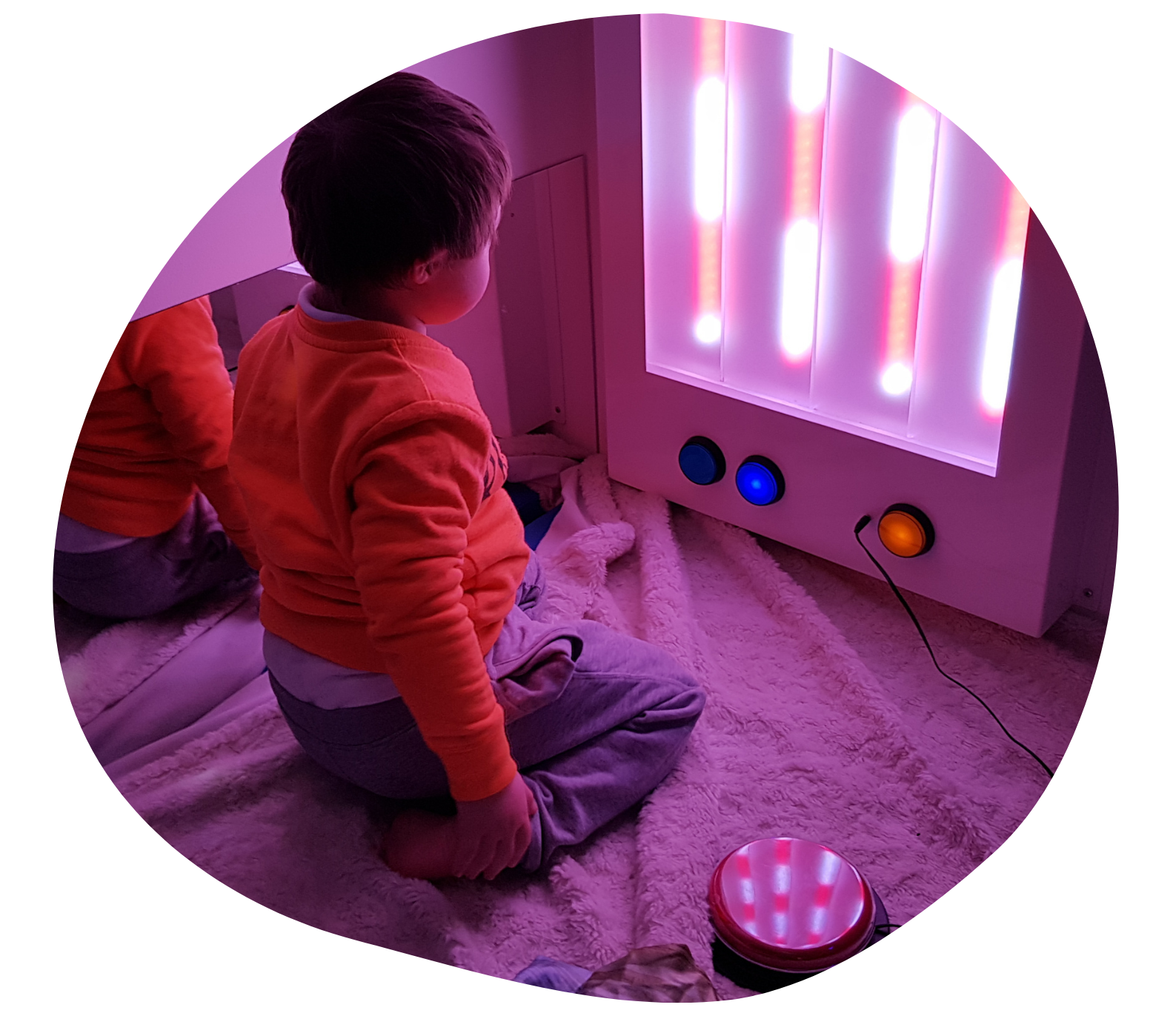
At SensationALL, our sensory rooms provide the ultimate space for peacefulness, with the use of colourful projectors, ambient music and comfortable surroundings. These safe spaces can also be recreated at home with any items that bring you comfort and help you relax, like fuzzy blankets and cushions.

There you have it! It can be trial and error to find what works for your child, but the summer months provide a great opportunity to experiment with different techniques. If you find something that works, why not make it a regular part of your routine!

Follow us on our social media pages for more top tips and information about upcoming events!