Self-regulation spotlight – Finished Box

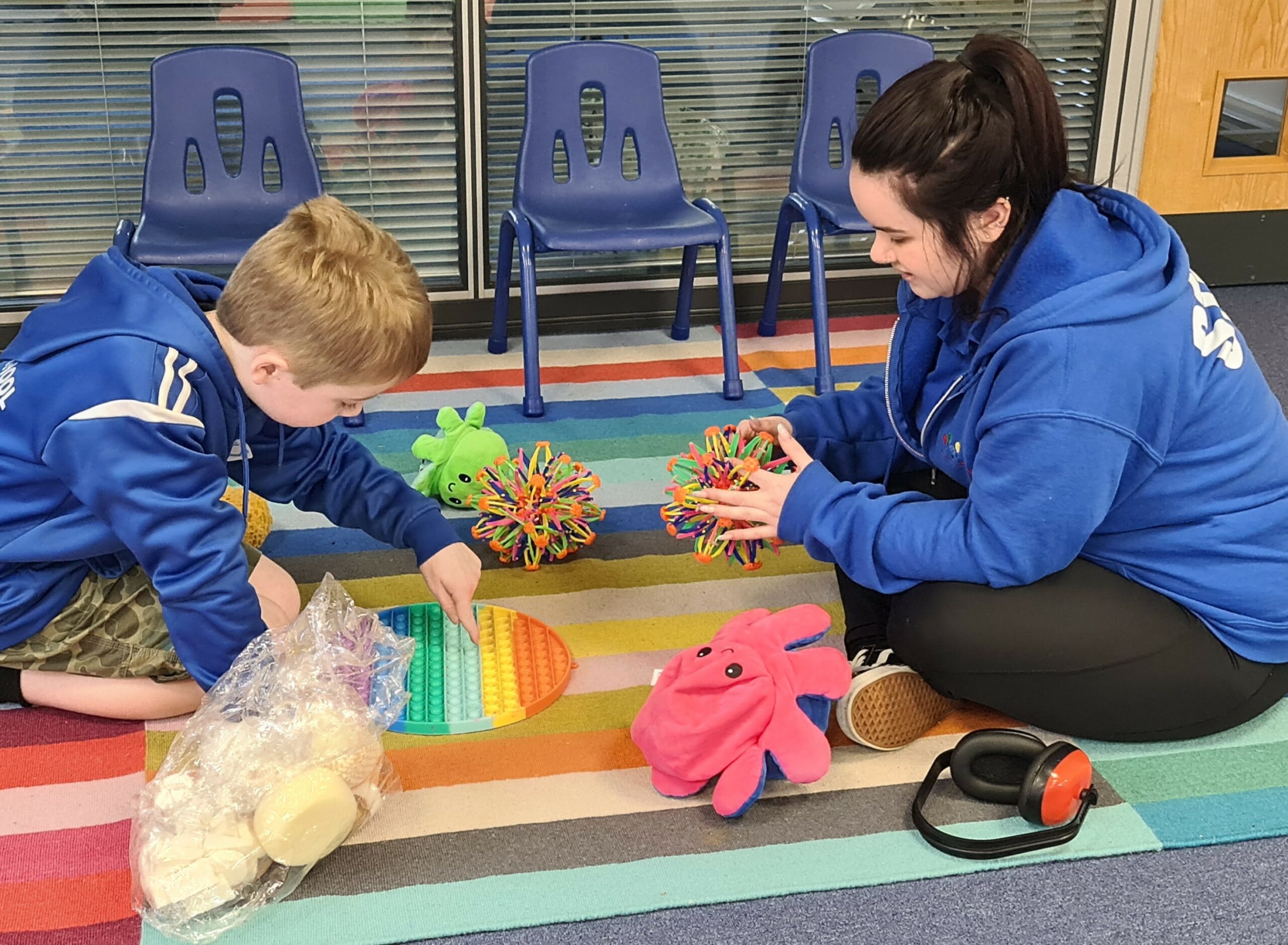
A Finished Box is a clearly marked container where children place items they are “done” with. Instead of throwing objects, clinging to toys, or hiding materials, children are offered a predictable way to signal completion.

It may sound small, but for neurodivergent children or those with sensory, attention/focus or executive functioning differences, this tool can be transformative in helping them determine when an activity or game is finished. For older youngsters, it could be used to mark the end of homework or tech time.

Neurologically, we all need closure to mark an activity as complete and for those who struggle to interpret signals a Finished Box is a tangible, physical method which provides:

  • A clear, consistent end-point (supporting executive functioning) giving the brain has a clear signal “when I’m done, it always goes in here
  • Predictable sensory-motor feedback – the motion of putting or throwing things in the box can release energy in a positive way (tactile/proprioceptive closure)
  • Reduction in overwhelm from too many items at once – minimising stimulus by ‘finishing’ with some toys/games before moving onto other items
  • Visible reassurance that items are “done for now” will help reduce stealing/clinging/throwing
  • Creates a predictable bridge for smoother transitions between activities

By introducing a Finished Box, we support the brain’s need for order and safety. This small adjustment creates calmer situations in play or activities, strengthens trust,and empowers children to move on with dignity.

Remember, if your child displays possessive or boisterous behaviour with toys or items, throwing or holding onto items isn’t “bad behaviour”, it’s communication! They probably enjoy the sensory stimulation from the noise and motion of throwing the item so by restricting throwing to the finished box only, you can redirect that energy into a positive outlet. For heavy or bulky items you can encourage them to be gentle when placing items in the box, praising them when they do a good job.

  • Have a Finished Box on standby during play activities or home tasks as part of their routine and model repeated use of the box in every activity so it becomes a predictable part of their behaviour.
  • Use consistent language when guiding children: “Finished? It goes in the Finished Box.”
  • Create a unique Finished Box when you need them to “let go” of items (toys, fidgets, comforters etc.) helping them transition away from reliance on those items more smoothly. 
  • Involve them in choosing which box is for different toys or rooms of the house.
  • Colourful boxes or tubs will help them identify what goes where as well as making it more visually interesting.
  • Why not make a finished box or bag to take out with you for small fidgets, comforters or toys.
  • Keep it going in adulthood – the same principles can work when you have to complete household chores, life admin etc.
Keep up to date with the latest SensationALL Self-Regulation Strategies on our socials!
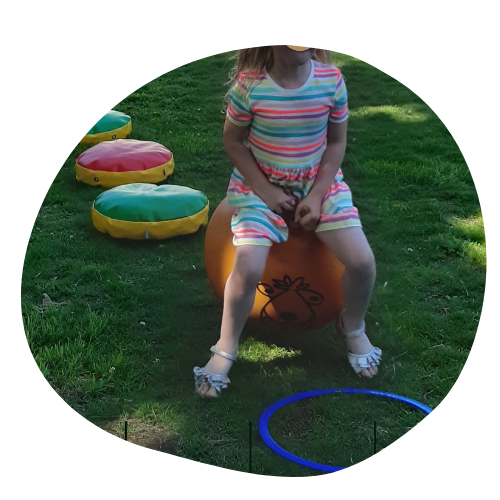
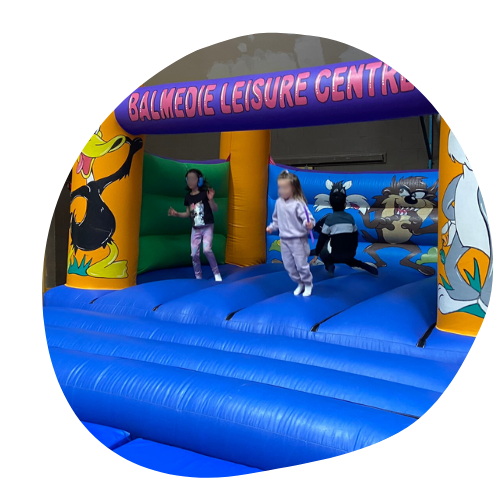
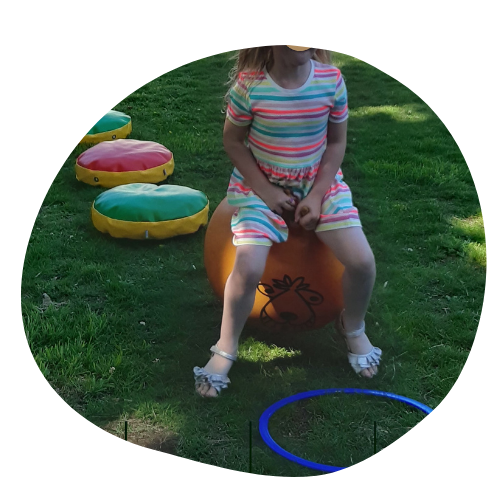
Self-regulation spotlight – Jumping!

Repeated up-and-down movements help people increase awareness of their body’s position and the force it is using, as well as supporting balance and spatial awareness. Jumping using trampolines, skipping ropes, hopscotch, or even simple “star jumps” on the spot all stimulate multiple sensory systems in the body which can have a positive effect on a person.

Jumping is a brilliant regulating tool because it combines heavy work (impact through the joints) with rhythm and repetition. For both children and adults, it can boost alertness and focus; for some people, it offers an outlet to release built-up energy or stress. It improves balance, coordination, and overall body awareness, making it both fun and regulating!

Regulation through proprioceptive input
o Jumping delivers high-intensity heavy work to joints and muscles, which can be calming for sensory seekers and organising for sensory avoiders.

Vestibular–proprioceptive integration
o The brain must process acceleration, deceleration, and impact timing and this is building spatial awareness and balance.

Motor planning & coordination
o Sequencing jumps, adjusting force, and landing safely develops praxis.

Core stability & postural control
o Maintaining upright position on unstable surfaces strengthens deep postural muscles.

Attention & engagement
o Rhythmic, repetitive jumping increases dopamine and norepinephrine, supporting focus

Top tips – use jumping as part of a sensory diet, as a proactive regulation tool in your daily routine. Finish a jumping activity with a grounding movement (heavy pushing, static wall sits or deep breathing).

Target games – jump to catch bubbles or a hanging scarf

Rhythm integration– jump to a beat or music (slow = calming or fast = alerting)

Heavy work combination– Jump then push a weighted cart or carry an object for sustained regulation

Cognitive integration– Count backwards while jumping or every time you jump, call out a shape/colour/animal

  • Always supervise jumping activities closely.
  • Use age-appropriate, well-maintained equipment (mini-trampolines, crash mats).
  • Clear the area of obstacles.
  • Teach safe mounting/dismounting.
  • Consider fatigue — high-intensity jumping may be exhausting for some children.
  • Monitor arousal levels — some children may become over-stimulated and need grounding afterwards.

Keep up to date with the latest SensationALL Self-Regulation Strategies on our socials!

Filling the gap in statutory services

As a third sector organisation, SensationALL was founded to make a real difference to hundreds of families and individuals across the northeast living with neurodivergent conditions or additional needs who need practical support and access to social opportunities that are suited to their sensory and behavioural needs. However, this year more than ever we are struggling to keep up with the mounting costs of continuing services in light of the challenging funding climate.  

Amidst the cost-of-living crisis, we are facing both a rise in operational costs and a fall in funding. This is at a time when lengthy waits for NHS assessments are resulting in increasing numbers of families being referred to us for pre-diagnostic support, adding to the strain on our services.  

In the last year, we delivered over 600 sessions which provided more than 520 different people with specially designed social groups and activities to suit their sensory and behavioural needs. However, demand is increasing faster than funding, and we urgently need to generate more income to expand the existing timetable.

Currently, we have over 1400 registered individuals with more people contacting us every week as SensationALL’s Chief Executive, Katie McNutt, explains:  

Our charity has been filling a gap in statutory services in the northeast for the last 13 years, stepping in to offer support when statutory organisations are unable to intervene due to no formal diagnosis being in place.

But even people with a diagnosis find there is a severe lack of social activities and support groups for neurodivergent people where they can make friends, build confidence and importantly, be themselves without judgement in places where their additional needs are accommodated.

Furthermore, parents and carers are in desperate need of practical advice so they can feel better equipped to support their loved-one to overcome challenges their conditions present in everyday life (from sleep to restricted diets to sensory processing issues and accessing education). 

In June, a shocking report was published by The Scottish Parliament; “Neurodevelopmental Pathways and Waiting Times in Scotland”, which outlines a concerning picture of neurodivergent care in Scotland: 

  • Over 42,000 children in Scotland are waiting for a neurodevelopmental assessment, and in some regions this figure has increased by over 500% since 2020. (Statistics as of March 2025) 
  • Increased awareness of neurodivergence in adults has also led to a surge in demand for adult assessments, and over 23,000 adults are waiting for a neurodevelopmental assessment in Scotland which has increased by over 2200% since 2020. 
  • The average longest waiting time to receive an assessment is 182 weeks (three and a half years).
  • Increased demand for support has led to increased pressure on the third sector, which provides a range of pre and post diagnostic support for neurodivergent people in Scotland. 

These statistics prompted a response from The Royal College of Psychiatrists in Scotland and the Child Heads of Psychology Services, who have created a proposal of a “new four-level neurodiversity pathway structure” which calls for a national approach to be taken to commissioning specialist third sector organisations providing support and services at all stages of the diagnostic journey”.

Specific examples of the support given by in the response include “establishing and maintaining peer support networks, and employability training” which mirrors much of what we are already doing without consistent funding.  

Katie explains how the charity would welcome this approach which would bring more much-needed sustainable funding:

A key part of our growth strategy is the ambitious and exciting redevelopment of The Old Schoolhouse, our headquarters in Westhill. We are eagerly awaiting the decision of a planning application to Aberdeenshire Council for the building extension, which will double the current footprint but will cost around £1 million in construction costs which we will have to fundraise for over the next couple of years.

The upgraded facility is desperately needed and will greatly enhance local services available to hundreds of families across the northeast – we are eager to engage with stakeholders who can support the project. 

The Old Schoolhouse

If you are interested in supporting SensationALL, please donate to our cause below, or if you have any other queries get in touch at info@sensationall.org.uk.

A SensationALL lifeline!

For many families, hearing that their loved one has a neurodevelopmental condition can be overwhelming. To those unfamiliar with conditions like Autism and ADHD, the prospect of living with lifelong sensory issues and behavioural difficulties is daunting and leaves parent/carers facing an uncertain future for their children.

There are very few statutory services available to families until a formal diagnosis is made and as the assessment process can be lengthy (and stressful!) this is often the time when they need practical support the most! Families don’t know where to turn and parents/carers frequently tell us they felt isolated and lost, unsure how to best support their child.

Awareness of neurodiversity is slowly improving however, there is still a lack of acceptance due to misunderstandings and the stereotyping of neurodivergent individuals.

Many families feel excluded from mainstream activities and public places as the noise, pace and size of groups is too much for their youngster to cope with. The emotions of a neurodivergent youngster are often heightened and as sensory triggers can lead to a “meltdown” (either physical or emotional) this can result in difficult situations when in public.

Families not only have to deal with the challenges of caring for a youngster with additional needs but they often worry about onlookers wrongly interpreting the physical responses of their over-stimulated neurodivergent child (such as screaming, biting, hitting or throwing things) as bad behaviour when, it is their way of telling us they are struggling with the environment around them. Even their harmless stimming (hand flapping, swaying, repetitive noises etc.) attracts unwanted attention from curious strangers.

As a result, most parents dread being judged by strangers so being in public can be an anxious, stressful experience – something as simple as popping to the shop, eating out or being in a busy play park can be a minefield for families living with neurodiversity.

SensationALL was founded with the aim of filling that gap for families in the northeast of Scotland who are unsure how best to support their child or young person. We make it our mission to provide inclusive play and social opportunities that are tailored to the sensory and behavioural needs of youngsters with additional needs while sharing our knowledge and expertise with parent/carers who want to learn more about neurodiversity.

We believe everyone has a right to be accepted as they are and have access to fun, beneficial recreational activities that is suitable for their needs. Our specialist team of staff are committed to sharing practical techniques and strategies for individuals and their families to use in everyday life that will make them more resilient and able to cope with overpowering emotions. We aim to empower them with skills that enable them to reach their full potential in life.

Rebekah’s story:

One of our families, who found SensationALL after struggling to cope with the prospect that all four of their young children have Autism wanted to share their story recently.

Each of the children have different sensory and behavioural needs which makes parenting extra difficult and going out in public is not an easy thing for them. Thanks to our family soft-play sessions, they can all come together to enjoy quality time in our soft play and sensory facilities. Plus, their eldest Kaleb, has benefited from attending Chill-oot, our self-regulation programme that promotes emotional awareness for youngsters and teaches them coping strategies for when they are overwhelmed.

Watch: Rebekah tells her story in her own words.

https://youtu.be/HLqnLUqNMRM

SensationALL provides social groups, sensory play sessions and advisory services to those of ALL ages with ALL conditions and for ALL members of the family. If you would like more information about any of the services available you can read more here or email us at info@sensationall.org.uk.