Preparing for Back to School

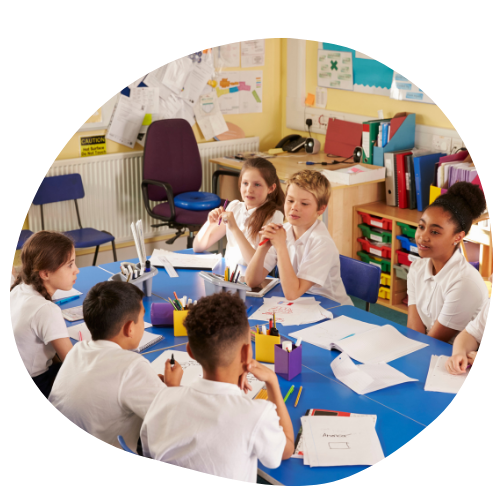
Take a read below at our top tips for helping your child transition back to school.

You can start getting ready for the school routine before the summer holidays finish. There are lots of easy small things you can do that you can start now:

  • Organise some playdates with school friends in advance of going back
  • Adjust breakfast and lunch times to be similar to the school day
  • Let children be involved in the back to school purchases – bags, uniform, shoes.
  • Practice putting on school uniform and packing school bags
  • Drive or walk past school the week before school starts to get familiar with the environment
  • Help with sensory triggers: wash uniform and cut off any itchy labels in advance
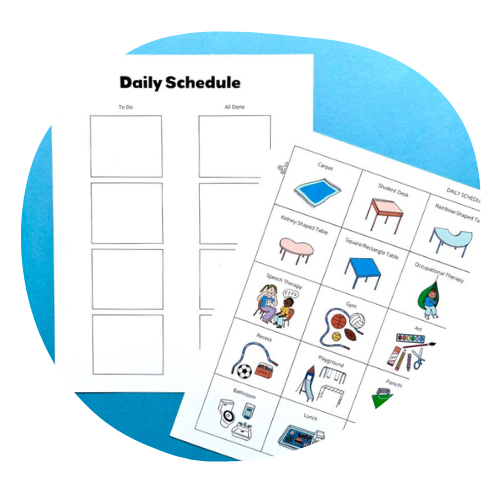
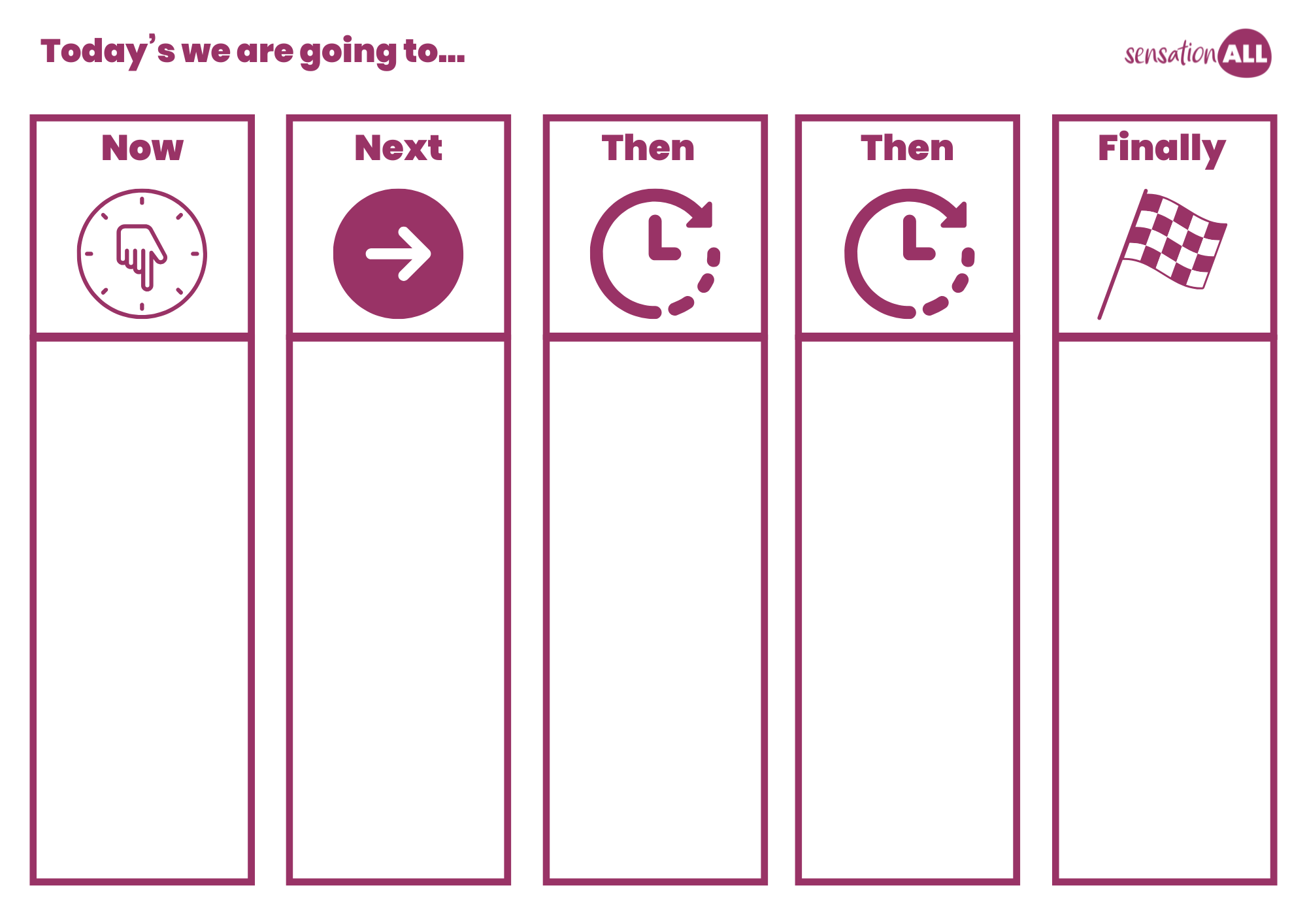
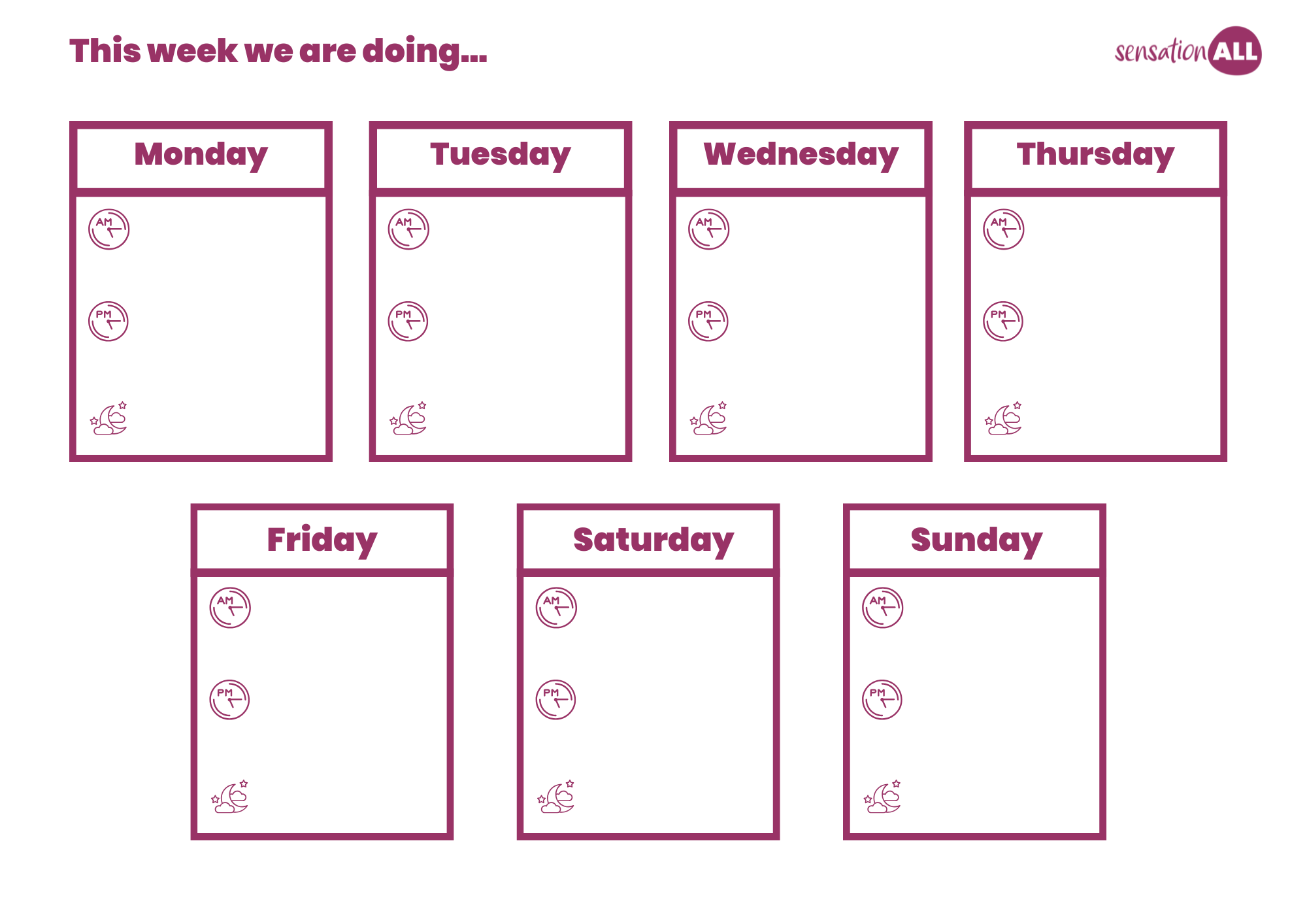
  • Make a visual timetable for your day/week. You can use our template!

A social story is a tool we use frequently at SensationALL to help explain social situations and to help with understanding expectations. You can create a social story to explain the back-to-school transition. There are lots of examples of these online. AI tools are another great way of creating these.
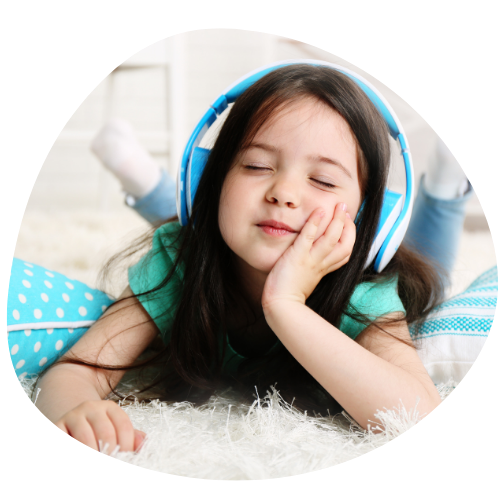
  • Expect the after-school meltdown/shutdown: it’s not surprising that meltdowns/shutdowns are hugely common when children get home to their safe space. Planning for these can help you support your reaction
  • Offer a quiet space: offering downtime, snacks or low-demand activities like fidgets or colouring before asking about their day can make for easier conversations later
  • Keep your evenings simple: providing easy/accepted meals and reducing extra-curricular commitments for the first few weeks can make life easier for everyone
  • Ask school to send a picture of the new classroom and teacher in advance so your child can see where they are going and who they will meet
  • Create a ‘School Passport’: this short document helps staff get to know your child’s likes/dislikes, triggers and worries. You can use our template.
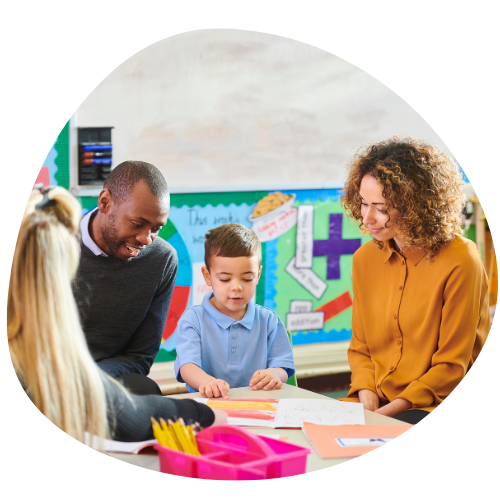
Transitioning back to school can be a tricky time for both children and parents, but there are steps you can take to make the transition more predictable. Taking the pressure off any unnecessary elements of your week can allow for the extra downtime needed until everyone settles back into the routine. Positive affirmations go along way – both for you and your child!

Check out more top tips on a variety of topics here.

A Summer Holiday Toolkit

We know that for many neurodivergent children and young people or those with additional support needs, the lack of a predictable routine during the summer holidays can create challenges with regulation, emotional wellbeing, sleep, and relationships, making things tricky for the whole family.

At SensationALL, we encourage our families not to plan a perfectly structured summer, but to create just enough predictability, connection, movement, and sensory support so that everyone can thrive and get the most out of the holidays.

The school term offers:

  • Predictable routines
  • Clear expectations
  • Familiar environments
  • Regular movement opportunities
  • Social structures
  • External time anchors

During the holidays, many of the routines, structures, and supports that children rely on disappear. For many children, this can lead to increased dysregulation, difficulties with planning and managing their time, and heightened sensory challenges due to crowded places, hot weather, or changes in clothing. For parents and carers, this can often mean an increase in meltdowns, shutdowns, anxiety, and emotional sensitivity during these periods.

We suggest families look to set a rhythm for their days rather that a strict schedule. This helps children and young people have predictable elements throughout their day, while still allowing for the flexibility that is often needed in the holidays. Maintaining routines around mealtimes and bedtimes is a simple way of keeping consistency in your day.

An example of setting a rhythm might look like this:

While filling your days may be tempting to keep the weeks flowing, this can end up being exhausting and overwhelming for everyone. Our top tip would be to make sure you build in some rest/down time in between activities or days.

It can also be really helpful to use timers to set expectations for how long elements of your day will last.

Holidays and days away from home are fun and exciting, but they also bring new challenges. When everyone is away from the familiar environment of home, we lose some of the control and predictable elements of our day.

To manage some of these challenges you can:

  • Show photos or videos of the desination/journey process
  • Use role play in advance to act out certain elements like going through airport security
  • Ask for support from airlines, train companies, activity providers
  • Predict where you might have waiting times or long journies and have a way to keep children entertained

Sleep can be another challenging element of the holidays due to changes in routines meaning later nights, not to mention lighter nights and mornings. If possible, think about:

  • Consistent wake up times
  • Reduced evening stimulation
  • Blackout curtains to block out the evening and early morning sunlight
  • Calming sensory input
  • Setting a predicable bedtime routine

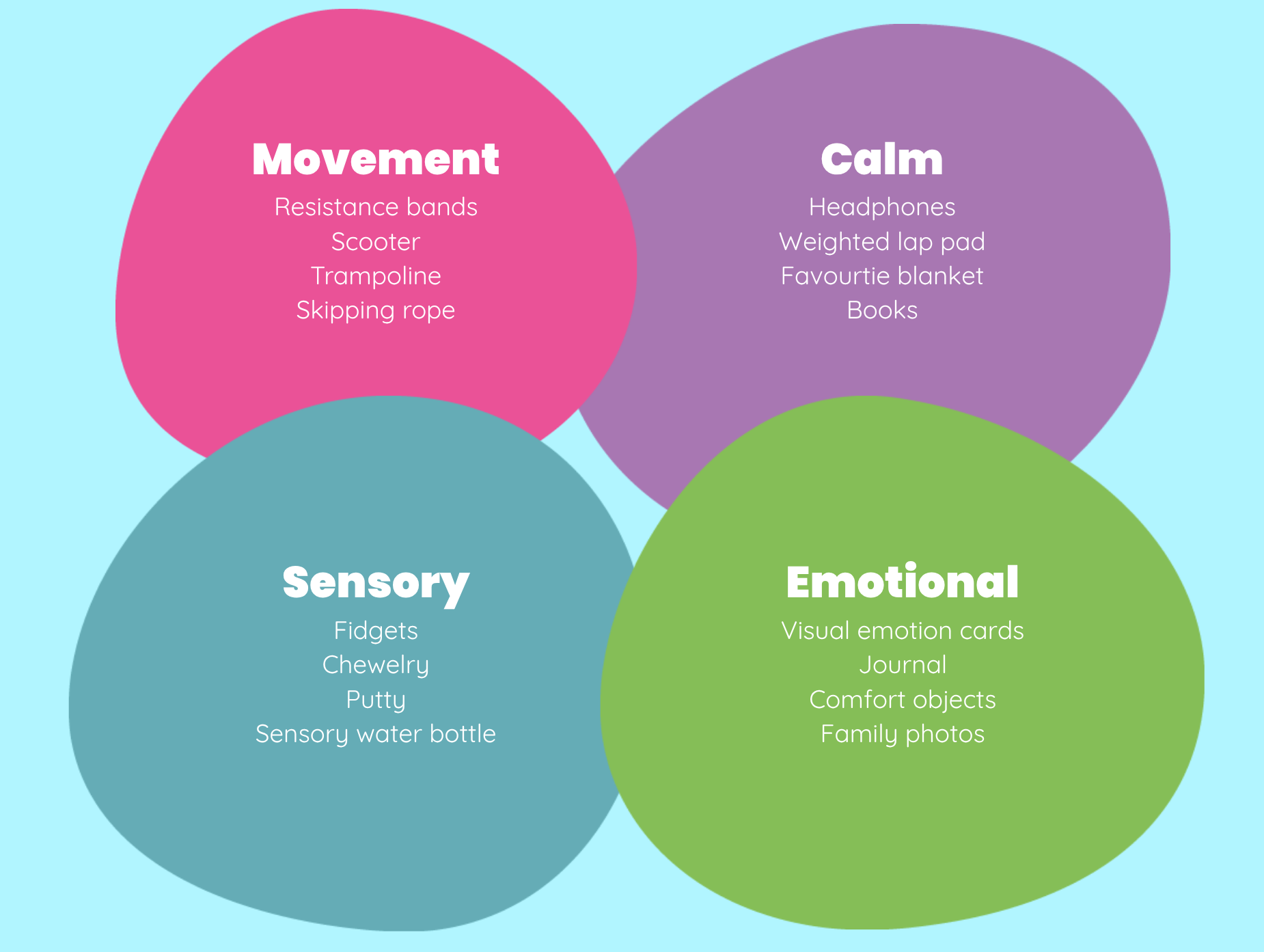
Having a regulation toolkit for your child means that you have quick resources on hand when both you or your youngsters are finding things tricky. Each toolkit will look different depending on what works for your family. You can switch out elements of your toolkit so it can be portable and flexible!

Check out how to build your toolkit below:

The summer holidays are long and present lots of new challenges, but by using some of our tips you can reduce some of the stress and build predictability and regulation into your child’s days.

It’s equally important, however, that as parent and carers you take time to look after yourself . This might look like accepting your limits, taking 10 minutes with a cup of tea or connecting with another parent who “gets it”.

Remember, children are most likely to remember the simple things: water fights, building a den or calm moments on the sofa where they feel safe and connected to you. So don’t aim for a perfect summer, just find a rhythm that works for you and your family.

Check out more top tips on a variety of topics here.

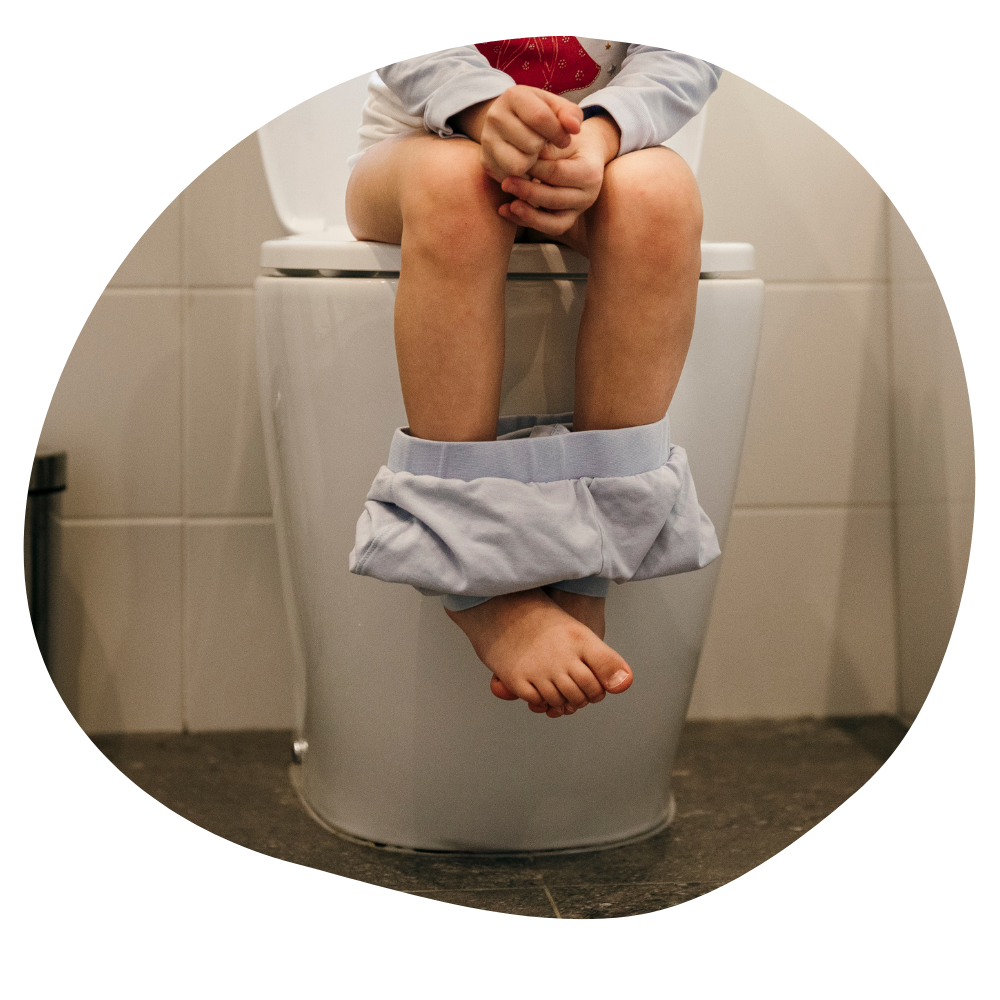
Toilet issues

  • They don’t notice the signals
  • They notice too late
  • Toilets are an overwhelming place
  • Fear of the flushing noise or smells
  • They have lower body awareness or sequencing
  • Transitions are difficult for them anyway

So how do we support children and youngsters with toilet training and everyday use of the bathroom? Read on for our top tips on how to ease the experience…

Firstly, it is crucial that you support them gently, compassionately, and at a pace they are comfortable with to avoid stress, shame, pressure, or even trauma around their bodily functions.

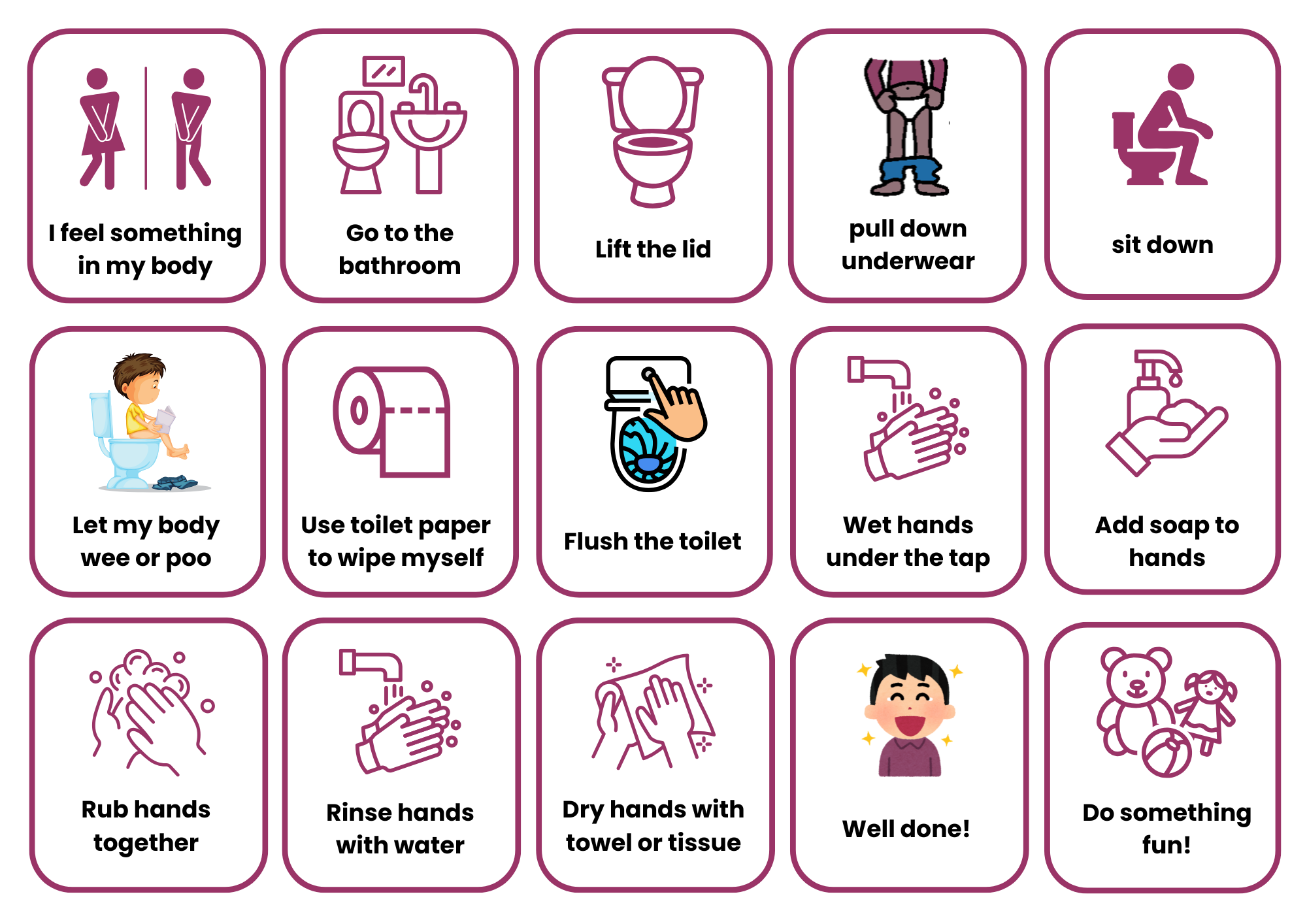
Stick to the same routines and the same sequence of events because that equals safety.

  • visit the bathroom at same times of day
  • follow the same steps before and after using the toilet
  • use visual aids
  • be consistent with wording and use of a calm voice
  • provide the same tools (footstool, step, their favourite scent of hand soap etc.)

Visual sequences are particularly useful with children and adults who have limited verbal communication. You can download our printable visuals here:

Using the toilet is a sensory experience involving the interoceptive system which is how your body notices and understands internal signals like hunger/thirst, temperature, pain and much more including the urge to need the toilet etc.

A lot of neurodivergent people don’t recognise these signals until they are urgent. While others may feel them too intensely so the slightest feeling is overwhelming which the try to suppress.

So remember to be patient when accidents happen as often it isn’t a deliberate action to withhold or avoid the bathroom but they may find it difficult to interpret, understand or trust what their body is telling them.

How to help:

  • Talk about the feelings “tight tummy”, “pressure” etc.
  • Use visual scales for them to rate how they feel (1-5 or smiley/sad faces)
  • Footstools are great for young children who feel unstable when sitting on the toilet with their legs dangling. Not to mention that bringing their knees up is better for toileting.
  • Give choices – “flush before or after washing hands”, “dry hands with a material or a paper towel”.
  • Avoid shame – no embarrassment, punishment or pressure. If they feel safe and supported they are more likely to have a positive experience.
  • Celebrate the successes! Small wins are worth celebrating e.g. sitting on the toilet for only a few seconds, communicating discomfort, tolerating the bathroom environment etc.

The bathroom can be an overwhelming experience – lots of sounds (running water, flushing toilet, extractor fans etc.), cold surfaces, strong smells (good and bad!), bright lights etc. For a sensory sensitive nervous system, that can feel overwhelming, unsafe, or even painful. And when anxiety enters the body, the body often tightens making toileting even harder.

So shift from asking: ‘Why won’t this child use the toilet? to… what might be making toileting feel difficult, unsafe, overwhelming, or inaccessible?

  • Change the toilet seat (e.g. soft child seats rather than cold plastic ones)
  • Use bath mats or rugs on hard floors to soften the environment
  • Avoid using extractor fans or electric hand dryers
  • Change the light bulbs to reduce the brightness
  • Choose hand wash they like
  • Bring some toys or fidgets into the space
  • Reframe the room as somewhere fun

When supporting someone with sensory sensitivities remember… if we can understand them a little better, we can avoid accidentally making them feel ashamed about their responses to their bodily functions.

Use reassuring language and a calm tone of voice because a regulated adult will co-regulate the child’s nervous system. When adults become anxious, rushed, frustrated, or overly focused on success, children often feel that pressure in their body.

And most importantly, remember progress does not need to be huge to be meaningful. Small, consistent, compassionate changes will create the biggest shifts over time.

Check out more top tips on a variety of topics here.

Tackling food challenges

Child holding a fork with green vegetable on it, looking disgruntled

Read on to explore what’s going on with your nervous system regarding eating. Plus get some ideas and tips of how to tackle hurdles you experience. It’s important to remember we shouldn’t force anyone towards eating foods they are not ready for. We recommend supporting them gently, compassionately, and safely to avoid stress, shame, pressure, or even trauma.

Neurodivergent people are more likely to experience food sensitivities with:

  • Texture
  • Smell
  • Mixing different foods
  • Strong temperature preferences
  • Struggling to sit at a table for mealtimes
  • Feeling of food in their mouth

This isn’t because they are being picky or stubborn but often because their nervous system is identifying the food as unsafe. For some people, certain foods can genuinely feel unbearable… e.g. a yoghurt is slimey and disgusting. Mixed food on a plate is uncontrollable. A smell could be overpowering. Crunching noises may feel painful.

Plus, the environment before and during mealtimes can also be overwhelming – the cooking noises, the smells and the sensory disruption can trigger dysregulation before food is even presented.

The majority of neurodivergent people will have a restricted diet of a few ‘safe’ foods and often they are processed foods rather than fresh fruit or vegetables – have you ever wondered why?

Simply because those foods are more predictable! Crisps, chips, chicken nuggets etc. are fairly consistent in their texture, appearance and flavour. Compare that to a bowl of strawberries – some are firm, some are soft, some are sweet, some a little sour – that uncertainty can be upsetting for people with sensory issues so they stick to the foods they are comfortable with.

Many neurodivergent adults will tell you they spent years hearing things like: “Stop being picky.” “Just eat it.” “You’re fine.” “Don’t be fussy.” And unfortunately those comments can make the person feel shame which has a negative effect on them and is likely to increase their resistance.

When supporting someone with sensory sensitivities remember… they aren’t being dramatic or spoiled when they refuse food – it is their body telling them the food or eating experience is unsafe. If we can understand that, we can avoid accidentally making them feel ashamed about their responses to food.

Before:

  • Prepare with some regulation work before meals – active movement, heavy work, deep pressure, breathing exercises etc.
  • Minimise sensory load – reduce noise, clutter, or pressure.
  • Get them involved in the food preparation – chopping, stirring or plating up the food.
  • Give them choices of plate/bowl/cutlery. Using divided plates can reduce sensory overwhelm of different foods.
  • Keep things relaxed – don’t insist on formal eating – eat where they are comfortable sitting (it doesn’t have to be at a table) to reduce pressure.

During:

  • Eat together so you can model eating the same food as them.
  • Try food exploration – let them smell, touch and play with the food. Don’t force them to take bites/spoonfuls to avoid distress. Allow them go at their own pace with trying new foods. Celebrate the small wins – success could be tolerating, exploring or staying calm during the meal even if they don’t eat the food.
  • Respect their sensory preferences: minimise what they don’t like e.g. crunchy, smooth, bland, warm/cold etc.
  • Food chaining can be really helpful to gradually link new foods to foods they already feel safe with.
  • Having safe foods available alongside new food helps them feel secure.

Throughout:

  • Choose language carefully – supportive comments and lots of praise.
  • Take breaks if needed – there is no rush, let them take a break to move or regulate.
  • Keep it fun – make it a social experience with family and friends or play a game, listen to music while eating – whatever suits them best.

But most importantly, remember progress does not need to be huge to be meaningful. Small, consistent, compassionate changes will create the biggest shifts over time.

Check out more top tips on a variety of topics here.

Regulate with movement

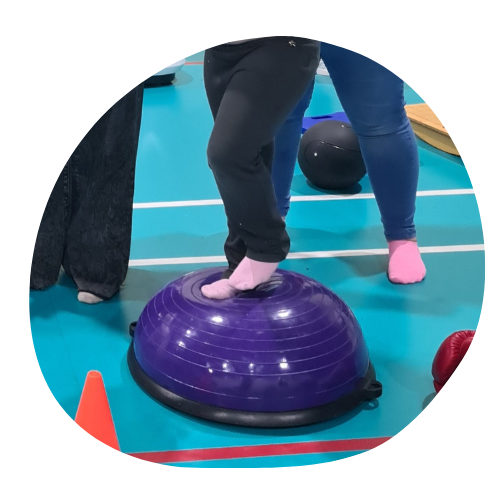
a child's feet balancing on a dome shaped BOSU ball

Does your child frequently bounce, wobble, climb, or constantly move? Or maybe you feel the need to keep moving, fidgeting or rocking. This is often the nervous system’s way of asking for organisation, grounding, or regulation.

One tool that beautifully meets this need is the BOSU ball.

This post explores how a BOSU ball supports regulation, focus, and sensory processing and offers gentle, affordable alternatives if buying one isn’t possible. Though – keep an eye out on second hand ones (Facebook marketplace are often where we find ours!).

A BOSU ball is a simple but powerful tool that we use all the time at SensationALL.

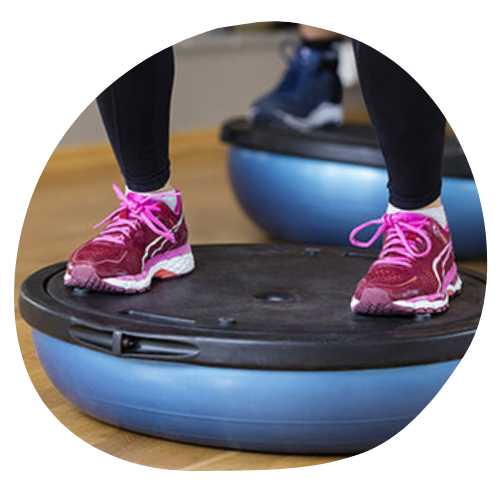
Originally designed as fitness device for balance training, they have two sides – a soft dome shape and a flat, hard base (sometimes with ridges for grip). When the dome side faces up, the BOSU ball provides an bouncy surface and when you flip it over, you can stand on the flat side which is a little wobbly.

The gentle bouncing or wobbling from using either side gives the body important feedback through muscles, balance, and posture. This kind of movement helps the nervous system settle and organise itself, helping you to feel calmer, more grounded, and ready to focus.
You don’t need specialist equipment to support regulation at home. The body responds to input, not brand names!

You can get the same movement and sensation from:

  • A stack of cushions or pillows – stand, kneel or sit on them to activate your core and improve body awareness
  • Yoga mat & towel – roll the towel and place it underneath the mat to create that wobble effect. Great if you want barefoot balance work.
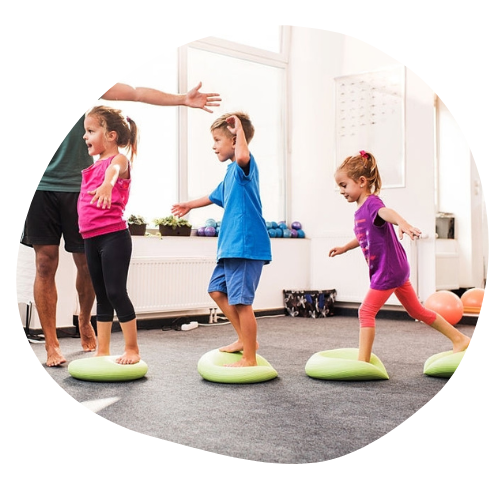
  • Inflatable cushion or wobble disc – much cheaper than a BOSU but provides similar postural and balance input.
  • Space hopper or gym ball – again these are easier to buy for home and will be great for bouncing – use slow for calming regulation or fast to stimulate (but avoid chaotic rhythms if calming is the goal!).
  • Stepping stones – Either bought or make your own with cushions, blankets or paper taped to the floor. They will encourage controlled movement and focus.

Movement strategies are not rewards or distractions – they are much-needed support. When someone is seeking motion it is often because they are trying to feel:

  • Safe in their body
  • Organised inside
  • Able to engage with the world

Whether you are using a BOSU ball, a cushion or something else, the magic effect will be the same:

Keep up to date with the latest SensationALL Self-Regulation Strategies on our socials!

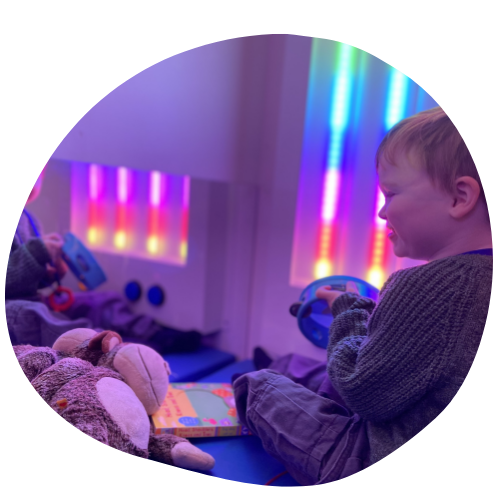
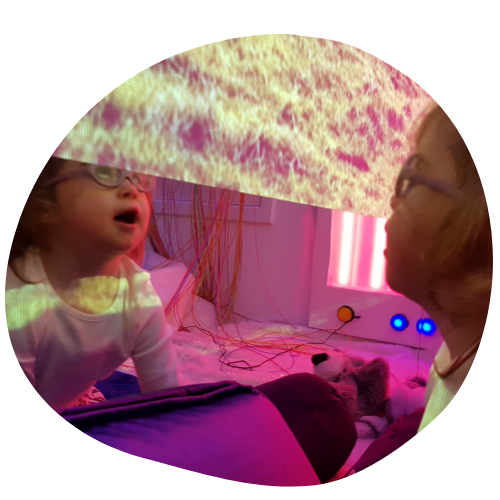
Regulate with sensory lights

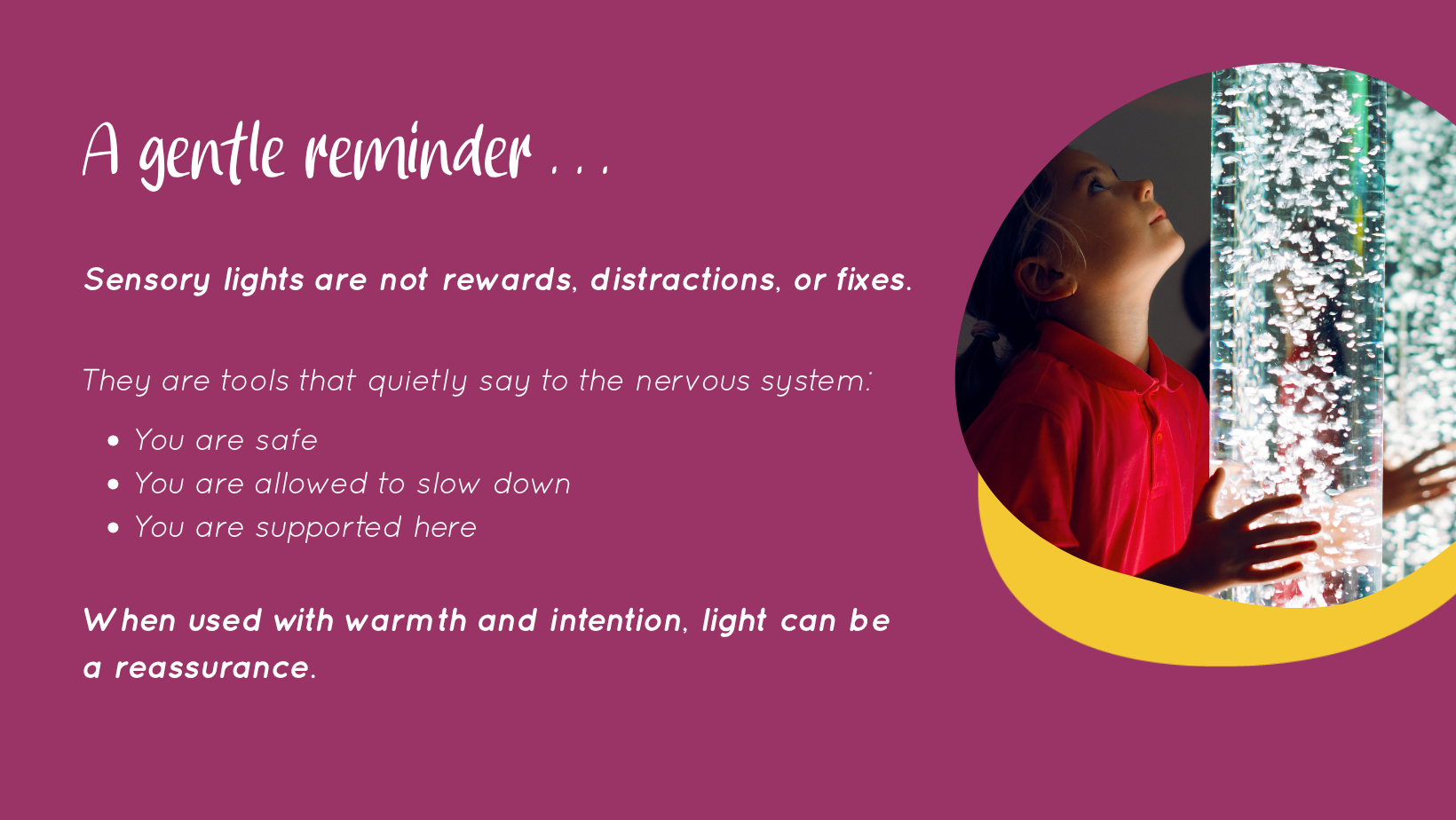
Whether you are supporting a child at home or learning to regulate your own nervous system, light can become a great resource in your toolkit, rather than a ‘nice-to-have’.

Light doesn’t just help us see. It talks directly to the brain.

The brain uses light information to decide:

  • Am I safe or on alert?
  • Can I rest or do I need to act?
  • Is this environment predictable or overwhelming?

For sensitive or neurodivergent nervous systems, lighting can either soothe the body or quietly push it toward overload. The key is how the light is used.

When emotions are big, bodies are tense, or the day has been long:

When energy is low, attention drifts, or transition feels hard:

Some children (and adults) are very sensitive to light. Watch for:

  • Covering eyes
  • Turning away
  • Increased agitation or withdrawal

If you see these signs, the light may be too bright, too fast, or the wrong colour. Choice matters. When possible, let your child decide:

  • Which colour feels best
  • When to turn it on or off
  • Where it sits in the room

Sensory lights can support adults who:

  • Feel overstimulated or anxious
  • Struggle to wind down at night
  • Experience sensory overload
  • Need help transitioning between work and rest
  • Soft lighting in the evening instead of overhead lights
  • A consistent “calm light” after stressful moments
  • Using light intentionally during breathwork or rest

Keep up to date with the latest SensationALL Self-Regulation Strategies on our socials!

Understanding your senses – hearing

For some people, sound feels calming and grounding. For others, it can feel confusing, distracting, or overwhelming. This guide gives you an easy way to understand what you, or your child, might be experiencing, and how to find calm, connection, and comfort at home.

Auditory processing is the brain’s ability to:

  • notice sound
  • filter out background noise
  • understand speech
  • tell where sound is coming from
  • use rhythm and tone
  • stay regulated in noisy spaces

When this system works smoothly, people feel settled, focused, and ready to learn or play. When it struggles, their behaviours will often show this.

When we hear sound, it goes straight to the part of the brain that decides “I’m safe” or “I’m not safe.”

For sensitive nervous systems, this can mean:

  • small sounds can feel huge
  • sudden noise can trigger fear
  • silence feels calming
  • loud, rhythmic sound can feel grounding
  • music helps regulate emotion
  • predictable sound feels safe

There are two common ways in which people can respond to sound: over-responsive and under-responsive. They can be seen in children, teens and adults.

Over-responsive is when sound can feel too much. This happens in children, teens and adults. You might notice:

  • Hands over ears
  • Avoids noisy places
  • Gets upset with sudden sounds
  • Startles easily
  • Prefers quiet and calm
  • Meltdowns or anxiety which is triggered by noise
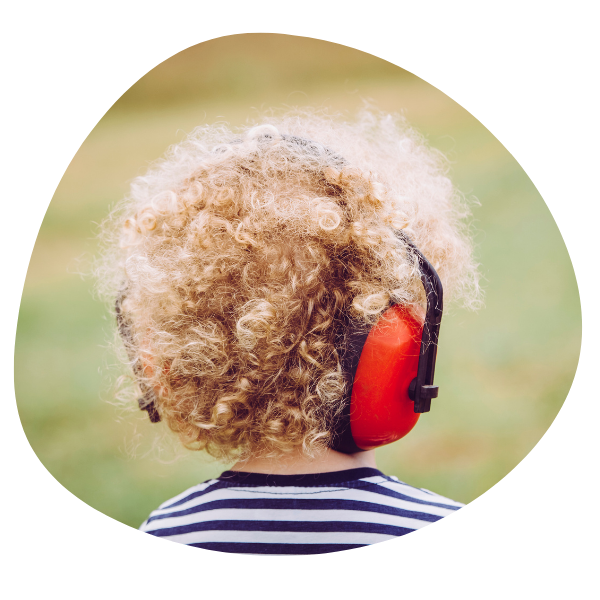
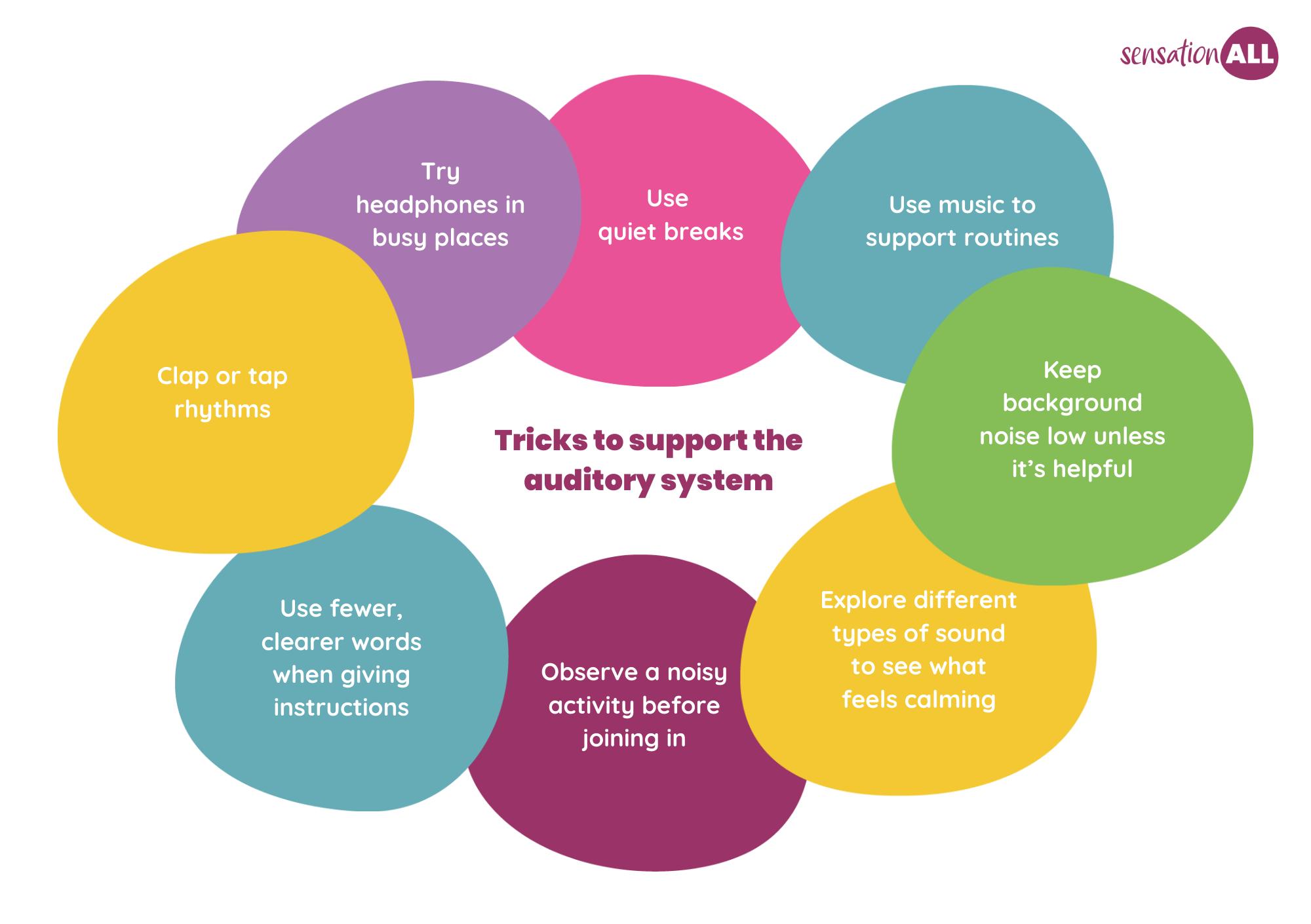
  • Noise-reducing headphones
  • Reduce background noise
  • Warn them before any loud sounds
  • Speak slowly with fewer words
  • Create a quiet corner at home
  • Use soft rhythmic music

Under-responsive is when sound does not register strongly enough.

  • Doesn’t respond to their name right away
  • Needs instructions to be repeated
  • Turns music up loud
  • Seeks noise (hums, taps, bangs)
  • Enjoys busy, loud environments
  • Struggles to focus without sound
  • Use songs and rhythms for routines
  • Add movement and sound together (clap, drum, stomp)
  • Clear, short instructions
  • Listening games
  • Musical toys or instruments
  • Use a sound to cue to get attention

Supporting the auditory system isn’t about forcing tolerance. It’s about helping the nervous system feel safe, steady, and understood!

Keep up to date with the latest SensationALL Self-Regulation Strategies on our socials!

Regulate with floor time

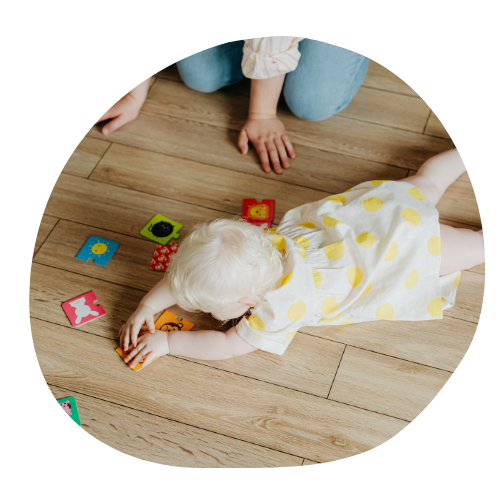
For many neurodivergent people, the floor is a powerful regulation tool. Floor time isn’t about getting in the way, making a mess or being lazy… it is about the nervous system feeling safe, grounded and supported.

Before you can focus, listen, learn, or communicate your nervous system needs to feel settled.

Neurodivergent nervous systems often process sensory information differently.

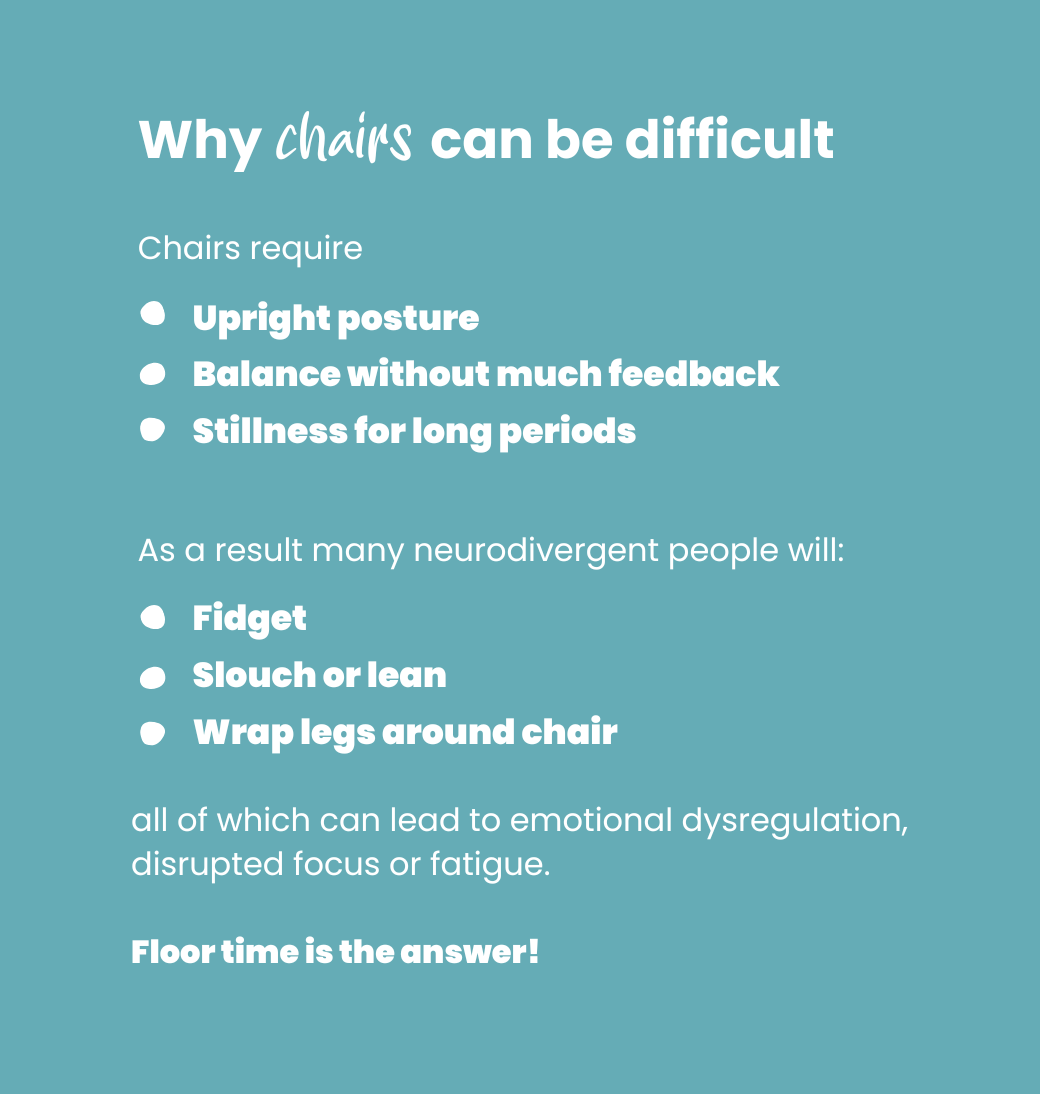
Sitting upright on a chair, staying still, or holding a particular posture can take a huge amount of effort, leaving less energy for learning or emotional regulation.

There is a scientific basis to support the use of floor time:

1. Proprioception: Feeling grounded and secure

Proprioception is the sense that tells us where our body is in space. When you sit or lie on the floor, you receive:

  • Firm contact through the legs, hips, and spine
  • Gentle pressure through muscles and joints
  • Clear feedback about where your body is
  • Input that helps the brain feel safe and organised.

The floor gives the body more information, more sensory feedback, and more support, which helps the brain relax.

So ultimately, being on the floor can reduce anxiety, support emotional regulation, and make it easier to concentrate.

2. Vestibular input: Balance without overwhelm

The vestibular system helps with balance, movement, and alertness. Floor positions naturally allow:

  • Shifting weight
  • Rocking gently
  • Changing positions easily
  • Crossing the midline

The movement helps you stay regulated without becoming over-stimulated, supporting focus without tipping into restlessness.

3. Tactile input: Predictable, calming touch

Putting it simply, the floor is solid. It provides steady and predicable touch.

So unlike light or unexpected touch, which can feel overwhelming for some people, contact with the floor is consistently reliable which can be calming.

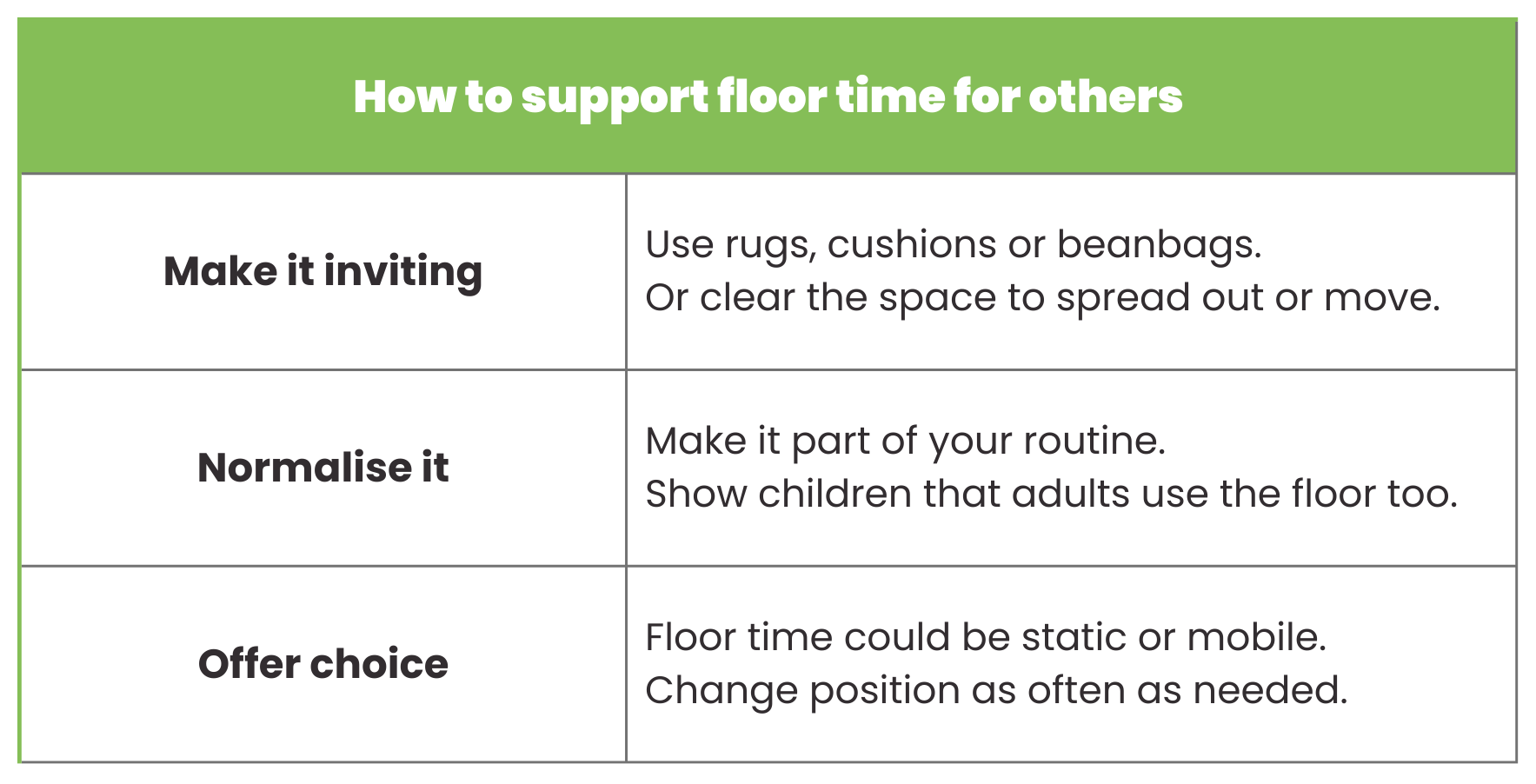
You can change your body position to respond to the needs of your nervous system by alternating between the floor and seats in line with your mood.

For many, the floor acts like an anchor, helping you stay connected to your body and the moment.

Being close to the ground can:

  • Slow down breathing
  • Reduce emotional overwhelm
  • Improve body awareness
  • Support people who dissociate or shut down
  • Help people feel present and calm

Plus, anything can be done on the floor! For both adults and children the floor can be multi-functional – learning doesn’t have to stop because you are on the floor.

  • Read or write lying on your tummy
  • Build, sort, and play sitting on a rug
  • Talk through feelings leaning on cushions
  • Do homework while sprawled out comfortably
  • Do some stretches or yoga on a mat

Avoid using negative language when someone is using the floor. Comments like “Sit properly” or “Get up off the floor” can be upsetting and lead to increased dysregulation.

Instead try supportive phrases like:

  • “Would the floor feel better?”
  • “Let’s take this down to the ground.”
  • “What does your body need right now?”

Keep up to date with the latest SensationALL Self-Regulation Strategies on our socials!

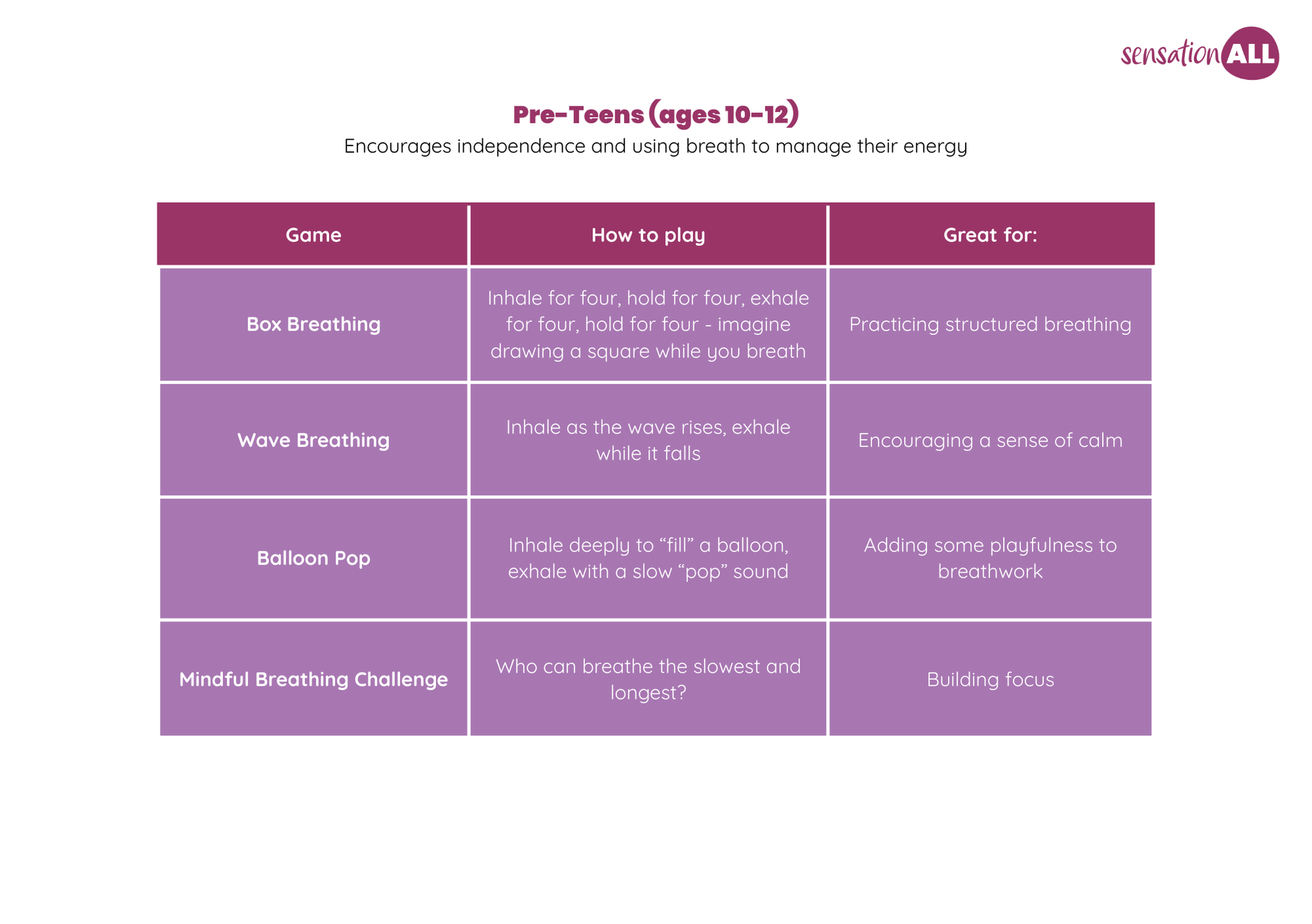
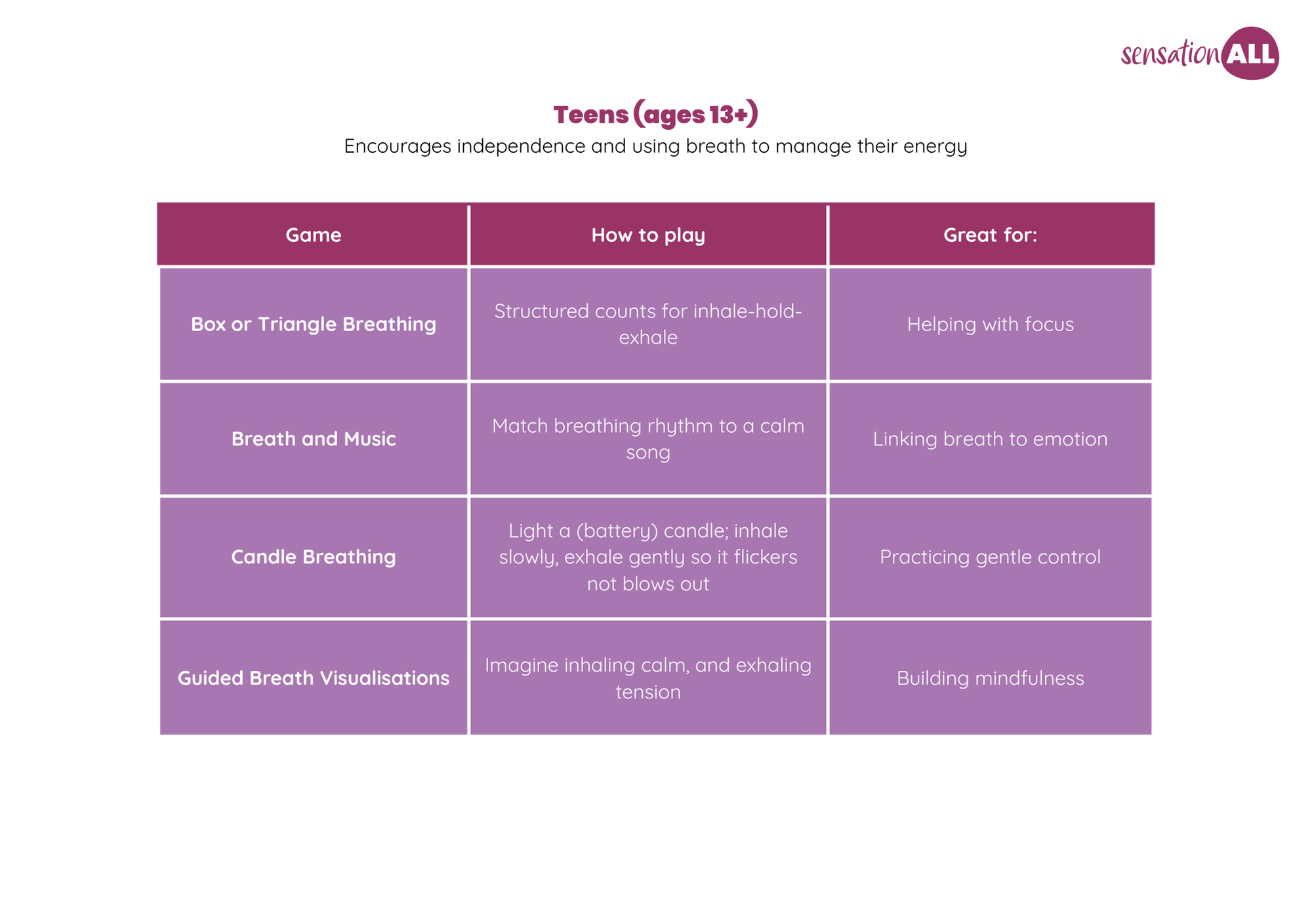
Breathing Games

Deep, slow breathing stimulates the vagus nerve, one of the main connections between brain and body, which helps to shift the body from “fight/flight” into a calmer “rest/digest” state. It doesn’t matter what the breath is – it’s about breathing with purpose!

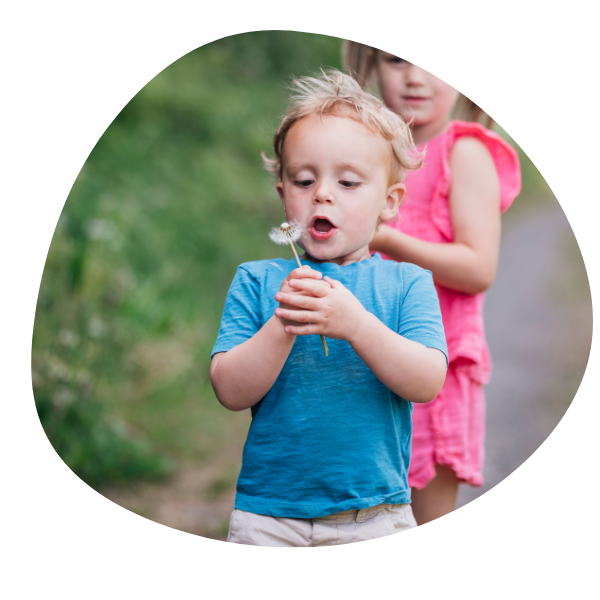
Breathing Games use imagination, movement, and fun to make breathing accessible and enjoyable. Instead of asking a child to “take a deep breath” (which can feel a bit abstract or pressured), we bring it into play to encourage curiosity and connection.

Breathing games are a great way of supporting emotional regulation, especially among children. They:

  • help to regulate the nervous system
  • encourage self-awareness
  • help to develop self-regulating skills
  • support emotional safety, by removing pressure and finding fun
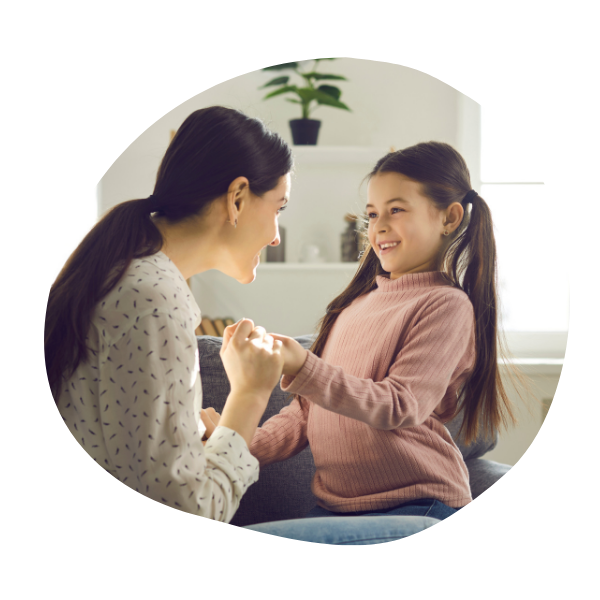
  • encourage co-regulation where adults can model calm and connection
  • Creates a feeling of calm, moving the body out of “flight or flight” mode.
  • Accessible anywhere – we can use these games in almost any environment and they require no equipment.
  • Builds self-esteem and control by giving children a concrete tool to manage big feelings.
  • Encourages conscious reflection of body signals like heart rate and muscle tension.
  • Keep the instructions obvious and clear – “breath deeply” doesn’t work for many children!
  • Keep it short and playful – 30 seconds to two minutes for younger children
  • Use all the senses – this might mean using pictures, objects, music, story-telling or movement
  • Make it a routine – breathing can become a familiar tool, not just an emergency skill

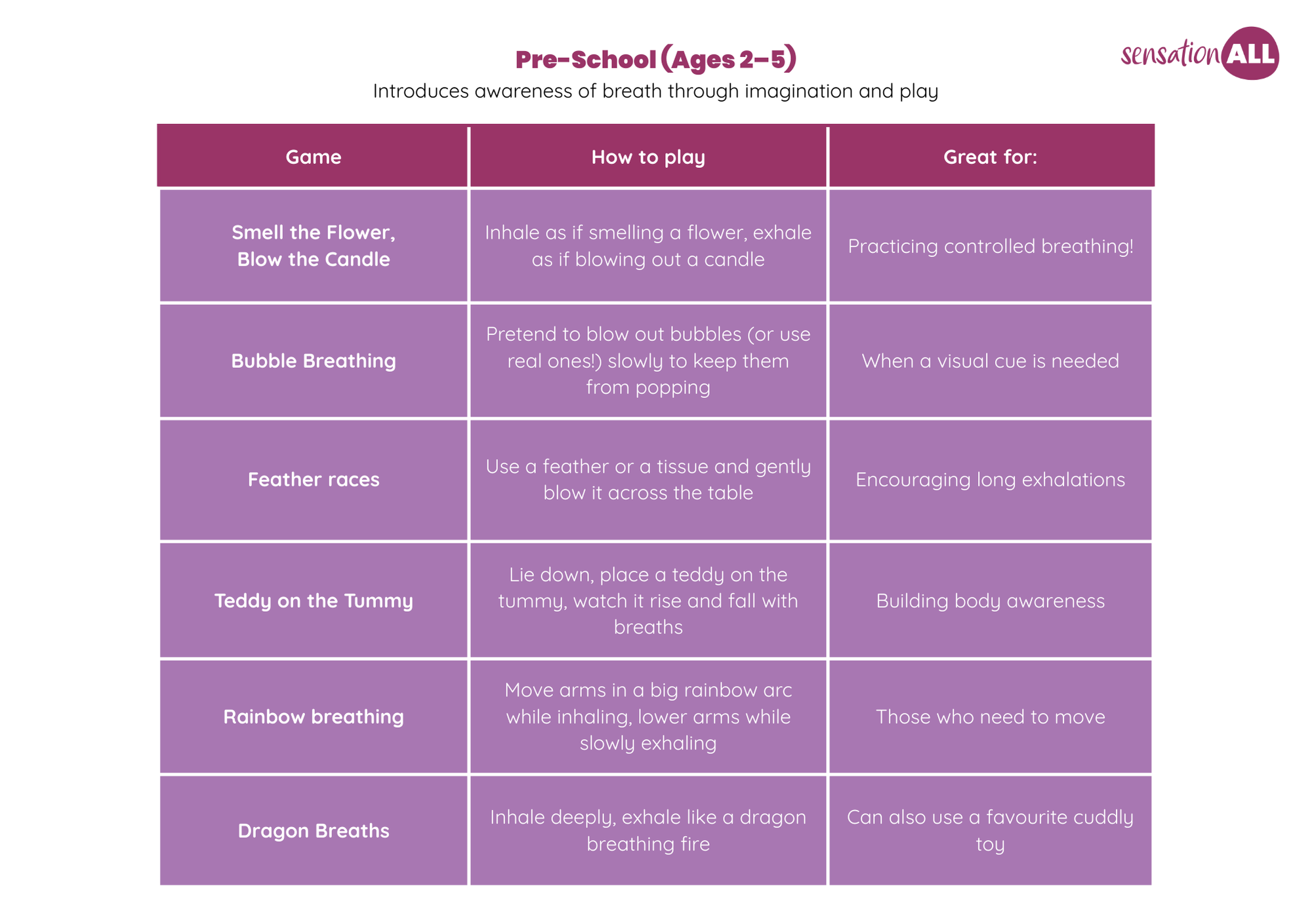
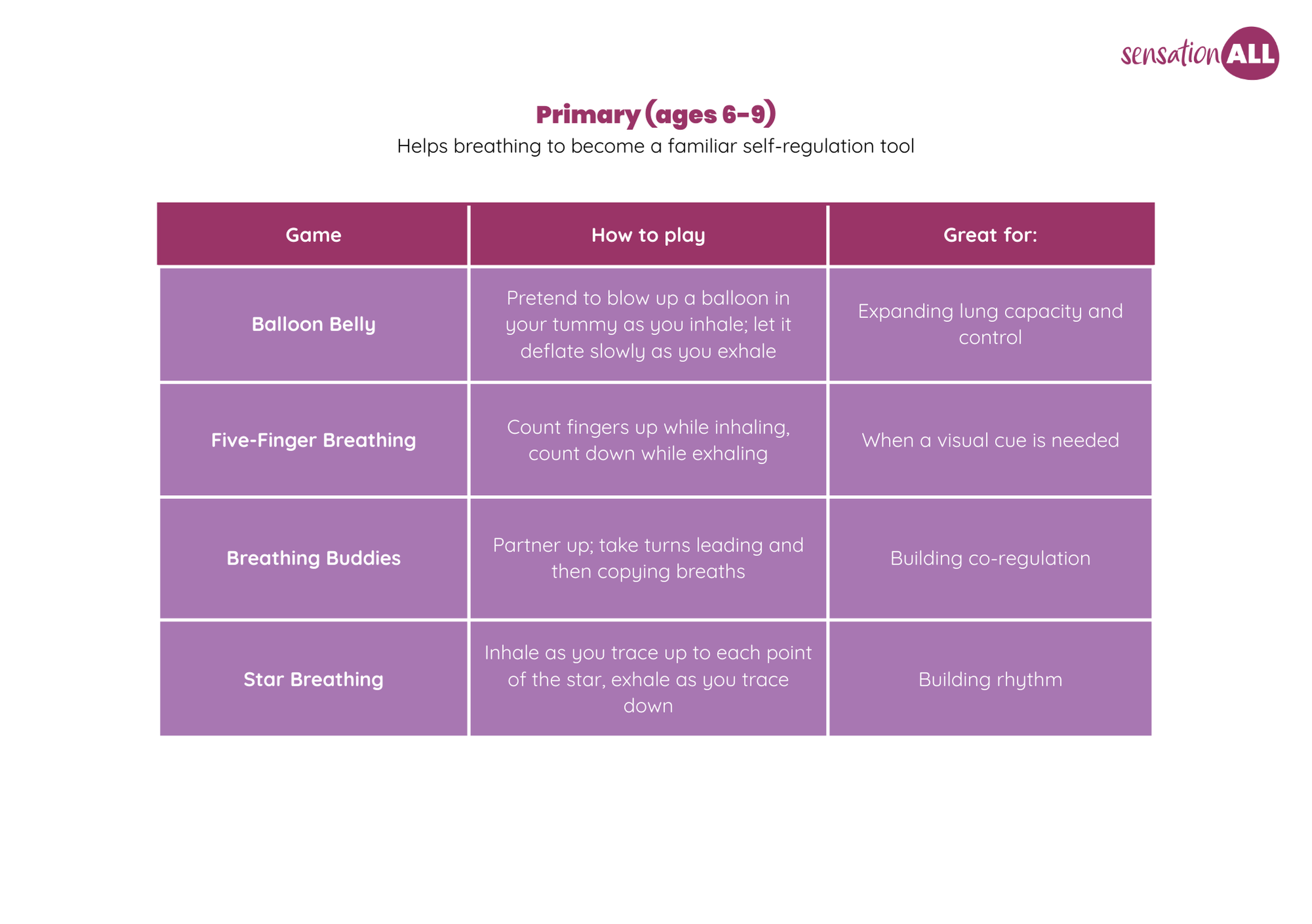
Why not try some of our games at home or when you are out and about! We have different games for different ages – check them out here:

Keep up to date with the latest SensationALL Self-Regulation Strategies on our socials!

Visual timetables

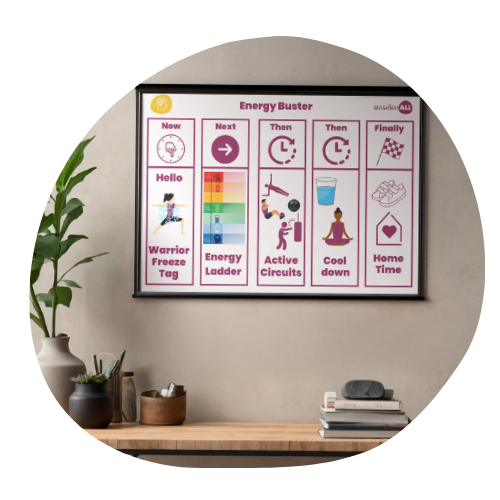
Many neurodivergent people need structure and routine to feel calm and comfortable. In our sessions, we use visual timetables and ‘now, next’ boards to help our attendees understand the plan for the day. This can also help prepare for transitions and changes in activities or tasks.

A visual timetable can be in various different formats but it is always a clear, visual sequence using pictures, symbols, words, or even objects to show what is happening and in what order.

At home you can use a visual timetable for a daily plan, an activity schedule, or even a whole week. This is particularly useful at times when routine changes like during holidays or special events.

Transitions and unpredictability can feel overwhelming, especially for neurodivergent people. A visual timetable will:

  • reduce anxiety
  • increase predictability
  • aids communication
  • encourages independence
  • creates consistency

By making time visible, we help people feel safer, more in control, and better able to participate in meaningful activities.

  • Helps executive function by reducing cognitive load. By presenting clear sequencing you can improve focus.
  • Supports attention & memory because visual cues free-up brain space.
  • Helps people feel in control – as you can check what’s happening next instead of relying on other people to tell you.
  • Improves family communications – everyone can see what’s on the schedule if it is on display.
  • Eases transitions – fewer meltdowns and quicker adjustments between tasks.

You can incorporate visual timetables into every day life or just for specific situations like holidays and events.

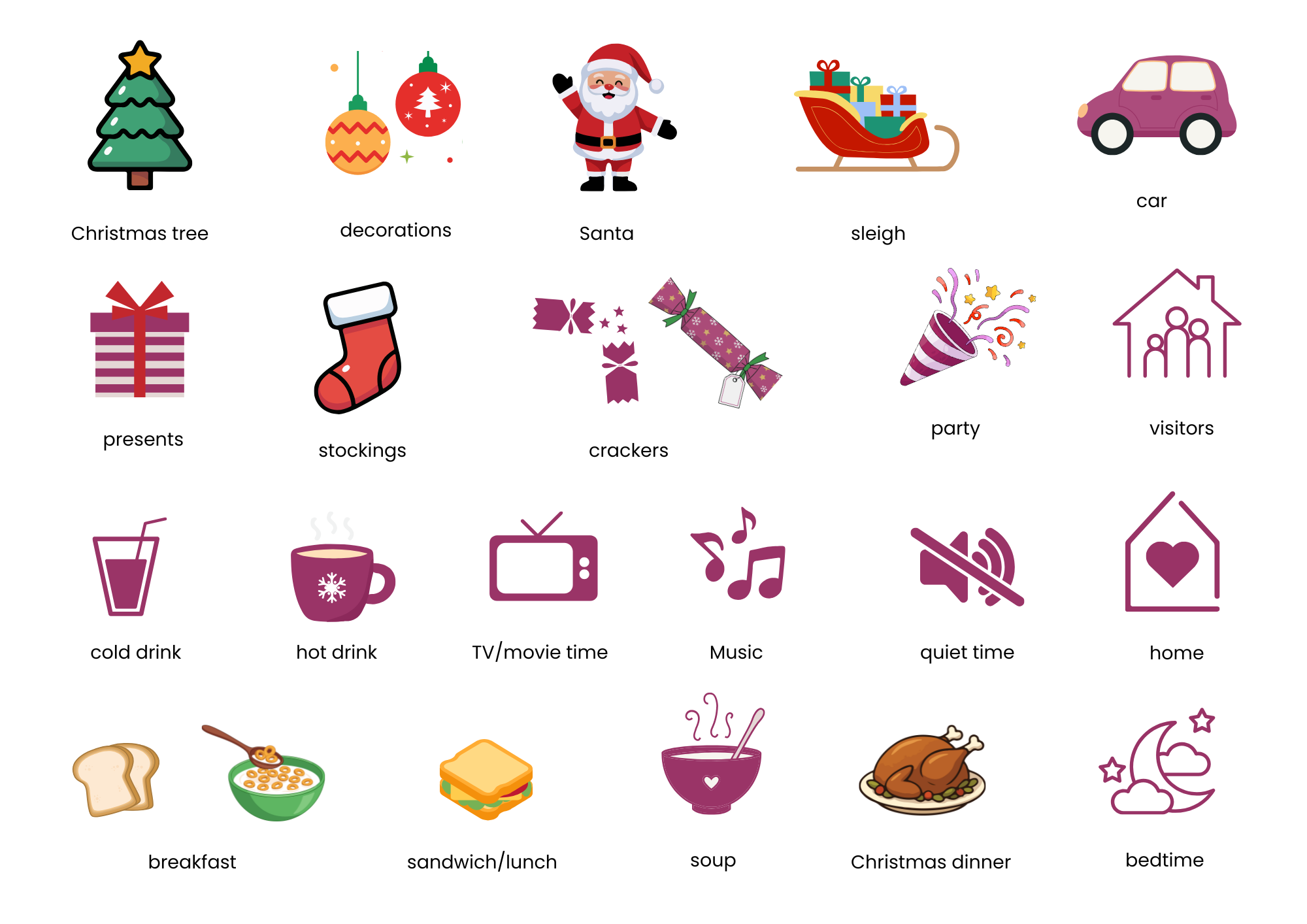
Here are some downloadable visuals you can use to create your own timetables:

Keep up to date with the latest SensationALL Self-Regulation Strategies on our socials!