Snow day regulation tips

When snow falls, everything slows as schools and businesses close and routines change.

For most people snow days are exciting – getting all bundled up to enjoy a winter wonderland. However, for many neurodivergent people, the disruption can be upsetting and stressful and the extra winter clothes can present sensory challenges. But did you realise that snow play is incredible for the nervous system resulting in calmer bodies and more settled emotions, when it’s done with a little intention.

Our SensationALL team have put together some ideas on how to turn your snow days into a fun, positive experience!

Firstly, cold air can also increase alertness, while repetitive or exaggerated movements (like walking through snow) helps organise thoughts and emotions.

Snow activities can provide our brains and bodies with big movement, deep pressure, and rhythm which sends reassuring signals to the brain that say, “I know where my body is. I’m safe. I can settle.” So, that’s why you might feel more regulated after outdoor play, even if things feel wild in the moment.

The rolling, packing and lifting of snow into place all count as “heavy work”. This kind of movement helps release excess energy and feel more grounded in your body.

You might notice:

  • Better emotional regulation
  • Less fidgeting
  • A calmer transition back indoors

Tip: Encourage slow pushing and rolling rather than rushing. Adding pauses to “admire the snowman” can help the body reset. Use a spade or shovel if you don’t like touching the snow (or wearing gloves!).

Sledging gives gentle, linear movement that helps you feel balanced and settled.

To keep it regulating rather than overwhelming:

  • Take turns, don’t race
  • Walk back up the hill slowly
  • Admire the view – what can you see on the way down
  • Pause between rides to catch breath and notice the cold air

If you become dizzy or overly excitable, that’s the body asking for a break.

Snow angels involve both sides of the body moving together, which helps the brain integrate and calm so is like a natural reset button. They’re especially helpful after lots of high-energy play.

Try counting slow angel “wings” together or taking deep breaths while lying in the snow. It often brings a noticeable shift from excitement to calm.

If you seem calmer, more focused, or more emotionally settled after playing in the snow, that’s not a coincidence. The body has done exactly what it needed to do but pace yourself…

Break the day down into cycles of gentle and high energy activities to ensure a balance. You don’t need a strict plan but try alternate slow and fast paced activities like:

  • Big movement (sledging or building in the snow)
  • Still moment (look at the sights and sounds of the winter landscape. Listen to your breathing, notice how the cold feels)
  • Repeat the cycle

This rhythm helps you enjoy the excitement without tipping into overwhelm and encourages you to be present in sensory experience.

Snow play is powerful sensory input, but often we need help landing afterwards. Try doing this with:

  • A warm drink
  • Dry clothes with gentle pressure (cozy jumpers, weighted blankets)
  • A quiet activity like drawing or reading

Calm activities tell the nervous system it’s safe to rest.

Touch – If you find touching the snow unpleasant then use a spade or bucket to minimise the chance of getting wet gloves. For children, try using baking or play doh moulds/cutters to make shapes. Maybe making a small snow animal is more achievable than a full snowperson!

Clothes – hate hats and gloves? Padded winter coats too restricting? Are wellies a no-go?! Look for alternative options – maybe multiple thinner layers will be more comfortable; perhaps long sleeves could be pulled over your hands; or limit the time outside if you are wearing less than ideal coats.

Snow days don’t have to be a disruption. They’re an invitation to let you regulate in the most natural way possible: through movement, cold air, and play.

Keep up to date with the latest SensationALL Self-Regulation Strategies on our socials!

Visual timetables

Many neurodivergent people need structure and routine to feel calm and comfortable. In our sessions, we use visual timetables and ‘now, next’ boards to help our attendees understand the plan for the day. This can also help prepare for transitions and changes in activities or tasks.

A visual timetable can be in various different formats but it is always a clear, visual sequence using pictures, symbols, words, or even objects to show what is happening and in what order.

At home you can use a visual timetable for a daily plan, an activity schedule, or even a whole week. This is particularly useful at times when routine changes like during holidays or special events.

Transitions and unpredictability can feel overwhelming, especially for neurodivergent people. A visual timetable will:

  • reduce anxiety
  • increase predictability
  • aids communication
  • encourages independence
  • creates consistency

By making time visible, we help people feel safer, more in control, and better able to participate in meaningful activities.

  • Helps executive function by reducing cognitive load. By presenting clear sequencing you can improve focus.
  • Supports attention & memory because visual cues free-up brain space.
  • Helps people feel in control – as you can check what’s happening next instead of relying on other people to tell you.
  • Improves family communications – everyone can see what’s on the schedule if it is on display.
  • Eases transitions – fewer meltdowns and quicker adjustments between tasks.

You can incorporate visual timetables into every day life or just for specific situations like holidays and events.

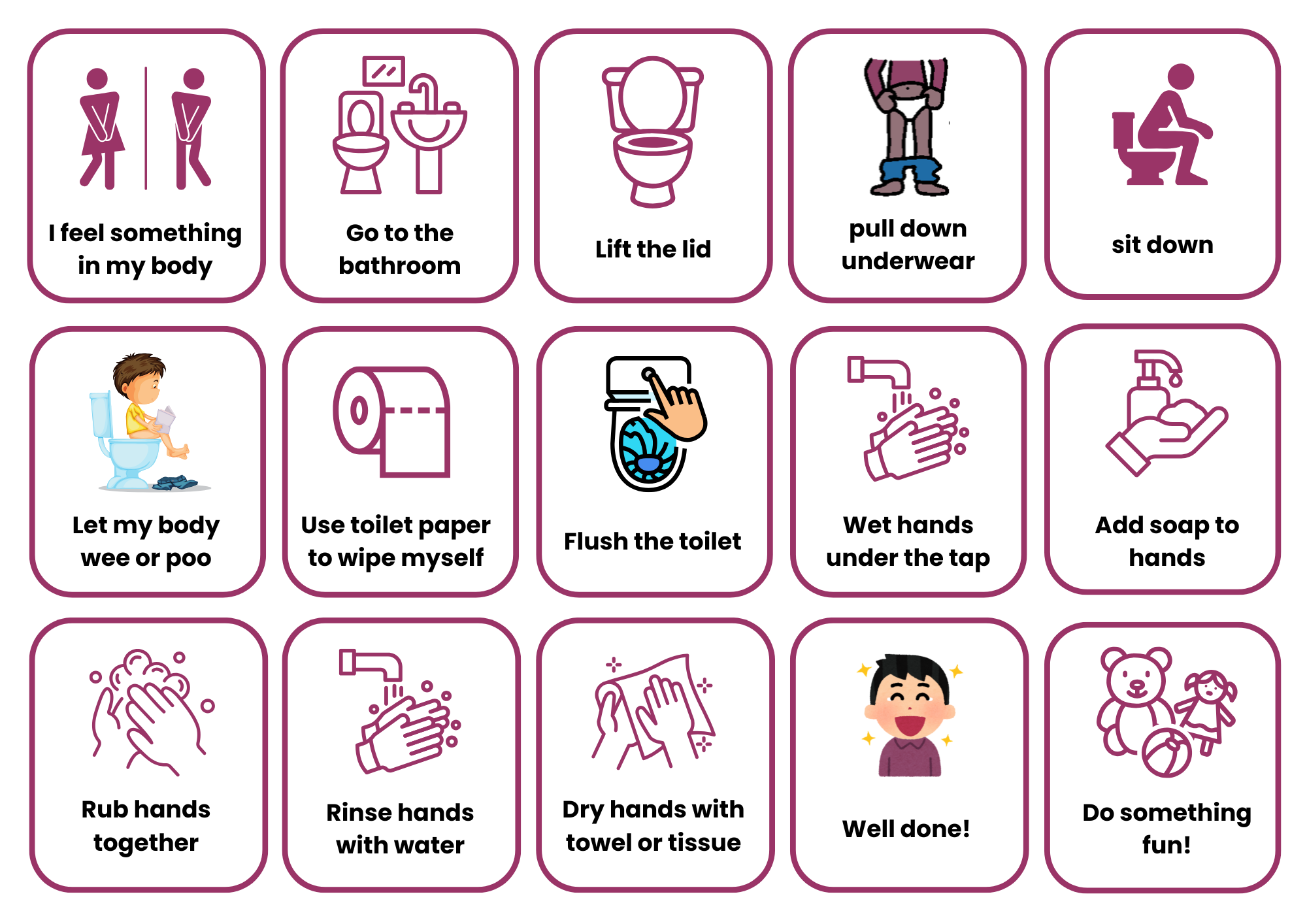
Here are some downloadable visuals you can use to create your own timetables:

Keep up to date with the latest SensationALL Self-Regulation Strategies on our socials!

Understanding your senses – touch

Some people love certain types of touch, while others find it overwhelming or uncomfortable. Understanding how touch works in the brain can help us support regulation, comfort, and confidence for children and adults alike.

The tactile system is our sense of touch. It tells us:

  • What things feel like (rough, smooth, soft, sticky)
  • Whether something is hot or cold
  • How much pressure or force we’re feeling

Touch helps us feel safe, aware, and connected, to our bodies, to objects, and to other people. It also affects our emotions, focus, and energy levels.

When touch feels too strong, too light, or unpredictable, we might see behaviours like avoiding hugs, seeking extra pressure, or fidgeting constantly.

Touch can be a very personal sense and, like many of our other senses, people’s responses to varying types of touch can be very different.

So it is good to be able to identify different responses and have some strategies on how to support them.

These people may not notice touch, or may need a stronger input to feel it. You might notice:

  • Constantly touching objects, surfaces, or people
  • Not noticing pain, temperature or light touch
  • Chewing on clothing, toys or pencils
  • Enjoying textures or movement combined with touch
  • Offer strong, structured touch: pushing, pulling, carrying or squeezing objects
  • Include different textures in play or daily routines
  • Pair touch with movement; crawling, climbing or rolling
  • Try fidget tools, textured toys or crunchy snacks

These people feel touch too strongly. Even normal touch can feel uncomfortable or alarming. You might notice:

  • Avoiding hugs, handshakes or party games
  • Disliking certain fabrics, tags or tight clothing
  • Flinching, withdrawing or becoming upset with unexpected touch
  • Offer slow, firm, predictable touch rather than light or tickly contact
  • Give choice and control: “Do you want me to help or do it yourself?”
  • Introduce messy play and new textures gradually
  • Try weighted blankets, firm hugs or deep pressure if welcomed

The right kind of touch helps the nervous system feel safe and balanced.

  • It calms anxiety and supports emotion regulation
  • It increases attention and focus
  • It helps build confidence and comfort in social situations

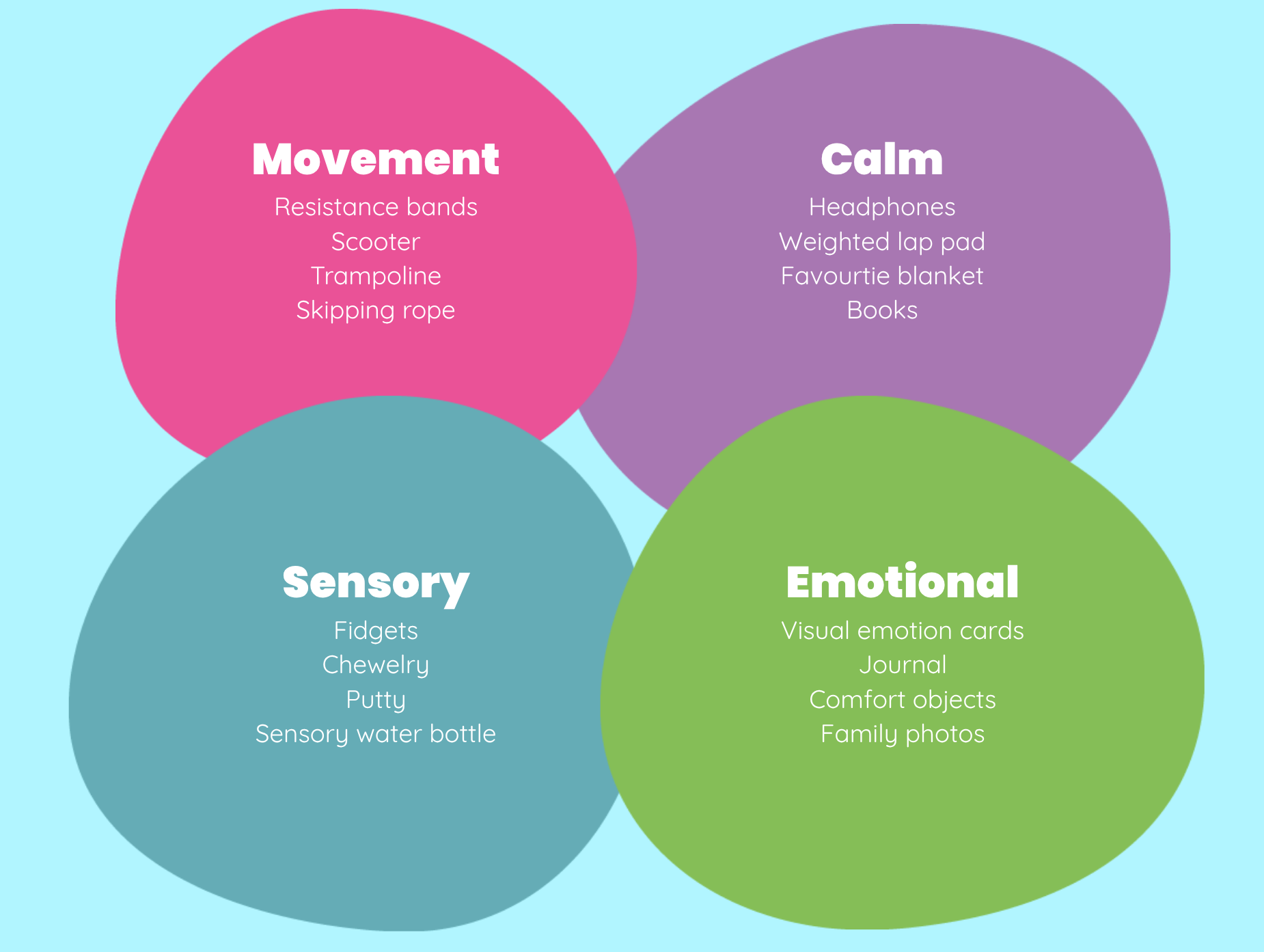
It’s a good idea to incorporate strategies and methods into your daily routine to proactively regulate your body which will make you feel secure and in control. Plus, it will massively improve mood and happiness!

Here are some of our suggestions but remember… everyone is unique:

Keep up to date with the latest SensationALL Self-Regulation Strategies on our socials!

Understanding your senses – body & movement

These are often signs that the body’s awareness system, is craving input or trying to find balance.

The body’s internal Vestibular system (located in the inner ear) can cause trouble when it is out of balance as you will experience changes in behaviour, mood and energy. But, when it is working well you feel safe, strong, and organised from the inside out. In this blog, we give you an insight into why you like certain types of movement and how to counteract behaviour with physical strategies.

Proprioception is the automatic sense that tells us where our body is in space and how to move freely without conscious thought. It’s what enables us close our eyes and still touch our nose, grip items with the right amount of pressure, or control the strength of a hug.

We have proprioceptive receptors in our muscles, joints, and tendons which send messages to the brain every time we push, pull, squeeze, stretch, or move our body.

These signals help the nervous system:

  • Know where the body is in relation to space and things around us
  • Control our movement and posture
  • Feel calm, grounded, and secure
  • Regulate our energy levels and emotions

When this system is working well, you will feel grounded, stable, and ready to learn. You’ll be able to move confidently, judge force accurately, and stay more regulated during challenges.

BUT… when it’s not fully balanced, (so is under or over-responsive) you might feel the need for constant movement, often bump into things, or experience clumsiness. In children, you might witness boisterous behaviour or they might completely avoid touch and physical play altogether.

The way you move and interact with others will change depending on lots of different factors, your environment, stress levels, emotions, the people you are with etc.

So it is good to understand the different behaviours and how to counteract them to stay balanced.

You are craving more input to “wake up” the body and you might:

  • Constantly be on the go! Jumping, spinning, running etc.
  • Often bump or crash into people and objects
  • Struggle to sit still or concentrate
  • Use too much force in play, writing or grip
  • Enjoy tight hugs, wrapping up in blankets, or carrying heavy things
  • Seek rough or high energy activities.

Movement helps you wake up and feel alive but it needs to be structured to be controlled and healthy:

  • Schedule ‘movement breaks’ in the day
  • Push/pull or lift/carry heavy items/toys
  • Build dens, move furniture, or dig in the garden
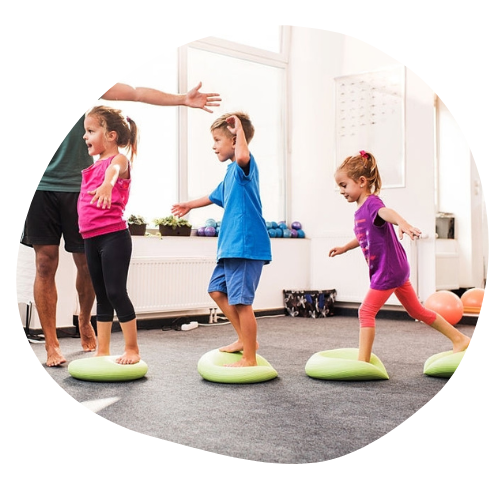
  • Do exercise to activate big muscles (for children that could be a game of moving like animals, bear crawls, frog jumps etc.)
  • Include rhythm by dancing, skipping or marching to satisfy your need for high tempo movement

You are oversensitive to input and easily overwhelmed by sensations or touch. For example:

  • Movement feels too much, or unsafe
  • Feel dizzy or unsettled by sudden movements.
  • Prefer light movement and controlled activities
  • Being hyper aware of tags, seams or zippers on clothes. Tight or ill-fitting clothes can be stressful.
  • Children actively avoid messy play and rough-and-tumble games.

Keep physical movement slow and at the level you are comfortable with so it isn’t overwhelming. You/they must feel in control:

  • Deep pressure – weighted blankets, firm hugs (if welcomed), or rolling a ball over the body
  • Rocking, swaying or gentle walking.
  • Try yoga or relaxation exercises
  • Develop calming routines that include safe, consistent physical touch (maybe bedtime massage or cuddles).

The goal isn’t to stop the movement seeking/avoiding behaviours but to find balance and feel safe in your body.

Take some time for reflection on what movement does to you and how you feel with different types of motions. What kind of movement makes you feel calm, happy or safe? Are there any things you like to do when you feel restless or anxious or tired?

Here are some signs and behaviours to look out for:

It’s a good idea to incorporate strategies and methods into your daily routine to proactively regulate your body which will make you feel secure and in control. Plus, it will massively improve mood and happiness!

Here are some of our suggestions but remember… everyone is unique:

Keep up to date with the latest SensationALL Self-Regulation Strategies on our socials!

Helping Children Stay Calm

Think of it like weather planning…

  • Proactive is checking the forecast, packing a raincoat, and planning a route to stay dry.
  • Reactive is opening the umbrella when the rain starts.

We need to have both types of strategies because life is calmer when we’re prepared but we can’t plan for every eventuality…

Proactive strategies help reduce stress on the nervous system. They give your child predictability, safety, and skills to manage their emotions before they feel overwhelmed.

Reactive strategies are essential when emotions are already high. They help calm the body and bring your child back to a state where they can think, learn, and connect again.

Using both together builds emotional intelligence, confidence, and self-regulation — key ingredients for thriving in daily life.

  • Proactive strategies engage the “thinking brain” (the prefrontal cortex), teaching planning, reflection, and choice-making.
  • Reactive strategies soothe the “feeling brain” (the amygdala and limbic system) when your child’s nervous system is in fight, flight, or freeze.

When we focus on proactive support, we reduce the frequency of fight or flight moments happening but when they do, they will be less severe or easier to recover from.

These daily habits and routines can help children feel safe, calm, and in control.

1. Sensory-Friendly Environments

  • Reduce noise and visual clutter
  • Dim lights or use warm lamps
  • Offer a calm corner or quiet space
  • Keep routines predictable

Example: A “cosy corner” with soft lighting, fidgets, and weighted blankets gives a child somewhere to retreat before they feel overwhelmed.

2. Self-Regulation Skills

Teach your child what helps them feel calm. This can include:

  • Wall pushes or animal walks (heavy work)
  • Breathing games or blowing bubbles
  • Stretching or yoga poses
  • Crunchy snacks or chewing (oral regulation)
  • Visualization or story-based relaxation

Example: Practice “starfish breathing” together when you’re calm — trace your fingers and breathe in and out with each point.

3. Emotional Education

Help your child name what they feel:

  • Use feelings charts or visuals
  • Talk about emotions in stories or daily life
  • Model naming your own feelings calmly

Example: “I’m feeling a bit frustrated, so I’m going to take a deep breath.” This teaches emotional language and coping by example.

4. Adult Modelling

Children learn regulation from our calm presence.

  • Narrate what you’re doing to calm yourself
  • Use a steady tone
  • Keep routines consistent

Example: “Let’s pause together and take a breath. We can figure this out once we feel calm.”

When your child is already upset or overwhelmed, the goal is calm and connection, not correction.

Try some or all of these:

  • Moving to a quieter, low-stimulation space
  • Using deep pressure (like a firm hug or weighted blanket)
  • Offering a familiar comfort item or soothing activity
  • Keeping language minimal — too many words can add stress
  • Waiting patiently — give their nervous system time to settle

Example: If your child is melting down after school, dim the lights, sit nearby quietly, and let them rock or squeeze a fidget.

Once they’re calm, you can talk or problem-solve.

Keep up to date with the latest SensationALL Self-Regulation Strategies on our socials!

Self-regulation spotlight – Finished Box

A Finished Box is a clearly marked container where children place items they are “done” with. Instead of throwing objects, clinging to toys, or hiding materials, children are offered a predictable way to signal completion.

It may sound small, but for neurodivergent children or those with sensory, attention/focus or executive functioning differences, this tool can be transformative in helping them determine when an activity or game is finished. For older youngsters, it could be used to mark the end of homework or tech time.

Neurologically, we all need closure to mark an activity as complete and for those who struggle to interpret signals a Finished Box is a tangible, physical method which provides:

  • A clear, consistent end-point (supporting executive functioning) giving the brain has a clear signal “when I’m done, it always goes in here
  • Predictable sensory-motor feedback – the motion of putting or throwing things in the box can release energy in a positive way (tactile/proprioceptive closure)
  • Reduction in overwhelm from too many items at once – minimising stimulus by ‘finishing’ with some toys/games before moving onto other items
  • Visible reassurance that items are “done for now” will help reduce stealing/clinging/throwing
  • Creates a predictable bridge for smoother transitions between activities

By introducing a Finished Box, we support the brain’s need for order and safety. This small adjustment creates calmer situations in play or activities, strengthens trust,and empowers children to move on with dignity.

Remember, if your child displays possessive or boisterous behaviour with toys or items, throwing or holding onto items isn’t “bad behaviour”, it’s communication! They probably enjoy the sensory stimulation from the noise and motion of throwing the item so by restricting throwing to the finished box only, you can redirect that energy into a positive outlet. For heavy or bulky items you can encourage them to be gentle when placing items in the box, praising them when they do a good job.

  • Have a Finished Box on standby during play activities or home tasks as part of their routine and model repeated use of the box in every activity so it becomes a predictable part of their behaviour.
  • Use consistent language when guiding children: “Finished? It goes in the Finished Box.”
  • Create a unique Finished Box when you need them to “let go” of items (toys, fidgets, comforters etc.) helping them transition away from reliance on those items more smoothly. 
  • Involve them in choosing which box is for different toys or rooms of the house.
  • Colourful boxes or tubs will help them identify what goes where as well as making it more visually interesting.
  • Why not make a finished box or bag to take out with you for small fidgets, comforters or toys.
  • Keep it going in adulthood – the same principles can work when you have to complete household chores, life admin etc.

Keep up to date with the latest SensationALL Self-Regulation Strategies on our socials!

Self-regulation spotlight – Jumping!

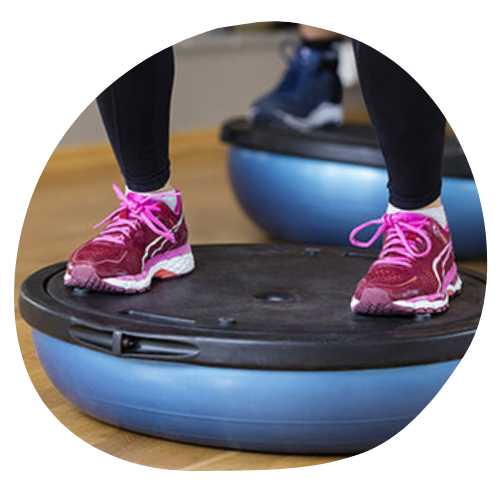
Repeated up-and-down movements help people increase awareness of their body’s position and the force it is using, as well as supporting balance and spatial awareness. Jumping using trampolines, skipping ropes, hopscotch, or even simple “star jumps” on the spot all stimulate multiple sensory systems in the body which can have a positive effect on a person.

Jumping is a brilliant regulating tool because it combines heavy work (impact through the joints) with rhythm and repetition. For both children and adults, it can boost alertness and focus; for some people, it offers an outlet to release built-up energy or stress. It improves balance, coordination, and overall body awareness, making it both fun and regulating!

Regulation through proprioceptive input
o Jumping delivers high-intensity heavy work to joints and muscles, which can be calming for sensory seekers and organising for sensory avoiders.

Vestibular–proprioceptive integration
o The brain must process acceleration, deceleration, and impact timing and this is building spatial awareness and balance.

Motor planning & coordination
o Sequencing jumps, adjusting force, and landing safely develops praxis.

Core stability & postural control
o Maintaining upright position on unstable surfaces strengthens deep postural muscles.

Attention & engagement
o Rhythmic, repetitive jumping increases dopamine and norepinephrine, supporting focus

Top tips – use jumping as part of a sensory diet, as a proactive regulation tool in your daily routine. Finish a jumping activity with a grounding movement (heavy pushing, static wall sits or deep breathing).

Target games – jump to catch bubbles or a hanging scarf

Rhythm integration– jump to a beat or music (slow = calming or fast = alerting)

Heavy work combination– Jump then push a weighted cart or carry an object for sustained regulation

Cognitive integration– Count backwards while jumping or every time you jump, call out a shape/colour/animal

  • Always supervise jumping activities closely.
  • Use age-appropriate, well-maintained equipment (mini-trampolines, crash mats).
  • Clear the area of obstacles.
  • Teach safe mounting/dismounting.
  • Consider fatigue — high-intensity jumping may be exhausting for some children.
  • Monitor arousal levels — some children may become over-stimulated and need grounding afterwards.

Keep up to date with the latest SensationALL Self-Regulation Strategies on our socials!

Self-regulation spotlight – Co-Regulation!

At SensationALL, co-regulation is at the very core of what we do. By modelling calm and regulated behaviour, children feel safe and can settle more easily.

What is it?

Co-regulation means using ourselves as the primary tool for regulation: our breath, body language, tone of voice, and rhythm help to shape a child’s nervous system. A dysregulated adult cannot regulate a dysregulated child so maintaining a calm presence provides the foundation for all the techniques we use here at SensationALL.

Why it matters:

Neurologically, children borrow regulation from adults before they can self-regulate. By reading our state, children can pick up on feelings of safety through our tone of voice, facial expression, and posture.

This means that when we slow down, they slow down; when we brighten and become more animated, they become more alert!

Why it works:

  • Co-regulation has to come before self-regulation. Children borrow our from nervous system. When we are grounded, their bodies detect safety and begin to settle.
  • Feelings of safety. Warm eye contact at the child’s level, soft facial muscles, and a friendly voice signal “safe” to the brain, which eases the flight or fight response.
  • Emotional mirroring. As humans we unconsciously copy postures, facial expressions, and rhythms. If an adult has a slow, steady rhythm a child will mirror this (heart rate, breath, movement).
  • Sensory variation:
    o Calming: using deep pressure techniques and predictable rhythm can help calm dysregulation.
    o Alerting: using a bright and friendly voice, faster tempo and an upright posture can help children feel more alert
  • Naming sensations. We can use our words to bring awareness to sensations: “Your hands look tight; let’s soften them together”. This builds body awareness and helps young people understand they have a choice about how to feel.
  • Building tolerance. Our calm presence widens a child’s capacity to feel big feelings without tipping over into shutdown or chaos.

What can we do as adults?

As adults, we can support children when they are dysregulated by thinking about our body, voice and actions.

  • Grounded stance (feet hip-width, weight through heels), relaxed shoulders, open
    hands.
  • Get low (kneel/sit) to reduce visual threat and power distance.
  • Breathe visibly: in through nose, longer out-breath (count 4 in / 6 out).
  • Proximity: offer presence at an angle (not face-on). Always gain consent for touch.
  • Predictable movement: slow, smooth, minimal sudden gestures
  • Calming: low volume, lower pitch, slower pace, warm prosody, short phrases, longer
    pauses.
  • Alerting: brighter tone, slightly increased pace, clear rhythm, upbeat prosody.
  • Language: validate + guide (“You’re frustrated. I’m here. Let’s press hands
    together… now two slow breaths.”)
  • Model self-regulation out loud (“I’m slowing my breath… shoulders down… now I
    can think.”)
  • Offer regulating choices (calm or alert) matched to need.
  • Shape the environment: reduce visual/auditory load for calming; add rhythm/novelty for alerting.

Five steps to co-regulation!

Next time you want to help a child to regulate their behaviour, try using our 5-step system:

Ground (you and child): feet down • long exhale • soften jaw • slow hands
Connect: name + validate their feelings • be at their level • warm face/eyes
Guide: offer two choices (calm vs alert)
Practice: regulate together (you lead with rhythm)
Close: name the shift • return to task.

Co-regulation is a powerful tool. By role modelling a calm state we can help others feel calm and grounded too.

Keep up to date with the latest SensationALL Self-Regulation Strategies on our socials!

Self-regulation spotlight – Vibration!

At SensationALL we frequently use vibration as a sensory regulation tool to support alert levels, self-regulation, and reconnecting with the body.

What is it?

Vibration involves using objects that produce rhythmic buzzing or shaking sensations on the body, such as vibrating cushions, handheld massagers, toothbrushes, or simple activities like humming against a surface.

Why it matters:

Vibration stimulates both the tactile and proprioceptive systems. Depending on individual needs, it can boost alertness—helping to “wake up” the body and mind—or soothe and regulate by bringing focus back into the body and releasing tension. It’s especially beneficial for children who struggle with body awareness, emotional regulation, or focus.
Vibration is strong, predictable, and easy to control. This input can calm an overwhelmed system, energise a low-energy body, or enhance awareness of limb positioning.

One way we incorporate vibration is through vibration plate equipment, which sends vibrations to the body, stimulating muscles and improving lymphatic flow, reducing blood pressure, and increasing circulation—factors that enhance focus, mood, and concentration.

Here are some examples of vibration tools useful in therapy and play during daily routines:

  • Whole-body vibration plates: children can stand, sit with feet on, or place hands on the plate—great for grounding and regulation.
  • Handheld vibration massagers: gentle, soft-head devices suitable for quick spot treatments on hands, shoulders, or calves (avoid heavy-duty “massage guns” for children).
  • Vibrating cushions or pillows: children can sit or lean against them, ideal for calm-down areas or classroom seating.
  • Vibrating toys: stuffed animals, Fidgets, or balls that vibrate—engaging and fun for younger children.
  • Vibrating toothbrushes: useful for oral-motor stimulation, feeding prep, and desensitisation for oral sensitivities.
  • Vibrating pens or writing tools: aid hand awareness before handwriting and make fine motor tasks more fun.
  • DIY options include small battery-operated handheld fans (without blades) or clip-on vibrating pet brushes, which are soft and safe.

Safe use of vibration is crucial—our Golden Rules include:

  1. Always offer Choice and Control!
  2. Use short bursts (10-30 seconds), then follow with movement or play.
  3. Observe their response—calmer? More alert? Overstimulated? Adjust accordingly.

Understanding personal feelings about vibration helps select the most beneficial type:

Low energy

  • slightly stronger vibrations in short bursts, targeting large body areas first, then hands for fine motor skills
  • paired with quick heavy work and focus tasks.

Over-responsive/anxious

  • very gentle, predictable vibrations, starting with hands/feet, then the torso; avoid face/abdomen until trust is established
  •  incorporate slow breathing, deep pressure squeezes, and quiet spaces, gradually progressing to play.

Mixed emotions

  • offer a choice menu with questions like “which spot?”, “how strong?”, “how long?”
  • alternate between heavy work and calming breaths.

Vibration helps the brain “notice the body” more clearly, helping to regulate the senses and bring a sense of calm, or energy, to your life!

Keep up to date with the latest SensationALL Self-Regulation Strategies on our socials!

Self-regulation spotlight – Deep Pressure!

At SensationALL, we use a wide variety of sensory-informed strategies during our sessions and interactions with people with neurodivergent conditions and additional support needs.

In this article, Clinical Lead, Rebekah, explains why these approached are important, and how they can benefit you or your loved one.

What is it?

Deep pressure stimulation (DPS) means applying consistent, gentle weight or compression to the body.

This can be through weighted blankets, firm hugs (with consent), compression garments, or activities like pushing/pulling heavy objects.

How does it work?

Deep pressure activates the body’s proprioceptive system and sends signals to the brain that help reduce anxiety, increase focus, and create a feeling of safety. This can be particularly beneficial for individuals who may experience sensory overload or dysregulation!

Here are a few suggestions for activities based on age groups that incorporate deep pressure!

Young children (ages 2-6)

  • Compression hugs or “body sandwich” with cushions
  • “Steamroller” game (child lies under a blanket/mat or cushion and is gently rolled
  • over with pressure)
  • Rolling in a blanket (like a burrito)
  • Animal walks: bear crawl, crab walk — heavy work through limbs
  • Tug-of-war or pulling toys

Children (ages 7-12)

  • Weighted lap pads during seated tasks (school, homework)
  • Heavy work jobs: pushing laundry baskets, carrying books, stacking chairs
  • Deep pressure massage or brushing protocol (e.g., Wilbarger)
  • Yoga poses with joint compression (downward dog, child’s pose with hands
  • pressing into floor)
  • “Pillow pile crash”: jumping into a beanbag or soft pile
  • Fidget tools that provide resistive feedback (therapy putty, stress balls)
  • Introduce self-advocacy: “When I feel jittery, I can do __ to feel better.”

Teens (ages 13+)

  • Compression vests or snug athletic clothing
  • Weighted blankets or wraps during relaxation, sleep, or transitions
  • Wall push-ups, planks, or resistance band exercises
  • Therapeutic massage or self-massage tools (foam rollers, vibrating pads)
  • Carrying a loaded backpack briefly (not for long periods)
  • Using gym equipment for proprioceptive input: rowing machines, resistance training

If you find that deep pressure works for you, it might be worth considering how this can be part of your everyday routine. Here’s a few examples of how deep pressure can be applied to your daily routine:

  • Morning: Wall pushes, body squeezes, weighted breakfast chair pad
  • School: Lap pad, heavy backpack (briefly), resistance putty during listening
  • Afternoon: “Heavy work” chores or play, trampoline or crash pad time
  • Transitions: Compression vest, bear hug, or pillow sandwich before car rides or errands
  • Bedtime: Massage, weighted blanket, yoga or child’s pose

When using these strategies, it is important to follow a number of safety tips!

  • Always person-led: Deep pressure should never be forced; it must feel safe and comforting!
  • Time-limited: Weighted blankets or vests should be used for 20 minutes at a time.
  • Observe response: Signs of dysregulation (sweating, agitation, zoning out) means it’s too much input.
  • Use appropriate weight: Weighted items should be around -10% of the child’s body weight, or minus 1-2lbs, depending on modality. Always ensure you are adjusting the weight and communicating with the person – deep pressure can vary for everyone!
  • Pair with co-regulation: Use deep pressure WITH verbal reassurance and a soothing tone.

Deep pressure is a powerful, non-verbal language of safety. It tells the body: you are grounded, you are held, you are safe. When used respectfully, it becomes a ritual of care, a bridge between nervous system healing and daily life.

Follow us on socials for more useful self-regulation tools and strategies!