Regulate with sensory lights

Whether you are supporting a child at home or learning to regulate your own nervous system, light can become a great resource in your toolkit, rather than a ‘nice-to-have’.

Light doesn’t just help us see. It talks directly to the brain.

The brain uses light information to decide:

  • Am I safe or on alert?
  • Can I rest or do I need to act?
  • Is this environment predictable or overwhelming?

For sensitive or neurodivergent nervous systems, lighting can either soothe the body or quietly push it toward overload. The key is how the light is used.

When emotions are big, bodies are tense, or the day has been long:

When energy is low, attention drifts, or transition feels hard:

Some children (and adults) are very sensitive to light. Watch for:

  • Covering eyes
  • Turning away
  • Increased agitation or withdrawal

If you see these signs, the light may be too bright, too fast, or the wrong colour. Choice matters. When possible, let your child decide:

  • Which colour feels best
  • When to turn it on or off
  • Where it sits in the room

Sensory lights can support adults who:

  • Feel overstimulated or anxious
  • Struggle to wind down at night
  • Experience sensory overload
  • Need help transitioning between work and rest
  • Soft lighting in the evening instead of overhead lights
  • A consistent “calm light” after stressful moments
  • Using light intentionally during breathwork or rest

Keep up to date with the latest SensationALL Self-Regulation Strategies on our socials!

Celebrating Neurodiversity: How SensationALL supports our community 

At SensationALL, we provide support for people of ALL ages and conditions and their family members removing the barriers of a formal diagnosis. Currently, we interact directly with over 480 individuals each year across 800+ sessions, but the demand we face is much greater. With over 1,900 registered service users and close to 200 named on our waiting lists actively seeking a space in one or more of our services, it’s clear that we need to do more. 
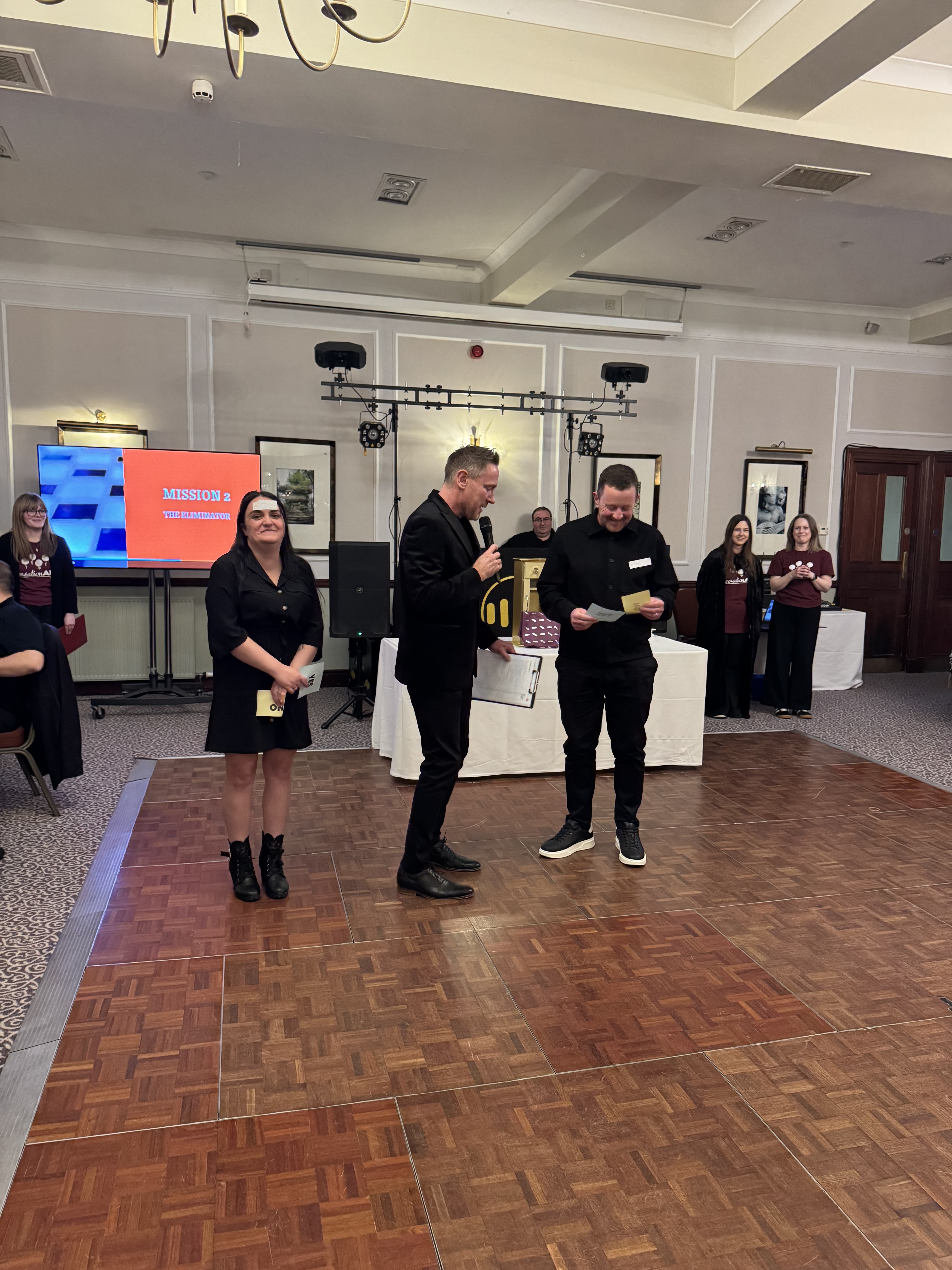
As a charity who receive no statutory funding, we rely entirely on grants, donations, corporate partnerships, and fundraising efforts to keep our services running. Like many charities, we are navigating an increasingly competitive funding landscape, with reduced funding available and rising demand leading to higher rejection rates. 

Our groups are different to mainstream or public recreational activities because we create a safe, welcoming environment where our specially trained staff support attendees so they can: 

  • Recharge and express themselves freely 
  • Build genuine friendships 
  • Reduce loneliness and isolation, reducing mental health risks 
  • Connect with a community of people who accept them as they are 

We carefully match each person to a group that suits their needs. Sessions are designed to help people with sensory processing or emotional issues to build skills that will improve confidence, social interaction and resilience. 

To ensure everyone can thrive we: 

  • Keep group sizes small (an average of 6-8 per session) 
  • Considers the person needs of attendees not just age so we can meet their behavioural and sensory needs  
  • Operate waiting lists to accurately gauge demand for each service and support level 

Sadly, despite our best efforts to grow services, waiting lists are increasing faster than ever before and many are left waiting for support they can’t access anywhere else. 
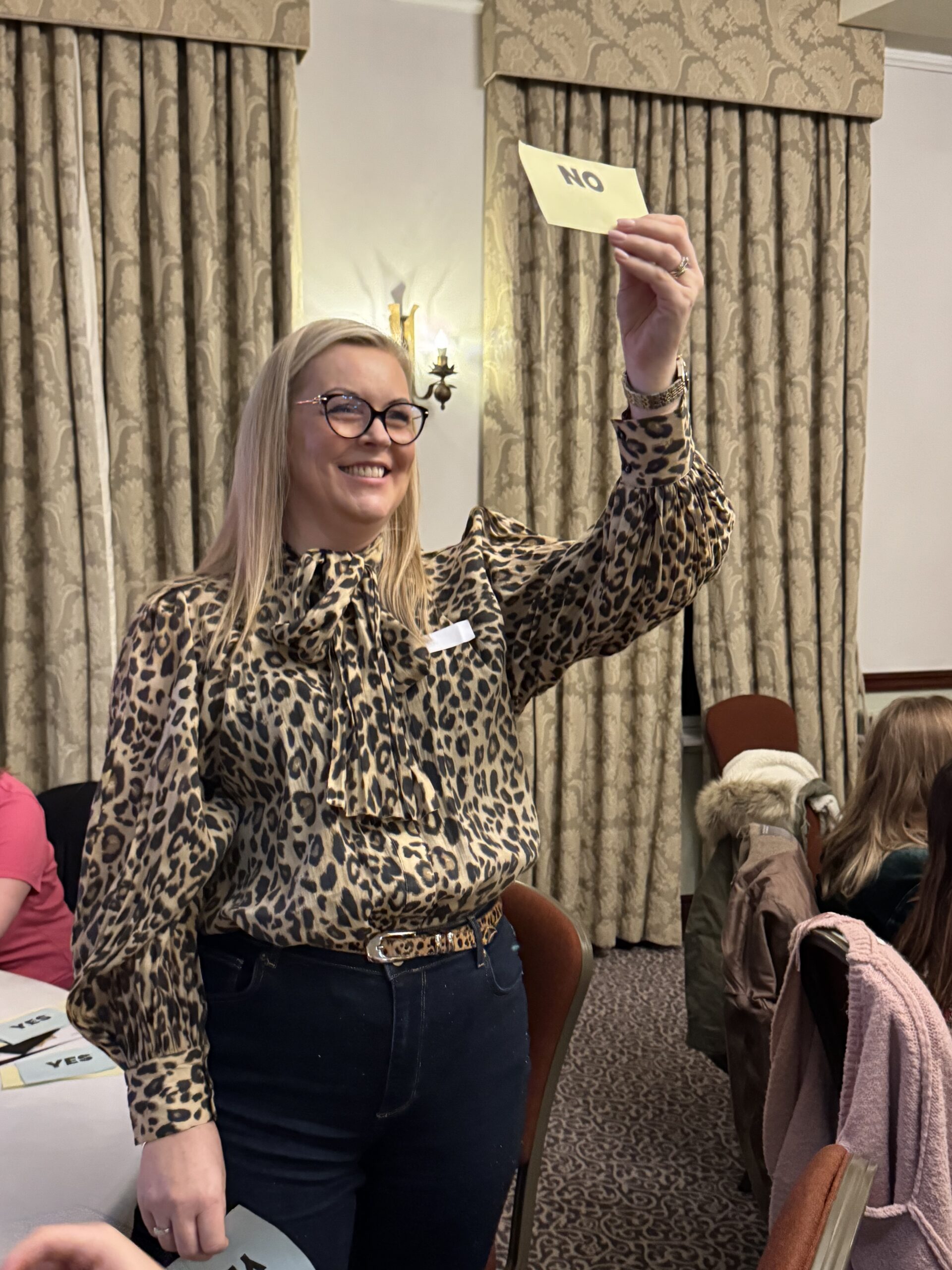
At SensationALL, we believe everyone deserves equal access to meaningful social opportunities. For many, our groups are their only opportunity to make friends and feel a sense of belonging. 

We also support parents and carers, helping them feel informed, confident, and connected. Our families report: 

  • Improved mental health and wellbeing 
  • Stronger family dynamics 
  • Loved ones developing better self-regulation and social skills 

Our approach creates a supportive environment for the whole family, enabling individuals to thrive at every stage of life. 

We are working hard to expand our timetable and create more spaces, but we need your help. The funding climate is tough for all charities, so donations, corporate partnerships, and fundraising support means more than ever!  

Every pound you contribute will enable us to reach more people and provide the vital services our community relies on. 

You can make a difference: 

  • Fundraise for SensationALL – there are so many opportunities coming up, why not do the Kiltwalk for us in 2026?! 
  • Dontate to SensationALL or support our fundraising campaigns 

Together, we can ensure that every neurodivergent individual and their family in the north east has the support they deserve to thrive. 

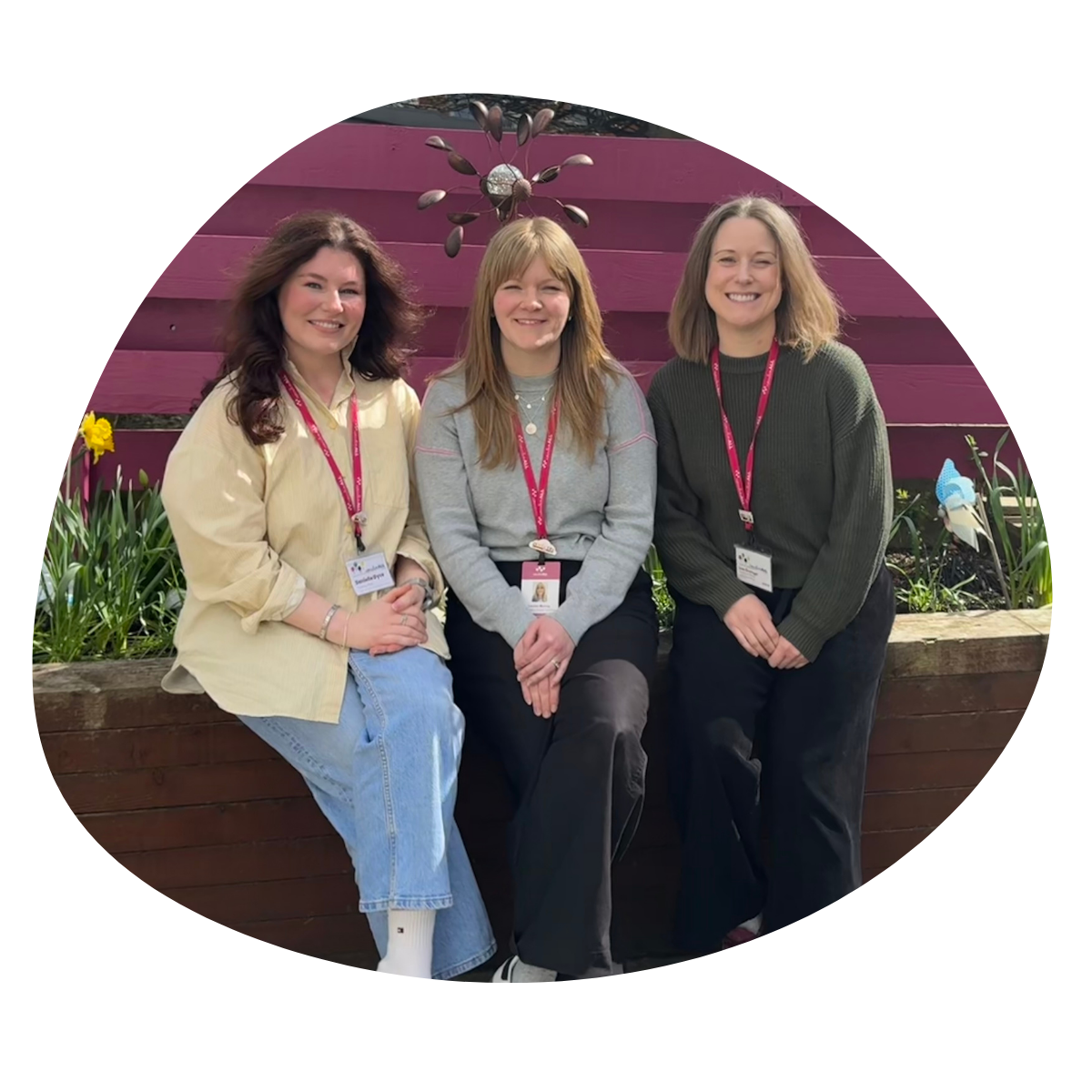
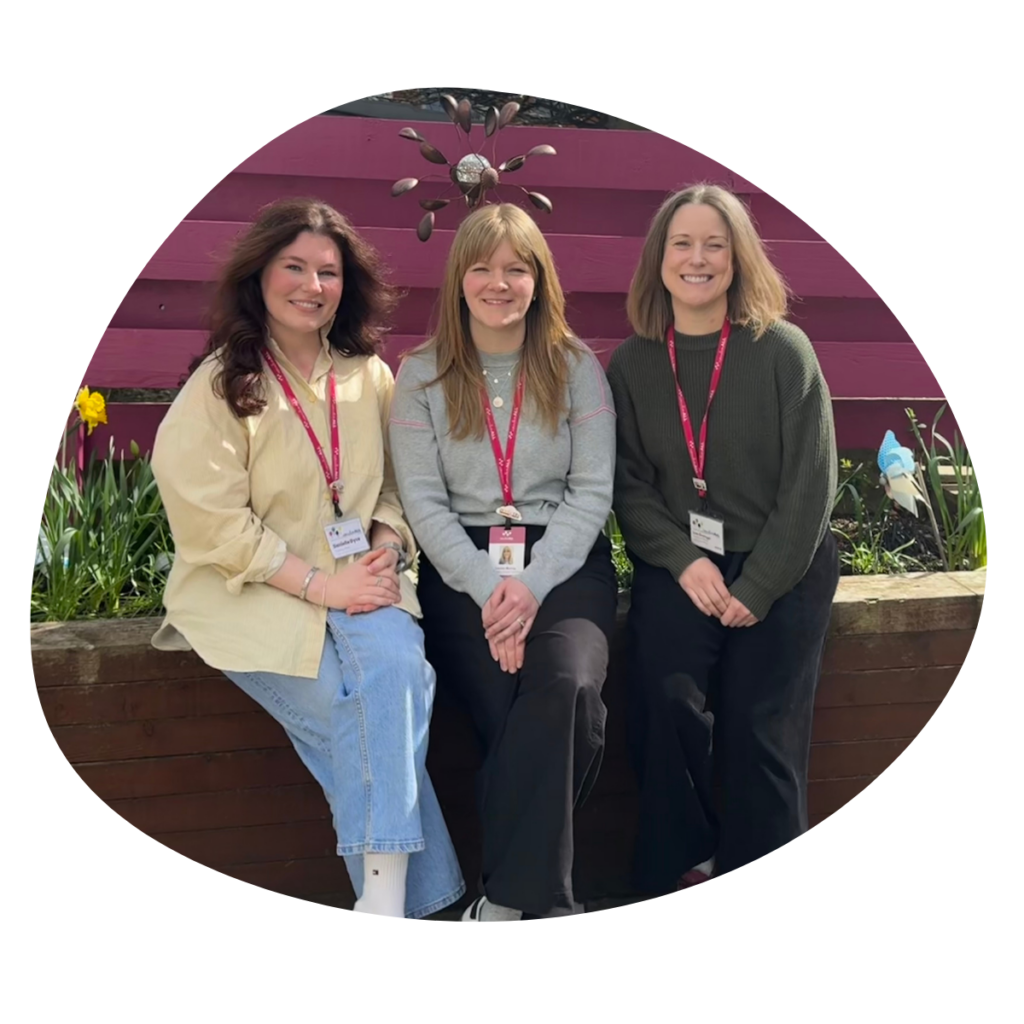
Meet our team!

What’s your role at SensationALL and what does it involve?
I am one of the Service Coordinators, concentrating on training (parents/professionals/employers), Learning Pathways Plus (LPP) sessions for individual neurodivergent schoolchildren, and organising the ‘Tea & Tips’ sessions (1-2-1 chats with a practitioner for parents). I also carry out some of the H&S tasks such as weekly fire alarm testing, fire extinguisher checks, the stocking of First Aid kits, plus building, garden, car park and play park inspections.

What do you like most about SensationALL / what does SensationALL mean to you?
I am in awe of our Service Team – their knowledge and compassion is amazing and when you see them working with our attendees, I just think they are awesome. I work in the Administration office and everyone in there is so kind and helpful, with a great sense of humour.  It’s a pleasure to go into work each day and I am immensely proud of the work that we all do.

How long have you been at SensationALL?
I’ve been here for just over 3 years now.

What’s your favourite sensory activity?
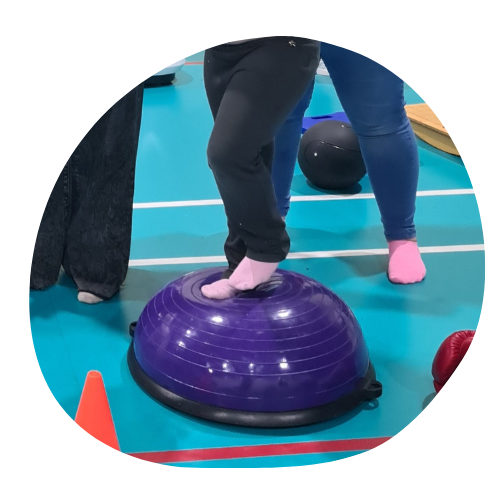
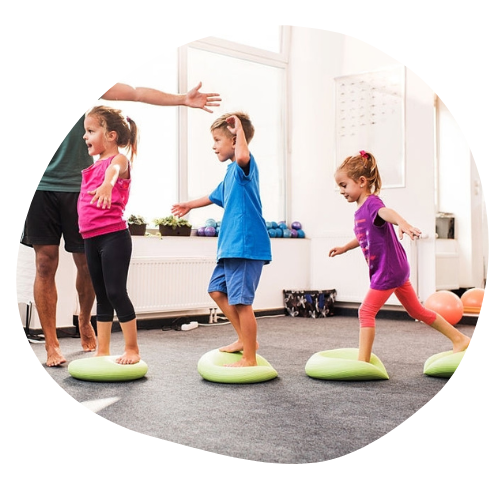
I love the vibration plate!  If I have a couple of minutes whilst boiling the kettle, you’ll probably find me on the machine getting a good shake down!  I also love standing on a Bosu balance ball – it feels like I’m doing some exercise.

A fun fact about yourself!
I am also a Wedding Ceremony Officer, as well as a Match Day First Aider at Pittodrie.  In my spare time, I volunteer with the Scottish Charity Air Ambulance and as a Community Cardiac Responder in Westhill.

What’s your role at SensationALL and what does it involve?
My role consists of being the primary point of contact for our families and finding support and sessions that are beneficial for them. (and a whole bunch of background IT stuff!)

What do you like most about SensationALL / what does SensationALL mean to you?
My favourite thing about SensationALL is seeing how much it helps our service users and their families. It’s the only place I’ve ever worked where it feels like I really make a difference.

How long have you been at SensationALL?
Almost three years! I started back in May 2023 with way less grey hair!

What’s your favourite sensory activity?
Baking! Especially anything involving chocolate!

A fun fact about yourself!
I recently got into running and my first ever competitive race was Edinburgh marathon last year! I then did Tough Mudder two weeks after and 4 other races before the end of 2025. 


What’s your role at SensationALL and what does it involve?
My role as Service Team Lead bridges service demand, design, and delivery with operations and HR. I collaborate with the operations team, session coordinators, and Clinical Team Lead to schedule and deliver services, recruit and allocate staff, lead our team of practitioners and youth workers, manage appraisals and training needs, as well as have fun in some sessions too!

What do you like most about SensationALL?
The shared passion within the team for supporting neurodivergent individuals, their families, carers, and the wider community. The genuine, authentic care shown by the team drives our work and ensures that a needs-led, person-centred approach remains at the heart of everything we do. I feel proud to work for a charity that retains such a strong sense of purpose and fosters an environment built on inclusion, understanding, and lived experience.

How long have you been at SensationALL?
I have been at SensationALL for over 3 years now, starting in a Youth Worker position in 2022, and becoming Service Team Lead in 2023. 

What’s your favourite sensory activity?
My favourite sensory activities are movement-based. I especially enjoy using the balance boards and vibration plates, as well as active games in the soft play room, particularly hide and seek or grounders. I also love making slime!

What do you like most about SensationALL / what does SensationALL mean to you?
What I love most about SensationALL is the deep respect for every child and adult as an individual. SensationALL means safety, understanding, and possibility to me. It’s a place where differences are welcomed, nervous systems are honoured, and children are supported to thrive in ways that feel right for them.

How long have you been at SensationALL?
I’ve been part of SensationALL for 8 years.

What’s your favourite sensory activity?
My favourite sensory activity is anything involving deep pressure or heavy work. It’s grounding, regulating, and such a powerful way to help children feel safe and settled in their bodies.

Understanding your senses – hearing

For some people, sound feels calming and grounding. For others, it can feel confusing, distracting, or overwhelming. This guide gives you an easy way to understand what you, or your child, might be experiencing, and how to find calm, connection, and comfort at home.

Auditory processing is the brain’s ability to:

  • notice sound
  • filter out background noise
  • understand speech
  • tell where sound is coming from
  • use rhythm and tone
  • stay regulated in noisy spaces

When this system works smoothly, people feel settled, focused, and ready to learn or play. When it struggles, their behaviours will often show this.

When we hear sound, it goes straight to the part of the brain that decides “I’m safe” or “I’m not safe.”

For sensitive nervous systems, this can mean:

  • small sounds can feel huge
  • sudden noise can trigger fear
  • silence feels calming
  • loud, rhythmic sound can feel grounding
  • music helps regulate emotion
  • predictable sound feels safe

There are two common ways in which people can respond to sound: over-responsive and under-responsive. They can be seen in children, teens and adults.

Over-responsive is when sound can feel too much. This happens in children, teens and adults. You might notice:

  • Hands over ears
  • Avoids noisy places
  • Gets upset with sudden sounds
  • Startles easily
  • Prefers quiet and calm
  • Meltdowns or anxiety which is triggered by noise
  • Noise-reducing headphones
  • Reduce background noise
  • Warn them before any loud sounds
  • Speak slowly with fewer words
  • Create a quiet corner at home
  • Use soft rhythmic music

Under-responsive is when sound does not register strongly enough.

  • Doesn’t respond to their name right away
  • Needs instructions to be repeated
  • Turns music up loud
  • Seeks noise (hums, taps, bangs)
  • Enjoys busy, loud environments
  • Struggles to focus without sound
  • Use songs and rhythms for routines
  • Add movement and sound together (clap, drum, stomp)
  • Clear, short instructions
  • Listening games
  • Musical toys or instruments
  • Use a sound to cue to get attention

Supporting the auditory system isn’t about forcing tolerance. It’s about helping the nervous system feel safe, steady, and understood!

Keep up to date with the latest SensationALL Self-Regulation Strategies on our socials!

Meet our team!

Regulate with floor time

For many neurodivergent people, the floor is a powerful regulation tool. Floor time isn’t about getting in the way, making a mess or being lazy… it is about the nervous system feeling safe, grounded and supported.

Before you can focus, listen, learn, or communicate your nervous system needs to feel settled.

Neurodivergent nervous systems often process sensory information differently.

Sitting upright on a chair, staying still, or holding a particular posture can take a huge amount of effort, leaving less energy for learning or emotional regulation.

There is a scientific basis to support the use of floor time:

1. Proprioception: Feeling grounded and secure

Proprioception is the sense that tells us where our body is in space. When you sit or lie on the floor, you receive:

  • Firm contact through the legs, hips, and spine
  • Gentle pressure through muscles and joints
  • Clear feedback about where your body is
  • Input that helps the brain feel safe and organised.

The floor gives the body more information, more sensory feedback, and more support, which helps the brain relax.

So ultimately, being on the floor can reduce anxiety, support emotional regulation, and make it easier to concentrate.

2. Vestibular input: Balance without overwhelm

The vestibular system helps with balance, movement, and alertness. Floor positions naturally allow:

  • Shifting weight
  • Rocking gently
  • Changing positions easily
  • Crossing the midline

The movement helps you stay regulated without becoming over-stimulated, supporting focus without tipping into restlessness.

3. Tactile input: Predictable, calming touch

Putting it simply, the floor is solid. It provides steady and predicable touch.

So unlike light or unexpected touch, which can feel overwhelming for some people, contact with the floor is consistently reliable which can be calming.

You can change your body position to respond to the needs of your nervous system by alternating between the floor and seats in line with your mood.

For many, the floor acts like an anchor, helping you stay connected to your body and the moment.

Being close to the ground can:

  • Slow down breathing
  • Reduce emotional overwhelm
  • Improve body awareness
  • Support people who dissociate or shut down
  • Help people feel present and calm

Plus, anything can be done on the floor! For both adults and children the floor can be multi-functional – learning doesn’t have to stop because you are on the floor.

  • Read or write lying on your tummy
  • Build, sort, and play sitting on a rug
  • Talk through feelings leaning on cushions
  • Do homework while sprawled out comfortably
  • Do some stretches or yoga on a mat

Avoid using negative language when someone is using the floor. Comments like “Sit properly” or “Get up off the floor” can be upsetting and lead to increased dysregulation.

Instead try supportive phrases like:

  • “Would the floor feel better?”
  • “Let’s take this down to the ground.”
  • “What does your body need right now?”

Keep up to date with the latest SensationALL Self-Regulation Strategies on our socials!

Breathing Games

Deep, slow breathing stimulates the vagus nerve, one of the main connections between brain and body, which helps to shift the body from “fight/flight” into a calmer “rest/digest” state. It doesn’t matter what the breath is – it’s about breathing with purpose!

Breathing Games use imagination, movement, and fun to make breathing accessible and enjoyable. Instead of asking a child to “take a deep breath” (which can feel a bit abstract or pressured), we bring it into play to encourage curiosity and connection.

Breathing games are a great way of supporting emotional regulation, especially among children. They:

  • help to regulate the nervous system
  • encourage self-awareness
  • help to develop self-regulating skills
  • support emotional safety, by removing pressure and finding fun
  • encourage co-regulation where adults can model calm and connection
  • Creates a feeling of calm, moving the body out of “flight or flight” mode.
  • Accessible anywhere – we can use these games in almost any environment and they require no equipment.
  • Builds self-esteem and control by giving children a concrete tool to manage big feelings.
  • Encourages conscious reflection of body signals like heart rate and muscle tension.
  • Keep the instructions obvious and clear – “breath deeply” doesn’t work for many children!
  • Keep it short and playful – 30 seconds to two minutes for younger children
  • Use all the senses – this might mean using pictures, objects, music, story-telling or movement
  • Make it a routine – breathing can become a familiar tool, not just an emergency skill

Why not try some of our games at home or when you are out and about! We have different games for different ages – check them out here:

Keep up to date with the latest SensationALL Self-Regulation Strategies on our socials!

Snow day regulation tips

When snow falls, everything slows as schools and businesses close and routines change.

For most people snow days are exciting – getting all bundled up to enjoy a winter wonderland. However, for many neurodivergent people, the disruption can be upsetting and stressful and the extra winter clothes can present sensory challenges. But did you realise that snow play is incredible for the nervous system resulting in calmer bodies and more settled emotions, when it’s done with a little intention.

Our SensationALL team have put together some ideas on how to turn your snow days into a fun, positive experience!

Firstly, cold air can also increase alertness, while repetitive or exaggerated movements (like walking through snow) helps organise thoughts and emotions.

Snow activities can provide our brains and bodies with big movement, deep pressure, and rhythm which sends reassuring signals to the brain that say, “I know where my body is. I’m safe. I can settle.” So, that’s why you might feel more regulated after outdoor play, even if things feel wild in the moment.

The rolling, packing and lifting of snow into place all count as “heavy work”. This kind of movement helps release excess energy and feel more grounded in your body.

You might notice:

  • Better emotional regulation
  • Less fidgeting
  • A calmer transition back indoors

Tip: Encourage slow pushing and rolling rather than rushing. Adding pauses to “admire the snowman” can help the body reset. Use a spade or shovel if you don’t like touching the snow (or wearing gloves!).

Sledging gives gentle, linear movement that helps you feel balanced and settled.

To keep it regulating rather than overwhelming:

  • Take turns, don’t race
  • Walk back up the hill slowly
  • Admire the view – what can you see on the way down
  • Pause between rides to catch breath and notice the cold air

If you become dizzy or overly excitable, that’s the body asking for a break.

Snow angels involve both sides of the body moving together, which helps the brain integrate and calm so is like a natural reset button. They’re especially helpful after lots of high-energy play.

Try counting slow angel “wings” together or taking deep breaths while lying in the snow. It often brings a noticeable shift from excitement to calm.

If you seem calmer, more focused, or more emotionally settled after playing in the snow, that’s not a coincidence. The body has done exactly what it needed to do but pace yourself…

Break the day down into cycles of gentle and high energy activities to ensure a balance. You don’t need a strict plan but try alternate slow and fast paced activities like:

  • Big movement (sledging or building in the snow)
  • Still moment (look at the sights and sounds of the winter landscape. Listen to your breathing, notice how the cold feels)
  • Repeat the cycle

This rhythm helps you enjoy the excitement without tipping into overwhelm and encourages you to be present in sensory experience.

Snow play is powerful sensory input, but often we need help landing afterwards. Try doing this with:

  • A warm drink
  • Dry clothes with gentle pressure (cozy jumpers, weighted blankets)
  • A quiet activity like drawing or reading

Calm activities tell the nervous system it’s safe to rest.

Touch – If you find touching the snow unpleasant then use a spade or bucket to minimise the chance of getting wet gloves. For children, try using baking or play doh moulds/cutters to make shapes. Maybe making a small snow animal is more achievable than a full snowperson!

Clothes – hate hats and gloves? Padded winter coats too restricting? Are wellies a no-go?! Look for alternative options – maybe multiple thinner layers will be more comfortable; perhaps long sleeves could be pulled over your hands; or limit the time outside if you are wearing less than ideal coats.

Snow days don’t have to be a disruption. They’re an invitation to let you regulate in the most natural way possible: through movement, cold air, and play.

Keep up to date with the latest SensationALL Self-Regulation Strategies on our socials!

Visual timetables

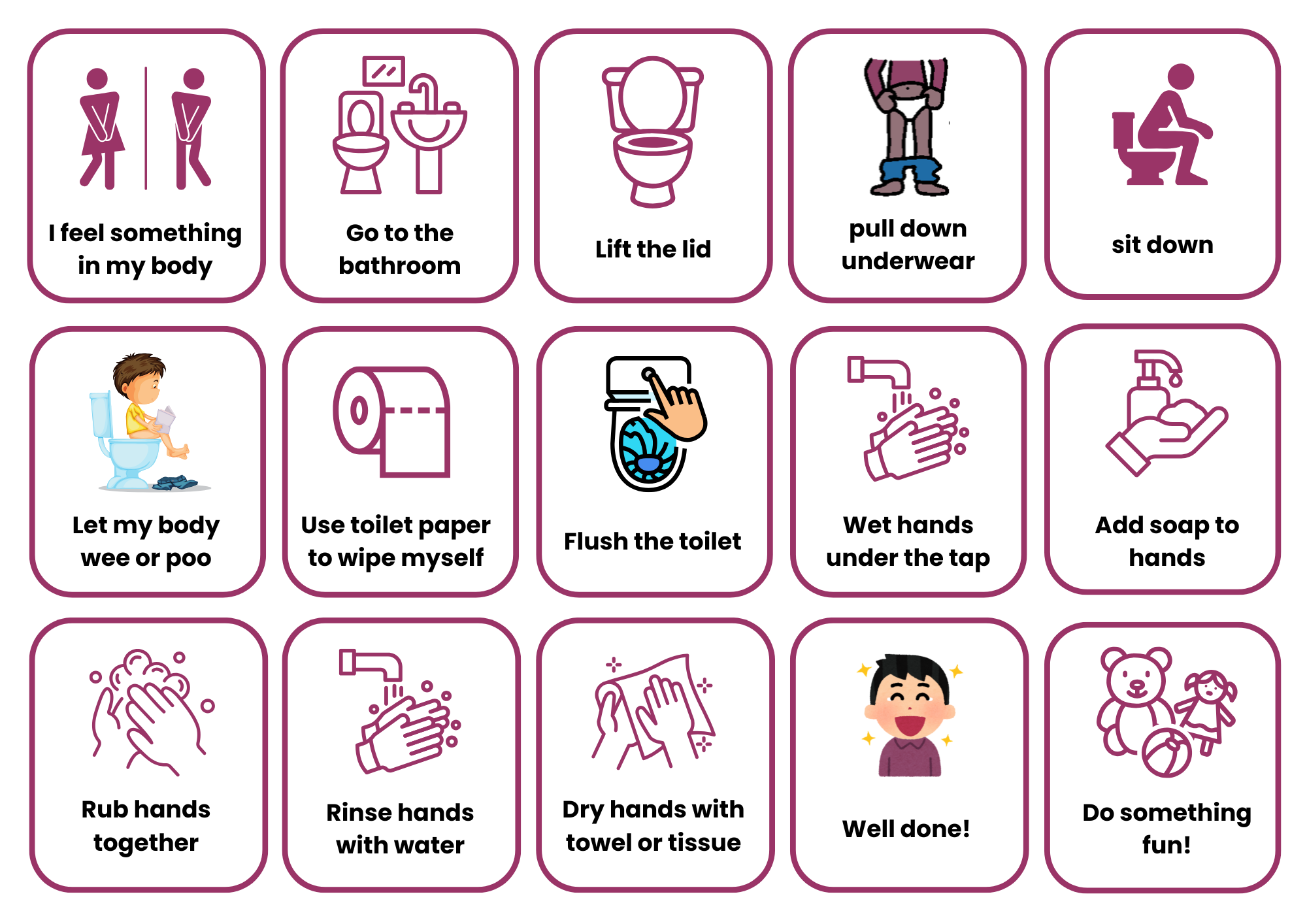
Many neurodivergent people need structure and routine to feel calm and comfortable. In our sessions, we use visual timetables and ‘now, next’ boards to help our attendees understand the plan for the day. This can also help prepare for transitions and changes in activities or tasks.

A visual timetable can be in various different formats but it is always a clear, visual sequence using pictures, symbols, words, or even objects to show what is happening and in what order.

At home you can use a visual timetable for a daily plan, an activity schedule, or even a whole week. This is particularly useful at times when routine changes like during holidays or special events.

Transitions and unpredictability can feel overwhelming, especially for neurodivergent people. A visual timetable will:

  • reduce anxiety
  • increase predictability
  • aids communication
  • encourages independence
  • creates consistency

By making time visible, we help people feel safer, more in control, and better able to participate in meaningful activities.

  • Helps executive function by reducing cognitive load. By presenting clear sequencing you can improve focus.
  • Supports attention & memory because visual cues free-up brain space.
  • Helps people feel in control – as you can check what’s happening next instead of relying on other people to tell you.
  • Improves family communications – everyone can see what’s on the schedule if it is on display.
  • Eases transitions – fewer meltdowns and quicker adjustments between tasks.

You can incorporate visual timetables into every day life or just for specific situations like holidays and events.

Here are some downloadable visuals you can use to create your own timetables:

Keep up to date with the latest SensationALL Self-Regulation Strategies on our socials!

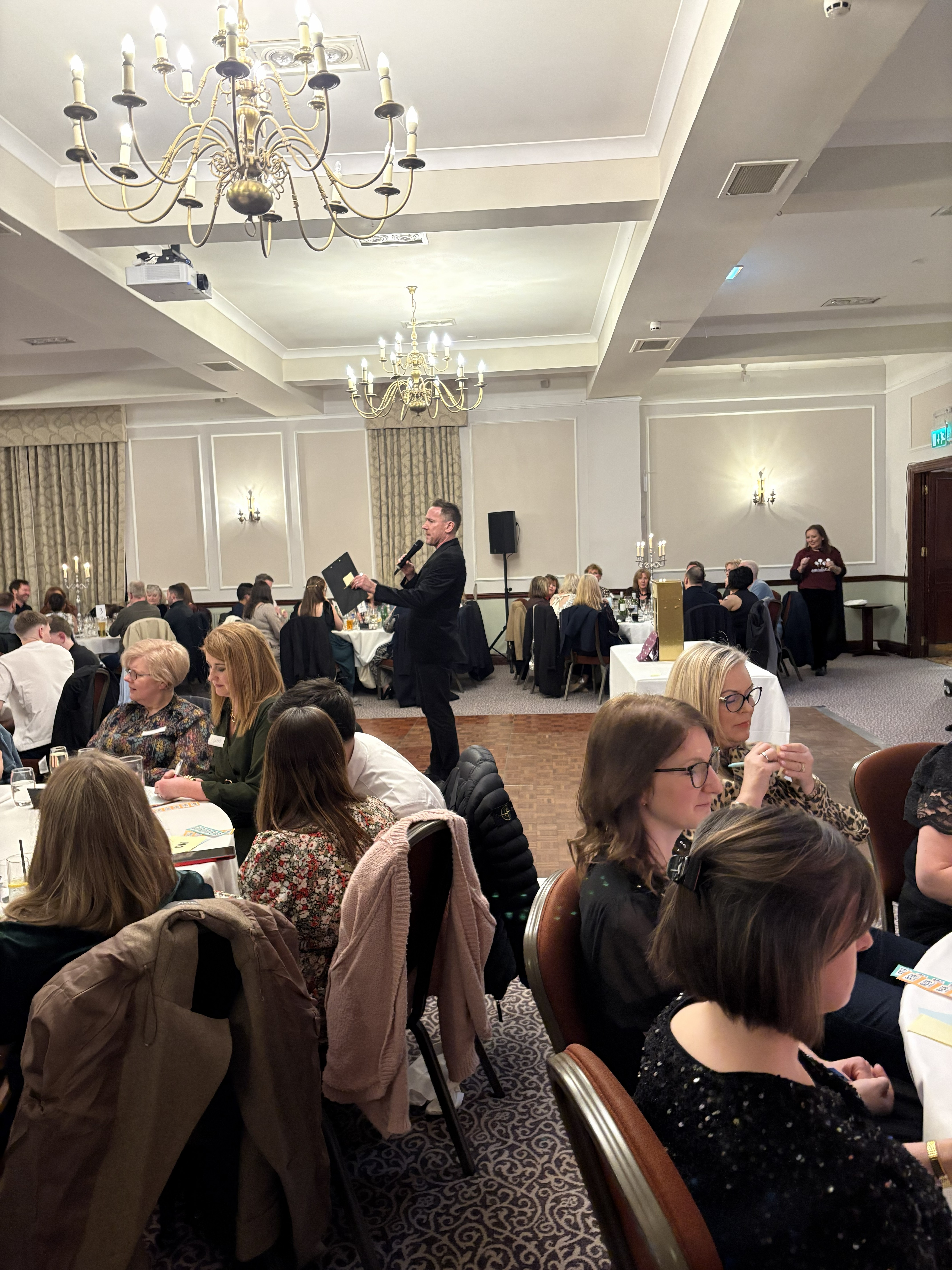
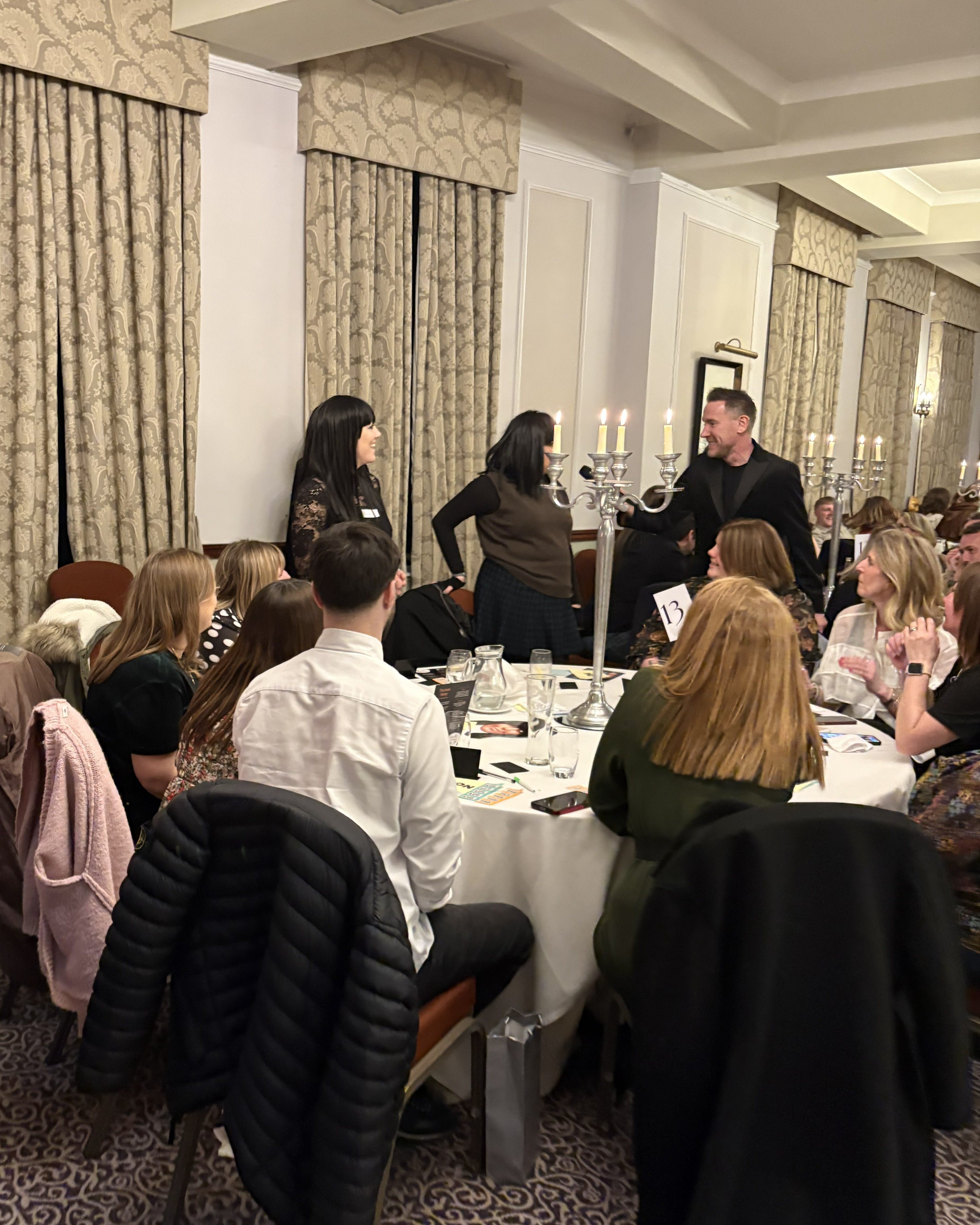
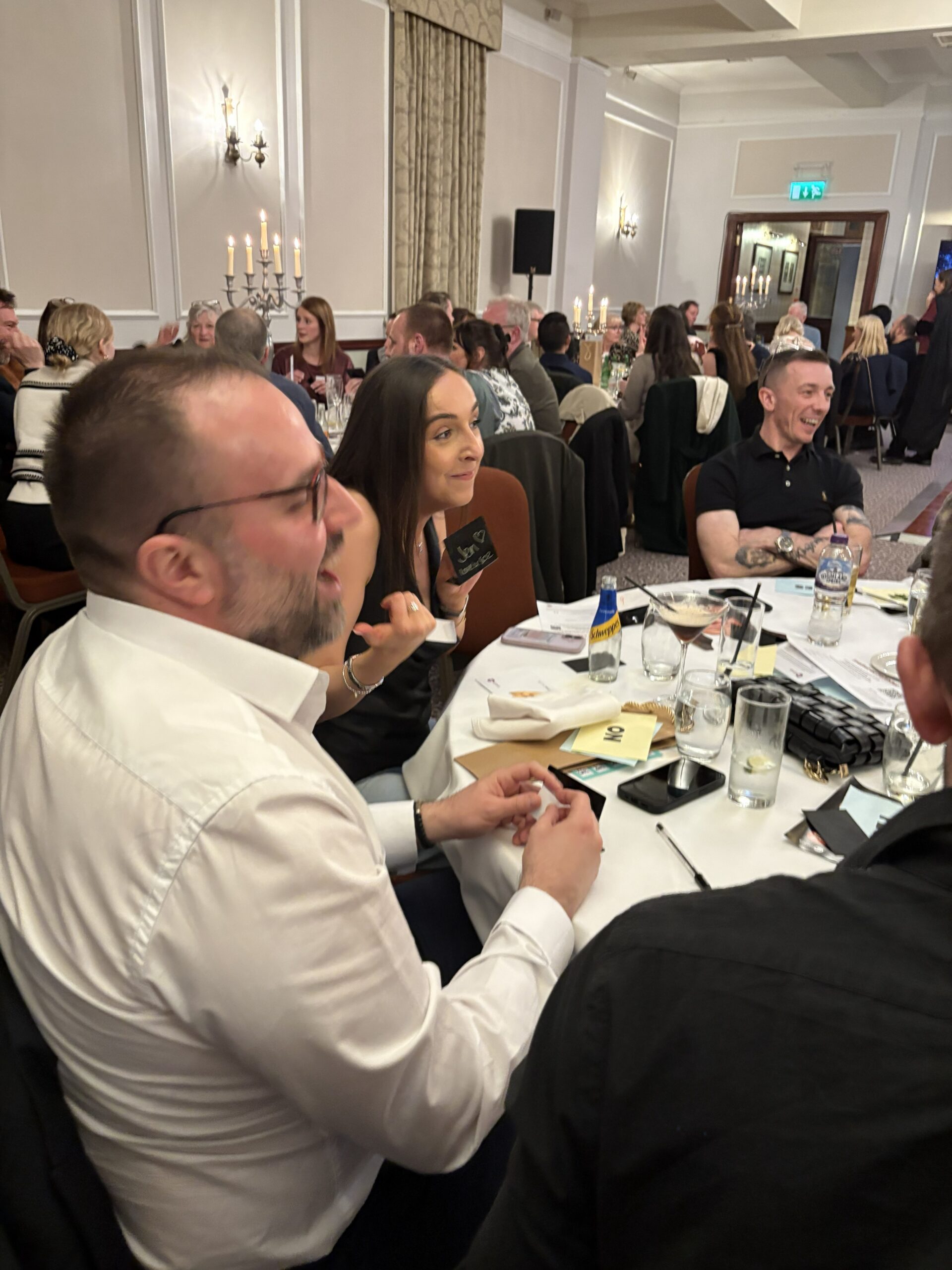
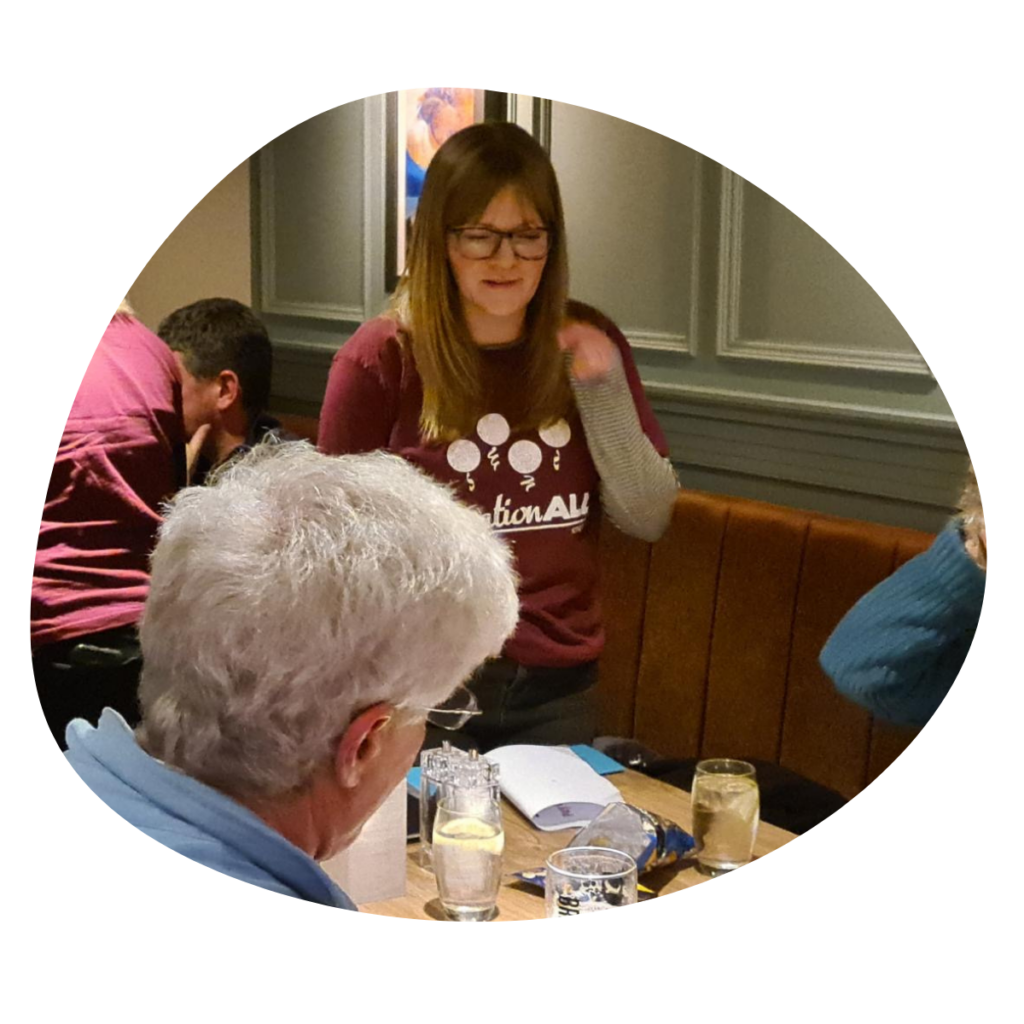
Test your trivia knowledge! Our fun quizzes include a wide variety of topics and maybe even a few cryptic questions or a picture round to keep you on your toes!

The next date will be announced soon!

The Broadstraik Inn, Westhill.

Gather your team (max 4 people per team):

  • £10 entry per person
  • 7pm quiz starts
  • Prize for highest scoring team

Plus, raffles and fundraising games for SensationALL.

Reserve your team by emailing events@sensationall.org.uk